


Updating Electrical Wiring in Older Sacramento Homes
Many homes across Sacramento were built long before today’s electrical demands existed. While the wiring in those homes may still technically work, it was often installed decades ago when homes used far fewer appliances and electronics. Older electrical systems weren’t designed to handle things like modern kitchens, large HVAC systems, home offices, electric vehicles, and the number of electronics most households use today. Over time, wiring insulation can also deteriorate and circuits can become overloaded as new equipment is added to the home.
Whole house rewiring replaces outdated wiring and updates the electrical circuits so the system can safely power modern appliances and equipment. New wiring improves reliability throughout the home, reduces electrical problems caused by aging wiring, and helps bring the electrical system up to current safety standards. For many homeowners in Sacramento’s older neighborhoods, rewiring is one of the most important upgrades that can be made to the electrical system. It prepares the home for modern electrical use while improving safety and long-term reliability.
Warning Signs Your Home May Need Electrical Rewiring
Electrical wiring problems often appear gradually. Many homeowners begin noticing small issues before realizing the wiring system may need to be upgraded.
Two-Prong Electrical Outlets
Homes built many years ago often still have two-prong outlets that lack grounding. These outlets were common when the home was originally built, but they are not designed for many of the electronics and appliances used today. Grounded outlets provide an additional level of electrical safety and are standard in modern electrical systems.
Frequent Breaker Trips or Overloaded Circuits
If breakers trip frequently when appliances are used, it may indicate the electrical circuits are overloaded. Older homes were typically wired with far fewer circuits than modern homes, and those circuits may now be carrying more electrical demand than they were designed for.
Flickering Lights or Inconsistent Power
Lights that flicker or dim when appliances turn on can indicate wiring problems or overloaded circuits within the electrical system. These issues are often more noticeable in homes with aging wiring systems.
Outdated or Aging Electrical Wiring
Electrical wiring can deteriorate over time. Insulation may become brittle or worn, and older wiring materials may no longer meet modern electrical standards. Replacing aging wiring helps improve reliability and safety throughout the home.
Renovating or Updating an Older Home
Many Sacramento homeowners choose to upgrade wiring when remodeling older homes. Rewiring during renovations makes it easier to add new circuits, install modern outlets, and ensure the electrical system can support updated appliances and lighting.
Common Electrical Wiring Problems Found in Sacramento Homes
Because many neighborhoods in Sacramento were developed decades ago, electricians frequently encounter older wiring systems that were common at the time but are no longer ideal for modern electrical use.

Knob and Tube Wiring
Knob and tube wiring was commonly installed in homes built before the 1950s. While it was standard for its time, it does not include grounding and was never intended to handle the electrical load of modern homes. Many homeowners choose to replace knob and tube wiring when upgrading the electrical system.

Aluminum Branch Wiring
Some homes built in the 1960s and 1970s used aluminum branch wiring instead of copper. Aluminum wiring can develop connection issues over time and may require replacement or specialized repairs to improve reliability.

Too Few Circuits for Modern Electrical Demand
Older homes often have far fewer circuits than modern electrical systems. Kitchens, laundry rooms, and living spaces now require multiple circuits to safely power appliances, lighting, and electronics. Rewiring allows new circuits to be added so electrical loads are distributed more safely throughout the home.
What Is Included in a Whole House Rewire
A whole house rewire involves replacing outdated wiring and updating the electrical system so it can safely support modern electrical demand. The exact scope of the work depends on the age of the home and the condition of the existing wiring.
Replacing Outdated Electrical Wiring
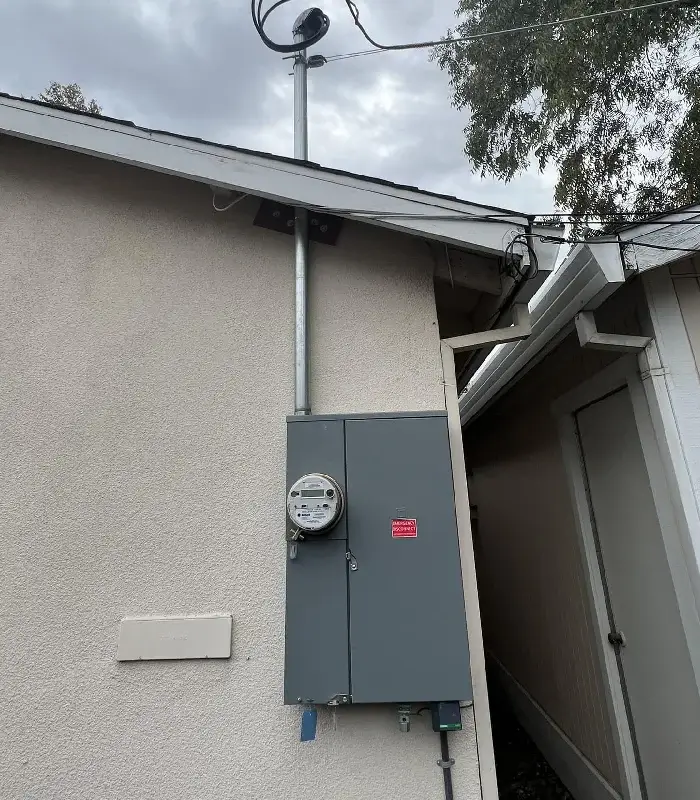
Old wiring throughout the home is replaced with modern copper wiring that meets current electrical standards. This new wiring provides safer and more reliable electrical connections for appliances, outlets, and lighting circuits.
Installing Modern Outlets and Switches
During a rewiring project, outlets and switches are often replaced or relocated to better match the way the home is used. Grounded outlets and modern switches help improve safety and convenience.
Updating Electrical Circuits
New circuits are installed so electrical loads are distributed more evenly throughout the home. This helps prevent overloaded circuits and allows appliances and electronics to operate reliably.
Connecting the System to a Modern Electrical Panel
Many rewiring projects also involve connecting the updated wiring to a modern electrical panel. In some homes, the panel may also be upgraded so the system has enough capacity for additional circuits and future electrical needs.
How Whole House Rewiring Works
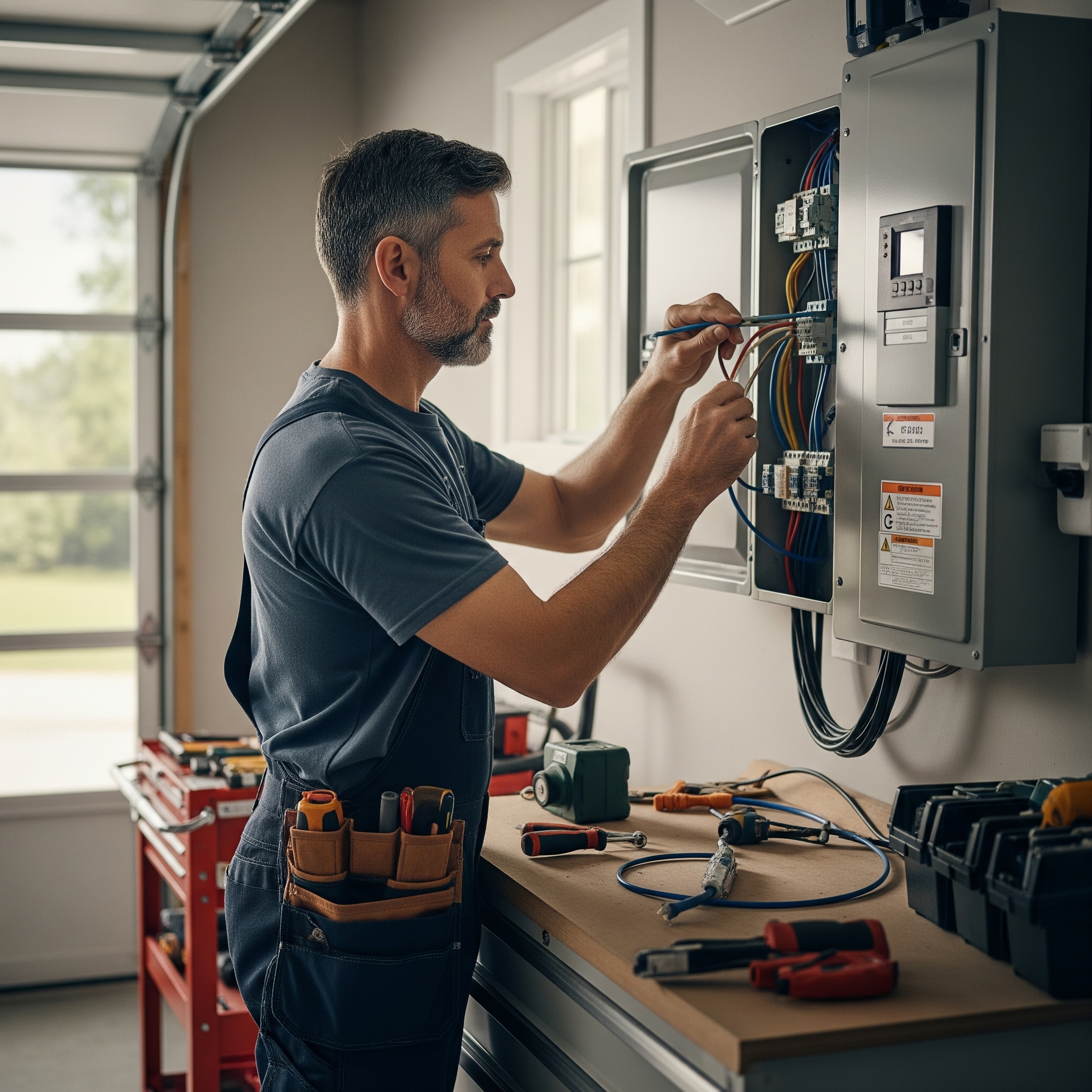
Rewiring a home is a major electrical upgrade, but the process is straightforward when it’s planned properly. The goal is to replace outdated wiring, add the circuits modern homes need, and make sure the entire electrical system operates safely. Every home is different, especially older homes in Sacramento, so the first step is always understanding the condition of the existing wiring before any work begins.

Step 1: Inspect the Existing Electrical Wiring
The first step is evaluating the current wiring system throughout the home. This includes looking at the type of wiring used, the condition of the insulation, and how the circuits are distributed through the house. Older homes may have knob and tube wiring, aluminum wiring, or circuits that have been modified over time.
During the inspection we identify any safety concerns and determine which wiring needs to be replaced. This helps create a clear plan for updating the system.

Step 2: Plan the Electrical Circuit Layout
Once the condition of the existing wiring is understood, the next step is planning the new electrical layout. Modern homes require more circuits than older homes, especially in areas like kitchens, laundry rooms, garages, and living spaces with electronics.
We determine where outlets, switches, and lighting circuits should be placed and how the circuits will connect back to the electrical panel. Proper circuit planning ensures the electrical load is distributed safely throughout the home.

Step 3: Replace Wiring Throughout the Home
After the layout is finalized, outdated wiring is removed or disconnected and replaced with new wiring that meets current electrical standards. New wiring is routed through walls, ceilings, and attic spaces so outlets, switches, and fixtures are properly connected.
Modern copper wiring is designed to safely carry electrical loads and provide reliable power to appliances, lighting, and electronics throughout the home.

Step 4: Test Circuits and Verify Safe Operation
Once the rewiring work is complete, the circuits are tested to make sure everything is functioning properly. Breakers, outlets, and switches are checked to confirm the electrical system is operating safely and reliably.
Testing ensures the new wiring is properly connected, circuits are balanced correctly, and the electrical system is ready for everyday use.
Whole House Rewiring Service Areas
TNT Electric Co. provides electrical rewiring services for homes throughout the Sacramento region. Many homes in the area were built decades ago and may benefit from updated wiring that supports modern electrical demand.
Sacramento
We provide whole house rewiring for homes throughout Sacramento, helping homeowners upgrade outdated wiring systems and improve electrical reliability.
Citrus Heights
Many homes in Citrus Heights were built years ago with older wiring systems. Rewiring can improve electrical safety and support modern appliances and equipment.
Roseville
Roseville homeowners often upgrade wiring when remodeling older homes or expanding their electrical systems.
Fair Oaks
Older homes in Fair Oaks frequently benefit from updated wiring that provides improved circuit capacity and reliability.
Carmichael
Whole house rewiring services are available for Carmichael homeowners looking to modernize their electrical systems.
Orangevale
We provide electrical rewiring and circuit upgrades for homes throughout Orangevale and surrounding communities.
Schedule Whole House Rewiring in Sacramento
If your home has outdated wiring or you’re planning to renovate an older property, upgrading the wiring may be necessary to ensure the electrical system is safe and dependable. Modern wiring allows the home to support today’s electrical demand while improving overall reliability.
TNT Electric Co. provides whole house rewiring services for homeowners throughout Sacramento and nearby communities. Our electricians evaluate the existing wiring system, upgrade circuits where needed, and install modern wiring designed to safely power today’s homes. If you’re considering rewiring your home, we can inspect the electrical system and explain the best options for updating it.
Whole House Rewiring FAQs
How much does it cost to rewire a house in Sacramento?
The cost of rewiring a house depends on the size of the home, the accessibility of the wiring, and the condition of the existing electrical system. Homes with older wiring systems or limited attic and wall access may require more work than homes where wiring is easier to reach. The number of new circuits being installed can also affect the scope of the project. The best way to determine the cost is to inspect the home’s wiring and electrical panel to understand what needs to be replaced or upgraded.
How do I know if my house needs to be rewired?
There are several signs that may indicate a home needs rewiring. Homes with two-prong outlets, frequent breaker trips, flickering lights, or outdated wiring systems may benefit from electrical upgrades. In many cases, homeowners discover wiring issues when renovating older homes or upgrading appliances. An electrician can inspect the wiring and determine whether a full rewire or targeted wiring upgrades are needed.
Can a house be rewired without removing drywall?
In many cases, electricians can run new wiring through attic spaces, crawl spaces, or wall cavities without removing large sections of drywall. Small access points may still be required to route wiring and install new outlets or switches. The exact approach depends on the construction of the home and how accessible the existing wiring is.
How long does a whole house rewire take?
The timeline for rewiring a home depends on the size of the house and the complexity of the electrical system. Smaller homes may take a few days, while larger homes or homes with difficult access may take longer. If the electrical panel also needs to be upgraded, that work may be completed as part of the project.
Is knob and tube wiring dangerous?
Knob and tube wiring was commonly installed in homes built before the 1950s. While it functioned properly when originally installed, it does not include grounding and was not designed for modern electrical loads. Many homeowners choose to replace knob and tube wiring when upgrading the electrical system or remodeling older homes.
Should aluminum wiring be replaced?
Some homes built in the 1960s and 1970s used aluminum branch wiring. Aluminum wiring can develop loose connections over time because the metal expands and contracts differently than copper. In some cases aluminum wiring can be repaired with specialized connectors, but many homeowners choose to replace it with copper wiring during electrical upgrades.
Do I need to upgrade the electrical panel when rewiring a home?
Not always, but it is common for rewiring projects to include an electrical panel upgrade. Older panels may not have enough space for the additional circuits required in modern homes. Upgrading the panel at the same time as rewiring ensures the electrical system can safely support the new wiring and circuits.
Can I live in my house during a rewiring project?
In many cases homeowners can remain in the home while electrical work is being completed, although certain areas may be temporarily without power while circuits are upgraded. For large rewiring projects, electricians may complete the work in phases so different areas of the home can remain operational.
Is rewiring an older home worth it?
For many homeowners, rewiring an older home improves both safety and reliability. Modern wiring systems provide proper grounding, additional circuits, and the capacity needed to support today’s appliances and electrical equipment. Rewiring can also make future electrical upgrades easier, such as installing EV chargers, upgrading lighting, or adding new appliances.
Ready to remodel?
Contact TNT Electric Co. for a free estimate and let’s power up your dream home!


