


Subpanel Installation for Sacramento Homes
A subpanel allows homeowners to expand their electrical system without replacing the main electrical panel. Instead of trying to add more circuits to a panel that is already full, a subpanel creates a secondary distribution point for electricity in another area of the home or property. This allows additional circuits to be installed while keeping the electrical system organized and properly balanced.
Subpanels are commonly used when power needs to be extended to areas like garages, workshops, home additions, or accessory dwelling units. An electrician installs a feeder circuit from the main panel to the subpanel, which then distributes electricity to new circuits in that area. This setup makes it possible to power lighting, outlets, appliances, and equipment without overcrowding the main electrical panel.
In many Sacramento homes, a subpanel is the most practical solution when electrical demand increases. Homes that were built decades ago were not designed to support the number of appliances, tools, and electronics used today. Installing a subpanel provides additional capacity and helps ensure that electricity is distributed safely throughout the property.
When a Subpanel Is Needed in a Home
Subpanels are often installed when homeowners need additional circuits or when electrical power needs to be supplied to a separate area of the property. Rather than expanding the main panel or running long circuits across the house, installing a subpanel allows power to be distributed more efficiently.
Adding Circuits to a Garage or Workshop
Garages and workshops frequently require more electrical capacity than standard household circuits can provide. Power tools, air compressors, and specialized equipment can quickly exceed the capacity of existing circuits. Installing a subpanel allows multiple dedicated circuits to be added so tools and equipment can operate safely.
Powering an ADU or Detached Structure
Accessory dwelling units, detached garages, and backyard structures often require their own electrical distribution. A subpanel allows electricity to be routed from the main house to the separate structure, where circuits can then supply lighting, outlets, and appliances.
Electrical Expansion During Renovations
Home renovations often include adding lighting, outlets, or new appliances that increase the electrical demand of the property. Installing a subpanel can simplify the process by creating space for additional circuits without overloading the main electrical panel.
When the Main Electrical Panel Is Full
Many electrical panels have limited space for breakers. When the panel is full and new circuits are required, installing a subpanel provides additional breaker space and helps expand the electrical system without replacing the main panel.
Benefits of Installing a Subpanel
Installing a subpanel offers several advantages when expanding a home’s electrical system. It allows electricity to be distributed more efficiently and helps organize circuits in areas that require additional power.

Additional Circuit Capacity
A subpanel provides space for additional breakers and circuits. This allows electricians to install new circuits for appliances, tools, lighting, or equipment without overcrowding the main electrical panel.

Organized Electrical Distribution
Subpanels help organize circuits for a specific area of the home. Instead of routing all circuits back to the main panel, the subpanel manages power locally, making the electrical system easier to maintain and expand in the future.

Improved Power Management for Dedicated Areas
Spaces like garages, workshops, and accessory dwelling units often benefit from having their own electrical distribution panel. This allows circuits for that area to be managed independently from the rest of the home.

Shorter Wiring Runs for New Circuits
Installing a subpanel closer to where power is needed reduces the distance new circuits must travel. This can simplify wiring, improve efficiency, and make it easier to add circuits as electrical needs change.
Types of Subpanel Installations We Perform
Subpanel installations vary depending on the layout of the property and the electrical demand of the area being powered. Our electricians install subpanels in a variety of residential settings throughout Sacramento.
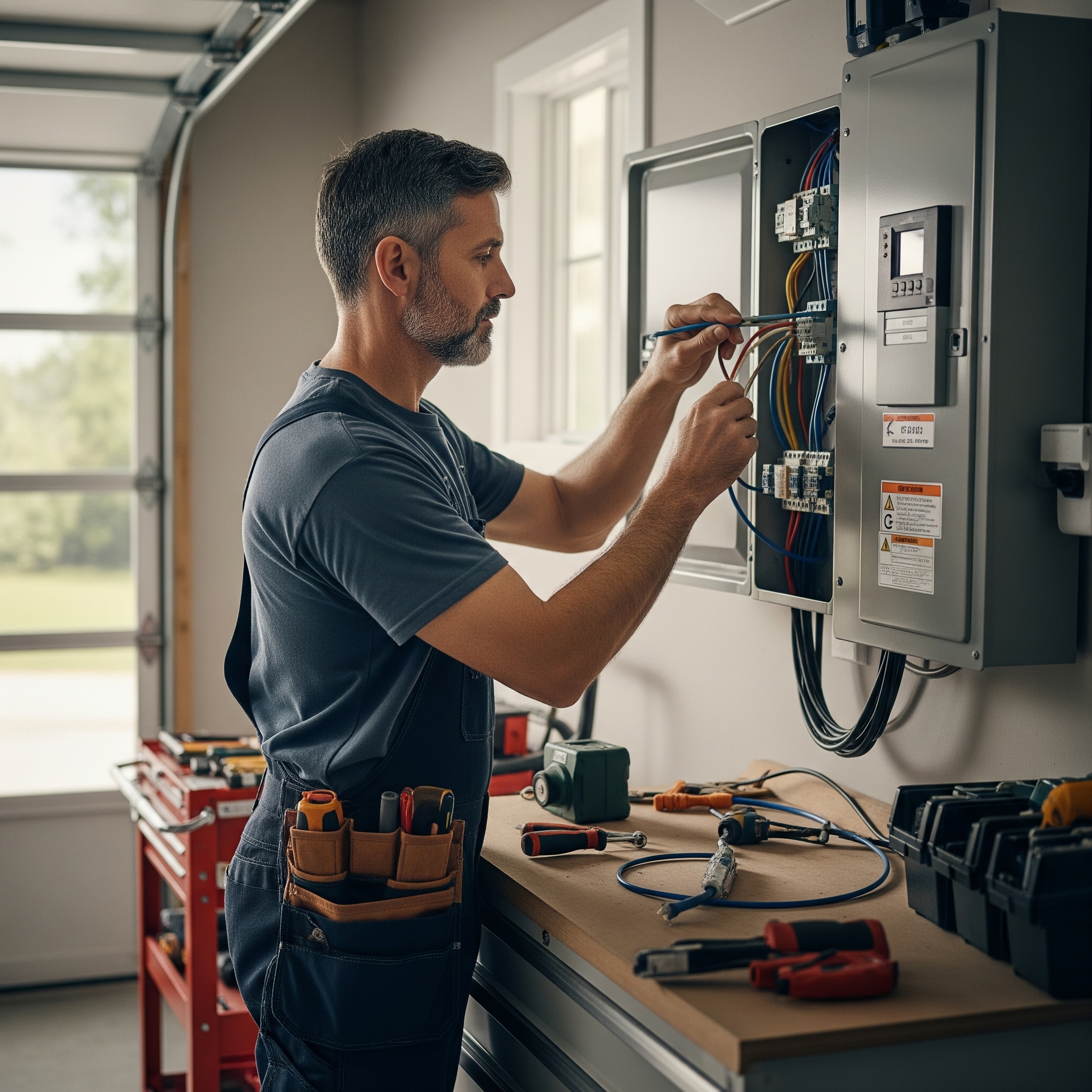
Garage Subpanel Installation
Garages are one of the most common places where subpanels are installed. A garage subpanel allows homeowners to power tools, outlets, and lighting without placing additional strain on the main panel. This setup is especially useful for homeowners who regularly use power equipment or plan to add electric vehicle chargers in the garage.
Workshop Electrical Subpanel Installation
Workshops often require several circuits to operate equipment safely. Installing a subpanel allows multiple circuits to be dedicated to tools and machines without interfering with the rest of the home’s electrical system.
ADU and Detached Building Subpanels
Detached buildings such as ADUs, backyard studios, or separate garages often require their own electrical distribution. A subpanel allows electricity to be routed from the main home while providing separate circuits inside the building.
Subpanels for Home Additions
When a home addition is built, installing a subpanel can simplify the electrical layout by providing power directly to the new section of the house. This makes it easier to install lighting, outlets, and appliances in the expanded space without overcrowding the main panel.

Our Subpanel Installation Process
Installing a subpanel involves more than simply adding another electrical box. The electrical load of the home must be evaluated, the feeder wiring must be sized correctly, and the installation must meet electrical code requirements. Our electricians follow a step-by-step process to ensure the subpanel operates safely and distributes power correctly.

Step 1: Evaluate the Electrical Load
The first step is evaluating the electrical demand of the home and the area where the subpanel will be installed. This helps determine the proper size of the subpanel and the feeder circuit that will supply it. The electrician reviews the capacity of the main electrical panel and calculates the expected load for the new circuits.

Step 2: Install Feeder Wiring from the Main Panel
Once the load requirements are determined, a feeder circuit is installed from the main electrical panel to the location of the new subpanel. This feeder wiring carries electricity from the main panel to the secondary panel and must be sized appropriately to handle the electrical demand.

Step 3: Mount and Connect the Subpanel
The subpanel is mounted securely and connected to the feeder wiring. Grounding and bonding components are installed according to electrical code requirements to ensure the system operates safely. Once connected, the subpanel becomes the distribution point for circuits in that area of the home.

Step 4: Install Circuits and Test Operation
After the subpanel is installed, circuits can be added to supply power to outlets, lighting, appliances, or equipment. The electrician then tests the circuits and verifies that power is distributed properly and the system is operating safely.
Why Sacramento Homeowners
Choose TNT Electric Co.
Expanding an electrical system requires careful planning and proper installation. Subpanels must be installed correctly to ensure the electrical system remains safe and reliable.

Licensed and Experienced Electricians
Our electricians install subpanels and electrical distribution systems in homes throughout Sacramento and surrounding communities. We understand how to evaluate electrical load, install feeder circuits, and configure panels so the system operates correctly.

Safe and Code-Compliant Electrical Repairs
Subpanel installations must follow electrical code requirements for wiring, grounding, and breaker sizing. Proper installation ensures the electrical system remains safe and capable of handling the additional circuits.
Local Sacramento Electrical Service
TNT Electric Co. provides residential electrical services across Sacramento, Citrus Heights, Roseville, and nearby communities. Because we regularly work on homes throughout the region, we are familiar with the electrical systems commonly found in local properties.
Subpanel Installation Service Areas
TNT Electric Co. installs electrical subpanels for homeowners throughout the Sacramento region. Subpanels are commonly installed when homes need additional circuits for garages, workshops, home additions, or detached structures.
Sacramento
Subpanel installation services are available for homes across Sacramento that require additional electrical capacity.
Citrus Heights
We install electrical subpanels for garages, workshops, and home additions throughout Citrus Heights.
Roseville
Residential subpanel installations for Roseville homeowners expanding their electrical systems.
Fair Oaks
Electrical subpanel installations for homes in Fair Oaks that require additional circuits.
Carmichael
Subpanel installation services for garages, workshops, and electrical expansions in Carmichael homes.
Orangevale
Electrical subpanel installations for homes throughout Orangevale and nearby communities.
Schedule Subpanel Installation in Sacramento
If you need additional circuits for a garage, workshop, accessory dwelling unit, or home addition, installing a subpanel can expand your electrical system without replacing the main panel.
TNT Electric Co. provides subpanel installation services for homeowners throughout Sacramento and nearby communities. Our electricians evaluate the electrical load, install feeder circuits, and ensure the subpanel is connected safely and operating correctly.
Subpanel Installation FAQs
What is an electrical subpanel?
An electrical subpanel is a smaller distribution panel that receives power from the main electrical panel and supplies electricity to a specific area of the home or property. Instead of running multiple circuits directly from the main panel, the subpanel acts as a secondary hub where additional breakers and circuits can be installed. Subpanels are commonly used for garages, workshops, home additions, and detached buildings.
When should a subpanel be installed?
A subpanel is often installed when additional circuits are needed and the main electrical panel is already full or located far from the area being powered. For example, homeowners may install a subpanel when converting a garage into a workshop, adding an accessory dwelling unit, or expanding the electrical system during a home renovation. Subpanels help distribute electricity more efficiently and make it easier to add circuits in the future.
Can a subpanel be installed in a garage?
Yes. Garages are one of the most common locations for subpanels. A garage subpanel allows homeowners to run multiple circuits for lighting, outlets, and power tools without overloading the circuits inside the main house. This setup is especially useful for workshops or garages where higher electrical demand is common.
Does installing a subpanel increase electrical capacity?
A subpanel does not increase the total electrical capacity of the home, but it allows electricity to be distributed more efficiently. The power for the subpanel still comes from the main electrical panel. However, installing a subpanel creates additional space for breakers and circuits, which helps manage electrical demand in different areas of the property.
Can a subpanel power a detached building or ADU?
Yes. Subpanels are frequently used to supply electricity to detached garages, accessory dwelling units, and backyard structures. A feeder circuit is installed from the main panel to the subpanel located in the detached building, where circuits can then supply power to outlets, lighting, and appliances within that structure.
How large should a subpanel be?
The size of a subpanel depends on the electrical demand of the area it will serve. Garages or workshops with power tools may require larger panels than areas with basic lighting and outlets. An electrician evaluates the expected electrical load and selects a subpanel that provides enough capacity for both current and future electrical needs.
Is installing a subpanel a major electrical project?
Subpanel installation typically requires running feeder wiring from the main electrical panel, mounting the subpanel, and installing the necessary circuits. While the process requires careful planning and electrical expertise, it is a common electrical upgrade performed in many homes when additional circuits are needed.
Do I need a licensed electrician to install a subpanel?
Yes. Subpanel installation should always be performed by a licensed electrician. The installation involves working inside the main electrical panel, installing feeder circuits, and ensuring the system is grounded and connected correctly. A professional installation ensures the electrical system operates safely and meets electrical code requirements.
Ready to remodel?
Contact TNT Electric Co. for a free estimate and let’s power up your dream home!


