


Electrical Safety Inspections for Sacramento Homes
Electrical inspections help homeowners understand whether their electrical system is operating safely and capable of supporting modern electrical demand. Because most wiring and electrical components are hidden behind walls, ceilings, and inside electrical panels, problems can develop gradually without being obvious during everyday use. A professional electrical inspection allows an electrician to evaluate the condition of the system and identify potential safety concerns before they turn into larger electrical problems. During the inspection, key parts of the electrical system are reviewed to determine whether wiring, circuits, outlets, and electrical panels are functioning properly.
Electrical inspections are commonly requested when purchasing a home, preparing for renovations, or evaluating older electrical systems that may not have been updated in many years. For homeowners throughout Sacramento, an inspection can provide valuable information about the condition of the electrical system and whether any improvements may be recommended. In many cases, inspections simply confirm that the system is operating safely. In others, they help identify outdated equipment or electrical components that may benefit from upgrades.
When a Professional Electrical Inspection Is Recommended
Electrical inspections can be helpful in several situations where homeowners want to better understand the condition of their electrical system. Whether you are purchasing a property, planning upgrades, or evaluating an older home, inspections provide useful information about the safety and reliability of the electrical system.
Electrical Inspection When Buying a Home
Homebuyers frequently request electrical inspections when purchasing a property. While general home inspections may identify obvious electrical concerns, a dedicated electrical inspection provides a closer look at the electrical panel, wiring, outlets, and circuits.
This helps buyers understand the condition of the electrical system and identify any outdated equipment that may require upgrades after purchase.
Electrical Inspection Before Renovations or Electrical Upgrades
Home renovations often involve installing new lighting, appliances, or additional electrical circuits. Before these upgrades are made, it is helpful to evaluate whether the existing electrical system has the capacity to support the additional demand.
An inspection can determine whether the electrical panel, circuits, or wiring may need to be upgraded before new electrical equipment is installed.
Electrical Inspection After Electrical Repairs
When electrical repairs or upgrades have been completed, an inspection can confirm that the system is operating properly. This provides reassurance that the wiring, circuits, and electrical components are functioning safely.
Electrical Inspection for Older Homes
Many homes throughout Sacramento were built decades ago and may still contain older electrical panels, wiring systems, or outlets. While these systems may still be working, they may not meet modern electrical standards or support today’s electrical demand.
Inspecting the system helps homeowners understand the condition of older wiring and determine whether electrical upgrades may improve safety and reliability.
What an Electrical Inspection Includes
A professional electrical inspection focuses on evaluating the main components that allow electricity to safely move throughout the home. The purpose is to identify potential safety concerns and determine whether the electrical system is functioning properly.

Electrical Panel and Breaker Inspection
The electrical panel is one of the most important parts of the electrical system. During an inspection, breakers, wiring connections, and grounding components inside the panel are evaluated to ensure they are functioning properly.
The capacity of the panel is also reviewed to determine whether it is adequate for the electrical demand of the home.

Outlet and Wiring Safety Inspection
Outlets, switches, and visible wiring are inspected to look for signs of wear, damage, or improper installation. Loose connections, damaged outlets, or outdated wiring can sometimes be identified during this part of the inspection.

Electrical Circuit Capacity Evaluation
Each circuit in the home carries electrical load to outlets, lighting, and appliances. During the inspection, the electrical demand on the circuits is evaluated to determine whether circuits may be overloaded or if additional circuits may be beneficial.

Identification of Outdated Electrical Equipment
Older electrical equipment such as outdated panels, wiring systems, or two-prong outlets may be identified during the inspection. While these systems may still function, they may not meet modern safety standards or provide the capacity needed for today’s electrical usage.
Identifying outdated equipment allows homeowners to understand whether future upgrades may improve the safety or performance of the electrical system.
Common Electrical Issues Found During Inspections
During an electrical inspection, electricians often discover problems that homeowners may not even realize exist. Because most of the electrical system is hidden inside walls, ceilings, and electrical panels, issues can develop slowly over time without obvious warning signs. Identifying these problems early helps prevent electrical failures and improves the overall safety of the home.
Outdated Electrical Panels
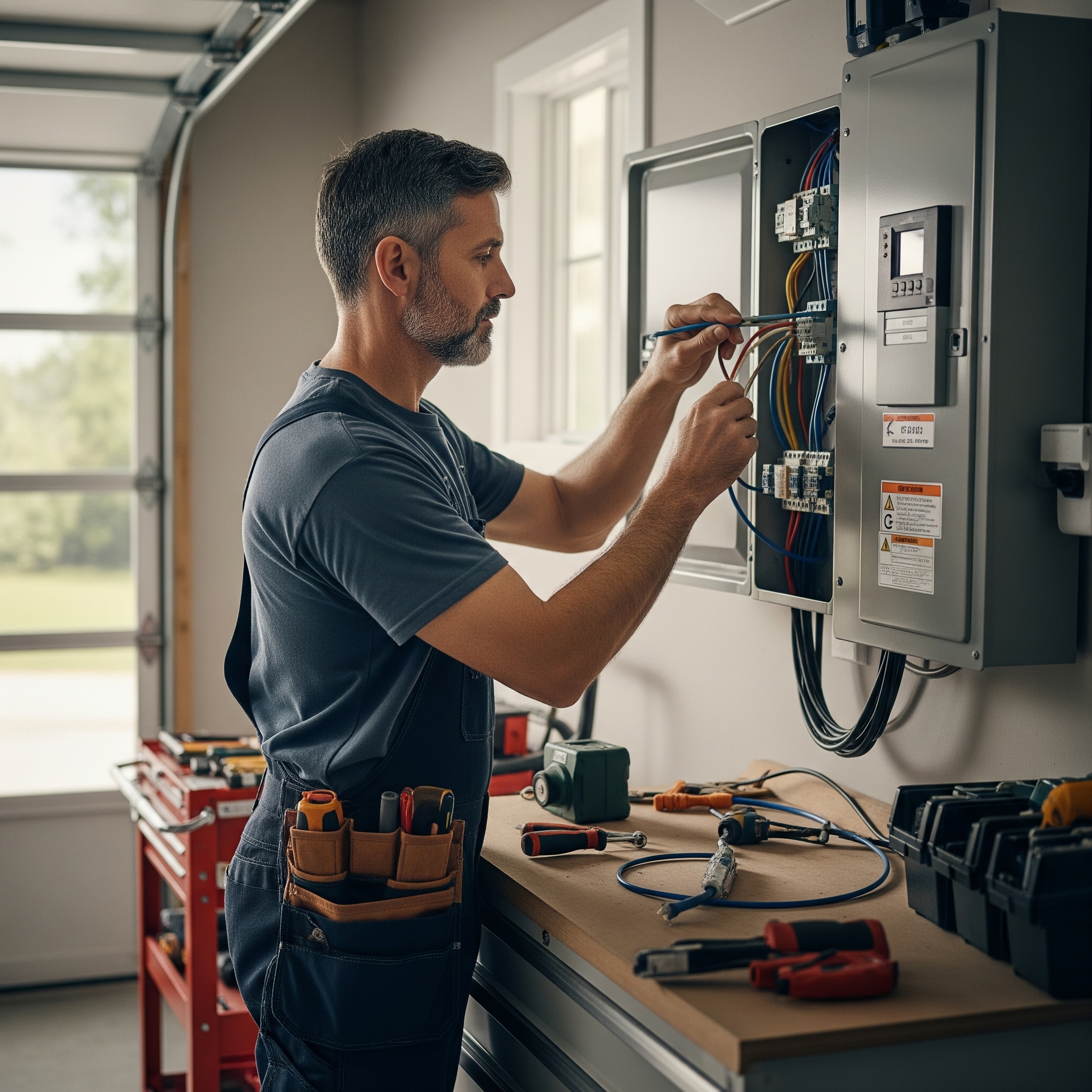
Many homes still operate with electrical panels that were installed decades ago. While they may still function, older panels were not designed to support the number of appliances and electronics used in modern homes. During inspections, electricians often find panels that are undersized, outdated, or nearing the end of their service life. Upgrading the panel can improve both safety and electrical capacity.
Ungrounded or Two-Prong Electrical Outlets
Some older homes still contain two-prong outlets that do not provide grounding. Grounded outlets help protect appliances and electronics by providing a safe path for excess electrical current. During inspections, electricians often identify areas where grounded outlets may improve electrical safety.
Overloaded Electrical Circuits
Electrical circuits are designed to carry a specific amount of electrical load. When too many appliances or devices are connected to a single circuit, it can lead to overloaded wiring and frequent breaker trips. An inspection helps determine whether circuits are carrying too much electrical demand and whether additional circuits may be needed.
Aging or Damaged Electrical Wiring
Electrical wiring can deteriorate over time due to age, wear, or environmental conditions. Insulation may become brittle, connections may loosen, or wiring may no longer meet current electrical standards. Inspections help identify wiring that may require repair or replacement to ensure safe electrical operation.

Why Electrical Inspections Are Important for Home Safety
Electrical systems operate mostly behind walls and ceilings, which means potential problems are not always visible during normal use. An electrical inspection allows an electrician to evaluate the condition of the system and identify issues that may otherwise go unnoticed.
By examining the electrical panel, wiring, outlets, and circuits, electricians can determine whether the system is functioning safely and whether it is capable of supporting the home’s electrical demand. Identifying concerns early helps prevent more serious electrical failures and reduces the risk of electrical hazards.
Routine electrical inspections also help homeowners understand the condition of their electrical system over time. This is especially helpful for older homes or properties that have undergone renovations, where electrical systems may have been modified or expanded over the years.
Electrical Inspection Service Areas
TNT Electric Co. provides electrical inspection services for homeowners throughout the Sacramento region. Whether you are purchasing a home, planning renovations, or evaluating the condition of an existing electrical system, inspections help identify potential issues and confirm that the system is operating safely.
Sacramento
We provide electrical inspections for residential properties throughout Sacramento, helping homeowners evaluate panels, circuits, wiring, and outlets.
Citrus Heights
Electrical safety inspections are available for homes across Citrus Heights, including older properties where electrical systems may require evaluation.
Roseville
Roseville homeowners often request electrical inspections when purchasing homes or planning electrical upgrades.
Fair Oaks
We perform electrical system inspections for homes in Fair Oaks to help identify outdated equipment or potential safety concerns.
Carmichael
Residential electrical inspections are available for homeowners throughout Carmichael who want to confirm their electrical systems are functioning safely.
Orangevale
Electrical inspection services are available for homes across Orangevale and nearby communities.
Schedule an Electrical Inspection in Sacramento
If you’re buying a home, planning electrical upgrades, or simply want to confirm that your electrical system is operating safely, scheduling a professional inspection can help identify potential issues before they become serious problems.
TNT Electric Co. provides electrical inspection services for homeowners throughout Sacramento and surrounding communities. Our electricians evaluate electrical panels, wiring, outlets, and circuits to ensure the system is operating safely and reliably. If you’re considering an inspection, we can review the electrical system and explain any recommended improvements.
Electrical Inspection FAQs
What does an electrical inspection include?
An electrical inspection reviews the main components of your home’s electrical system to make sure everything is operating safely. This typically includes the electrical panel, circuit breakers, outlets, switches, and visible wiring. The electrician also evaluates circuit capacity and looks for outdated equipment that may not meet modern electrical standards. The goal of the inspection is to identify potential safety concerns and determine whether the electrical system can support the home’s electrical demand.
Do I need an electrical inspection when buying a home?
Many homebuyers choose to have an electrical inspection before completing the purchase of a property, especially if the home is older. While general home inspections may look at visible electrical components, a dedicated electrical inspection provides a more detailed evaluation of the electrical panel, wiring, outlets, and circuits. This helps buyers understand the condition of the electrical system and identify any upgrades that may be needed after purchase.
How often should a home electrical system be inspected?
Electrical systems do not require frequent inspections in the same way that plumbing or HVAC systems might. However, it can be helpful to have an inspection performed when buying a home, planning renovations, or if the property is several decades old and the electrical system has not been evaluated recently. Inspections can also be useful if you are experiencing electrical issues or want reassurance that the system is operating safely.
Can an electrical inspection identify outdated wiring?
Yes. Electricians can often identify older wiring systems during an inspection by examining visible wiring, outlets, and electrical panels. Some homes still contain wiring that was installed decades ago and may not support modern electrical demand. Identifying outdated wiring allows homeowners to understand whether upgrades may improve safety or reliability.
What are common electrical problems found during inspections?
Electrical inspections often reveal issues such as outdated electrical panels, overloaded circuits, ungrounded outlets, or damaged wiring. In many cases these problems may not be obvious to homeowners because the electrical system continues to operate normally. Inspections help identify these concerns early so they can be addressed before they lead to electrical failures or safety hazards.
Can an electrician inspect wiring inside walls?
Most electrical wiring is hidden behind walls or ceilings, so inspections usually focus on accessible components such as panels, outlets, switches, and visible wiring. However, electricians can often identify signs that hidden wiring may need attention by testing circuits and evaluating how the system is performing.
How long does an electrical inspection take?
The time required depends on the size of the home and the scope of the inspection. Some inspections focus on a specific part of the electrical system, while others evaluate the entire system. In most homes, a typical inspection can be completed within a short visit.
Should I schedule an electrical inspection after renovations?
If renovations involved electrical work, installing new circuits, or adding appliances, an inspection can help confirm the electrical system is functioning properly. Evaluating the system after upgrades provides reassurance that the electrical work was completed safely and that the system can handle the added demand.
Ready to remodel?
Contact TNT Electric Co. for a free estimate and let’s power up your dream home!


