

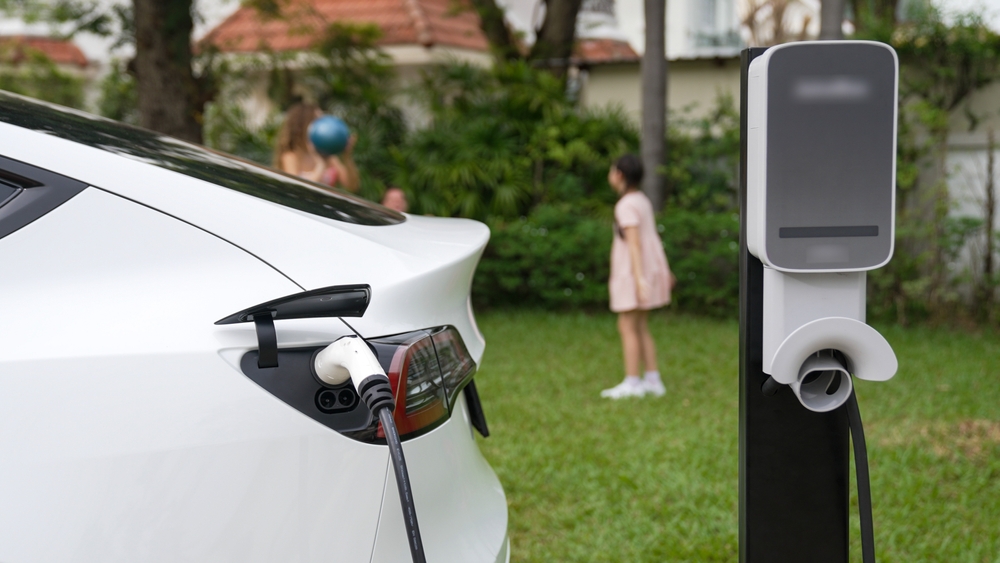
Making the switch to an electric vehicle offers incredible benefits, especially in California. You save money on gas, reduce your carbon footprint, and enjoy a smooth, quiet ride. But relying solely on public charging stations can quickly become a hassle. Installing a dedicated Level 2 home EV charger gives you the ultimate convenience of waking up to a fully charged battery every morning.
Choosing the right charger requires understanding your vehicle’s needs, your home’s electrical capacity, and California’s specific energy landscape. With high temperatures in the summer and unique utility rate structures from companies like PG&E and SMUD, the right equipment makes a massive difference in performance and cost savings.
This comprehensive guide will walk you through the top-rated Level 2 home EV chargers available today, including models from ChargePoint, Emporia, and Tesla. We will also break down installation requirements, electrical considerations, and local rebates available to Sacramento and California residents.
Why You Need a Level 2 Home EV Charger in California
When you purchase an electric car, it typically comes with a Level 1 charger. These standard cords plug directly into a normal 120-volt household outlet. While convenient, Level 1 chargers only add about three to five miles of range per hour. If you commute across Sacramento or take frequent trips around Northern California, a Level 1 charger simply will not keep up with your driving habits.
Faster Charging Speeds
Level 2 chargers operate on a 240-volt electrical circuit, similar to the one used by an electric clothes dryer or heavy-duty oven. This increased voltage allows Level 2 stations to deliver power much faster. Depending on the charger’s amperage and your vehicle’s acceptance rate, a Level 2 unit can add 20 to 45 miles of range per hour. You can easily recharge a depleted battery overnight.
Maximizing Time-of-Use Energy Rates
California utility companies, including PG&E and SMUD, utilize Time-of-Use (TOU) rate plans. This means electricity costs more during peak demand hours (usually late afternoon and early evening) and costs significantly less late at night. Smart Level 2 chargers allow you to schedule your charging sessions during off-peak hours. You can plug your car in right when you get home from work, but the charger will wait until midnight to actually draw power, saving you hundreds of dollars on your annual utility bills.
Increasing Your Property Value
As California continues to lead the nation in electric vehicle adoption, home buyers increasingly look for properties equipped with EV charging infrastructure. Installing a high-quality Level 2 charger not only makes your life easier but also adds modern appeal and value to your home.
Top Home EV Chargers for California Drivers
After evaluating charging speeds, smart features, durability, and overall value, a few standout models prove to be the best options for California homeowners. Here is a look at the top contenders.
ChargePoint Home Flex
The ChargePoint Home Flex consistently ranks as one of the best overall EV chargers on the market. It offers a perfect blend of power, flexibility, and intelligent software.
Flexible Amperage
One of the biggest advantages of the ChargePoint Home Flex is its adjustable amperage. You can set the charger to operate anywhere from 16 amps to 50 amps. If your home currently has limited electrical capacity, you can install it at a lower setting and adjust it later if you decide to get an electrical panel upgrade. At its maximum 50-amp setting, it delivers up to 37 miles of range per hour.
Smart App Integration
The ChargePoint app is incredibly user-friendly. It allows you to schedule charging times, monitor energy usage, and even integrate with your local utility rates. You can input your specific PG&E or SMUD rate plan, and the app will calculate exactly how much each charging session costs.
Climate Durability
Sacramento summers bring intense heat. The ChargePoint Home Flex features a robust, weather-resistant enclosure (NEMA 3R rated) that protects the internal components from high temperatures, dust, and rain. The 23-foot charging cable remains flexible even in extreme weather, making it easy to maneuver around your garage or driveway.
Emporia Level 2 EV Charger
If you want premium smart features without the premium price tag, the Emporia Level 2 EV Charger is an outstanding choice. It delivers exceptional value and integrates seamlessly into broader smart home energy systems.
Cost-Effective Performance
The Emporia charger offers up to 48 amps of power when hardwired, providing comparable charging speeds to much more expensive units. It features a sleek, compact design and comes with a 24-foot cable, giving you plenty of reach regardless of how you park your vehicle.
Advanced Energy Management
Emporia excels in energy management. If you install the Emporia Vue smart home energy monitor in your electrical panel, you can coordinate your EV charger with your home’s total energy consumption. It can even be programmed to charge your vehicle using excess solar power if you have solar panels installed on your roof—a major advantage for eco-conscious California homeowners.
Safety and Reliability
Despite its lower price point, the Emporia charger does not compromise on safety. It is UL-listed, meaning it has passed rigorous independent safety testing. It also features a sturdy, weather-resistant casing suitable for both indoor and outdoor installations in the Sacramento climate.
Tesla Wall Connector
For Tesla owners, the proprietary Tesla Wall Connector remains the absolute best choice. While you can charge a Tesla with a non-Tesla charger using an adapter, the Wall Connector offers the most streamlined experience.
Sleek Design and Ease of Use
The Tesla Wall Connector features a beautiful, minimalist design with a glass faceplate. It has a built-in button on the charging handle that automatically opens your Tesla’s charge port, eliminating the need to use your phone or the car’s screen to unlock it.
Power Sharing Capabilities
Many California households now own multiple electric vehicles. The Tesla Wall Connector includes a unique power-sharing feature. You can install up to six Wall Connectors on a single electrical circuit. The chargers communicate with each other via Wi-Fi to dynamically distribute the available power, ensuring all vehicles charge efficiently without overloading your electrical panel.
Universal Compatibility Option
Historically, the Wall Connector only worked with Tesla vehicles. However, Tesla now offers the “Universal Wall Connector,” which includes an integrated J1772 adapter. This means you can charge a Tesla and any other brand of electric vehicle using the same charging station, making it a versatile option for mixed-brand households.
Key Factors to Consider Before Buying an EV Charger
Selecting the right hardware is only the first step. You must also evaluate how the charger aligns with your home’s infrastructure and your daily routine. Keep these essential factors in mind.
Hardwired vs. Plug-In Installations
Level 2 chargers come in two configurations: hardwired and plug-in.
A plug-in charger requires a dedicated 240-volt receptacle, typically a NEMA 14-50 outlet. This setup offers flexibility, as you can easily unplug the charger and take it with you if you move. However, electrical codes limit plug-in chargers to a maximum of 40 amps.
A hardwired charger is permanently connected directly to your electrical panel. This configuration allows you to unlock the maximum power capabilities of chargers like the ChargePoint Home Flex or Emporia, pushing them up to 48 or 50 amps. Hardwiring also eliminates the need for a GFCI breaker, which is required for 240-volt outlets and can sometimes cause nuisance tripping with EV chargers.
Cable Length and Parking Logistics
Consider where you park your car and where the charging port is located on the vehicle. Most top-tier chargers offer cables ranging from 20 to 24 feet. Always opt for a longer cable if possible. It provides flexibility if you change vehicles in the future or need to park in a different spot in your driveway.
Wi-Fi Connectivity
Smart chargers require a strong Wi-Fi connection to function properly. Before settling on an installation location, test the Wi-Fi signal strength in your garage or on the side of your house. If the signal is weak, you may need to install a Wi-Fi extender to ensure your charger can communicate with its mobile app and receive vital firmware updates.
Installation Requirements for Sacramento Homeowners
Installing a Level 2 EV charger is not a simple DIY project. It involves working with high-voltage electricity and requires strict adherence to local building codes. Safety must always be the top priority.
Do You Need an Electrical Panel Upgrade?
Your home’s electrical panel manages the distribution of electricity from the utility company to your various circuits. Most modern EV chargers require a dedicated 50-amp or 60-amp double-pole breaker.
Many older homes in Sacramento have 100-amp panels. Adding a high-demand appliance like an EV charger to a 100-amp panel can overload the system, causing breakers to trip or even creating a fire hazard. If your home lacks the necessary capacity, you will need a professional electrical panel upgrade. Upgrading to a 200-amp panel provides plenty of power for your EV charger, air conditioning, and future heavy-duty appliances.
The Importance of a Professional Electrical Inspection
Before purchasing any equipment, it is highly recommended to have a licensed electrician evaluate your current setup. They will calculate your home’s total electrical load to determine if your panel can handle the extra demand safely. Getting a thorough electrical inspection in Sacramento ensures your new charger will operate securely without jeopardizing your home’s electrical integrity.
Hiring Expert EV Charger Installation in Sacramento
Proper installation is critical for safety, performance, and warranty compliance. A licensed electrician will ensure the correct wire gauge is used, all connections are torqued properly, and the installation meets National Electrical Code (NEC) standards.
When you schedule professionalEV charger installation in Sacramento, the technicians will handle the necessary city permits and arrange for the required inspections. Sacramento building departments strictly regulate EV charger installations to prevent electrical fires and grid overloads. Attempting to bypass the permitting process can result in heavy fines and complicate future real estate transactions.
California EV Charger Rebates and Incentives
One of the great perks of living in California is access to various financial incentives that help offset the cost of purchasing and installing an EV charger.
State and Local Programs
The California Air Resources Board (CARB) frequently funds programs that provide rebates for residential EV charging infrastructure. Furthermore, regional air quality management districts often have their own unique incentives. These programs are routinely updated, so check the latest local government resources when planning your installation.
Utility Company Benefits
Utility providers like SMUD and PG&E actively encourage their customers to transition to electric vehicles.
SMUD (Sacramento Municipal Utility District) frequently offers rebates to help cover the cost of electrical upgrades and Level 2 charger installations. They also provide specialized EV rate plans that drastically reduce the cost of electricity during overnight charging hours.
PG&E offers similar benefits. Through their EV rate plans, you can charge your car at home for the equivalent of just a couple of dollars per “gallon.” PG&E also occasionally runs rebate programs specifically targeting the installation of smart, networked EV chargers that help balance the local power grid.
Why Choose TNT Electric for Your Installation?
Setting up a robust, reliable, and safe home charging station requires technical expertise and local knowledge. At TNT Electric, our licensed professionals understand the specific demands of California’s energy landscape and building codes.
We offer a comprehensive range of electrical services tailored to meet the needs of modern homeowners. From initial load calculations and panel upgrades to seamless charger installation and final city inspections, we handle the entire process with precision and care.
Moving Forward with Your EV Journey
Investing in a top-rated Level 2 home EV charger like the ChargePoint Home Flex, Emporia, or Tesla Wall Connector transforms the electric vehicle ownership experience. You gain unparalleled convenience, maximize your utility savings, and ensure your vehicle is always ready for the road ahead.
By understanding your electrical system’s capabilities and leveraging local Sacramento rebates, you can upgrade your home efficiently and affordably. Reach out to a licensed electrician today to evaluate your panel, discuss your vehicle’s requirements, and schedule a professional installation that will serve you for years to come.
