

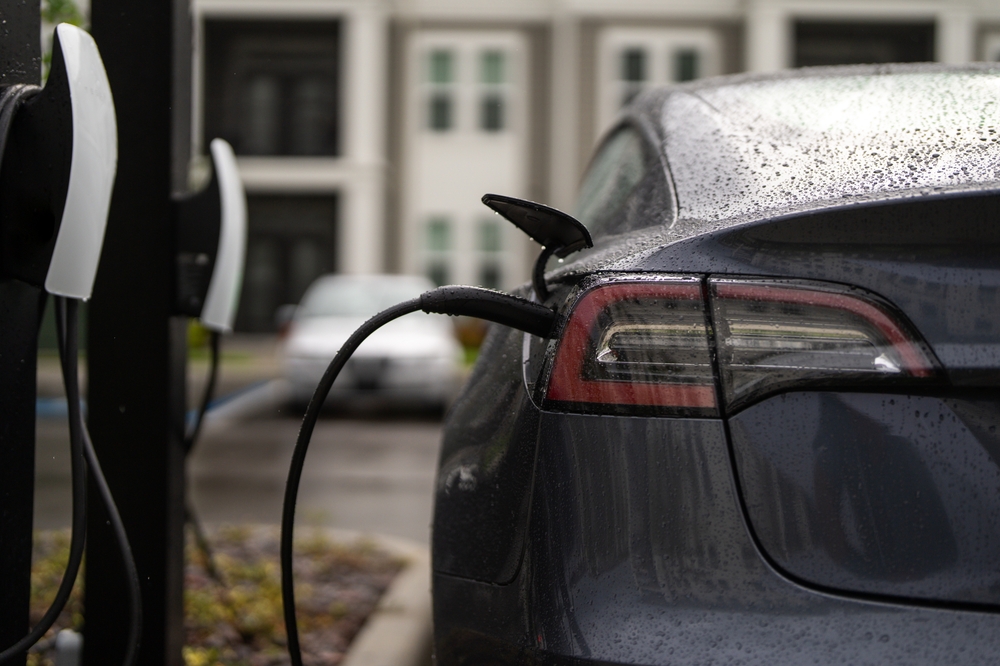
Switching to an electric vehicle offers significant environmental and financial benefits. However, charging that vehicle at home requires more than just buying a charging station and plugging it into the wall. Installing a Level 2 EV charger involves high-voltage electrical work that fundamentally changes how your home draws power from the grid. Because of this, the City of Sacramento and Sacramento County strictly regulate the installation process to protect homeowners.
Navigating building codes and local government portals can feel overwhelming for many residents. Understanding exactly what the law requires prevents costly mistakes, ensures your home remains safe, and keeps your property legally compliant.
This comprehensive guide breaks down everything you need to know about permit requirements for EV charger installation in Sacramento. We will cover why permits are necessary, how to navigate the application process using tools like Sacramento Streamline, and what to expect during your final safety inspection.
Why Do You Need a Permit for an EV Charger in Sacramento?
Many homeowners wonder if they can bypass the permitting process to save time and money. The short answer is no. Both the City of Sacramento and Sacramento County legally require an electrical permit before you install a hardwired Level 2 EV charging station or add a new 240-volt receptacle for a plug-in model.
City of Sacramento vs. Sacramento County Regulations
Sacramento is divided into city and county jurisdictions, and your specific address determines which building department handles your permit. While both entities follow the California Electrical Code (based on the National Electrical Code), their specific submission processes and fee structures differ slightly.
The primary goal for both jurisdictions is uniform safety. When you add a continuous electrical load—like an EV charger that draws high amperage for several hours at a time—you place immense stress on your home’s electrical infrastructure. Local building departments require permits to verify that your current system can safely handle this new demand without causing a catastrophic failure.
Ensuring Electrical Safety and Code Compliance
Building permits are not just bureaucratic red tape; they are a vital public safety mechanism. Electric vehicles require dedicated circuits, properly sized breakers, and specific wire gauges to prevent overheating.
When you pull a permit, a qualified city or county official reviews your proposed installation plan. This review guarantees that the equipment you plan to use, the location of the charger, and the materials involved meet strict safety standards. It ensures that your installation complies with the latest updates to the electrical code, keeping your family and your property safe from electrical fires.
The Risks of Unpermitted EV Charger Installation
Skipping the permitting process might seem like an easy way to speed up your project. However, illegal electrical work introduces severe physical and financial risks that far outweigh the cost of a permit.
Fire Hazards and Overloaded Panels
An EV charger draws more sustained power than almost any other appliance in your house. If an unlicensed individual installs a charger without an approved load calculation, it can easily overload an aging electrical panel. This overloading causes wires to overheat, melts insulation, and eventually leads to electrical fires. Permits ensure that your panel has the physical capacity to safely distribute power to the charger.
Insurance Denials and Liability
Your homeowner’s insurance policy requires you to maintain your property according to local building codes. If an unpermitted EV charger causes an electrical fire or damages your home, your insurance provider has the legal right to deny your claim. You would be held completely financially responsible for all repairs, structural damage, and replacement of your vehicle.
Complications When Selling Your Home
Unpermitted work creates major roadblocks during real estate transactions. When you decide to sell your Sacramento home, buyers will hire inspectors who will quickly spot an unpermitted charging station or an altered electrical panel.
Buyers will often demand that you retroactively permit the work, which incurs heavy fines and penalties from the city. In many cases, you may have to tear out the existing work and pay a licensed contractor to do it over again. Completing the job legally from the beginning preserves your home’s resale value and prevents future headaches.
Step-by-Step Guide to the Permitting Process
Obtaining a permit in Sacramento follows a specific sequence of events. While a licensed electrical contractor typically handles this process for you, understanding the steps ensures you know exactly what is happening behind the scenes.
Step 1: Assess Your Current Electrical System
Before applying for a permit, you must evaluate your existing electrical infrastructure. This involves looking at your main electrical panel to determine its amperage rating (usually 100, 150, or 200 amps).
You or your electrician must calculate the current electrical load of your home. This calculation factors in your air conditioner, electric oven, dryer, and other major appliances. If your panel lacks the capacity to support a new 40-amp to 60-amp circuit, you will need an electrical panel upgrade before the city will approve your EV charger permit.
Step 2: Prepare Your Load Calculation and Site Plan
The building department requires specific documentation to approve your project. You must submit a formal electrical load calculation demonstrating that the new charger will not exceed your panel’s safe operating limits.
Additionally, you need a basic site plan showing where the charger will be installed. This plan must detail the distance from the electrical panel to the charger location, the route the conduit will take, and the specific make and model of the EV charging equipment.
Step 3: Navigating Sacramento Streamline and Online Portals
To encourage the adoption of electric vehicles, local governments have worked to simplify the application process. If you live within city limits, you will utilize the Sacramento Streamline program.
Sacramento Streamline is an online portal designed to fast-track straightforward residential projects, including EV charger installations. Through this portal, you can upload your load calculations, submit your site plan, and fill out the necessary application forms digitally. Sacramento County offers a similar online permitting portal for residents outside the city limits. These digital systems have drastically reduced wait times, allowing many straightforward EV permit applications to be approved in just a few days.
Step 4: Paying Permit Fees and Receiving Approval
Once the building department reviews and approves your documentation, you must pay the required permit fees. These fees vary depending on the scope of the work and whether you are also upgrading your electrical panel. After the fees are processed, the city or county issues the official building permit. Only at this point can the physical installation work begin legally.
What Happens During the Safety Inspection?
Pulling the permit is only the first half of the regulatory process. After your electrician completes the installation, the work must be independently verified by a government official.
Scheduling the Inspector
Once the charging station is wired and mounted, you or your contractor will log back into the Sacramento Streamline or county portal to schedule a final inspection. An official electrical inspector from the city or county will visit your home to review the completed project.
What the Inspector Looks For
The inspector’s job is to ensure the physical installation matches the approved plans and adheres strictly to the California Electrical Code. During this visit, the inspector will check several critical components:
- Wire Sizing: They will verify that the copper wiring used is thick enough to handle the charger’s amperage safely.
- Breaker Size: They will confirm that the new double-pole breaker installed in your panel is appropriate for the charger’s specifications.
- Conduit and Connections: They will check that all conduit is properly secured, weather-tight (if outdoors), and that all electrical connections are torqued to the manufacturer’s specific requirements.
- Clearances and Accessibility: They will ensure the charger is mounted at the correct height and that the electrical panel retains the required working clearances.
If everything meets code, the inspector signs off on the permit, officially closing the project. If they find an issue, they will issue a correction notice, and the problem must be fixed before scheduling a re-inspection.
Common Hurdles and How to Avoid Them
While the permitting process is straightforward, certain property conditions can complicate the installation. Being aware of these hurdles allows you to plan accordingly.
Needing an Electrical Panel Upgrade
As mentioned earlier, older homes in Sacramento often feature 100-amp electrical panels. Modern homes with central air conditioning, electric appliances, and EV chargers typically require a 200-amp service. If your load calculation reveals insufficient capacity, your permit application will be denied unless you also include plans for a panel upgrade. Partnering with an expert for an electrical inspection in Sacramento before you begin the permitting process will help you identify this need early.
Trenching for Detached Garages
If you have a detached garage or want to install a pedestal charger near your driveway, you will need to run underground electrical conduit. This requires trenching. Trenching adds complexity to the permitting process, as the city requires specific burial depths for electrical lines to prevent accidental severing during future landscaping work. The inspector will often require an “open trench inspection” before you bury the conduit, meaning they need to see the pipe in the ground before you cover it with dirt.
Why Hire a Licensed Electrician for Your Sacramento EV Charger?
Attempting to navigate the load calculations, code requirements, and online portals on your own can be incredibly frustrating. Hiring a professional eliminates the stress and ensures the job is done right the first time.
Streamlining the Paperwork
Licensed electrical contractors handle permit applications every single day. They know exactly how to fill out the Sacramento Streamline paperwork, how to draft accurate load calculations, and what the local building departments expect to see. By handing this responsibility to a professional, you avoid application rejections and unnecessary delays.
Guaranteed Code Compliance
A licensed electrician possesses the training and experience required to execute the physical installation flawlessly. They understand the nuances of local codes, ensuring that your installation passes the final city inspection on the first try.
When you schedule professional EV charger installation in Sacramento, you gain peace of mind knowing your family, your vehicle, and your home are protected by expert workmanship.
Trust the Experts for Your EV Charging Needs
Adding an electric vehicle charger to your home is an excellent investment, but it must be done legally and safely. By respecting the permit requirements of the City of Sacramento and Sacramento County, you protect your property from fire hazards, liability issues, and real estate complications.
Navigating the Sacramento Streamline portal, calculating electrical loads, and passing strict safety inspections requires specialized knowledge. You do not have to tackle this process alone. Explore our full range of professional services to see how we can help you transition to electric vehicle ownership seamlessly. Reach out to our team of licensed experts today to handle your EV charger installation legally, safely, and efficiently.
