

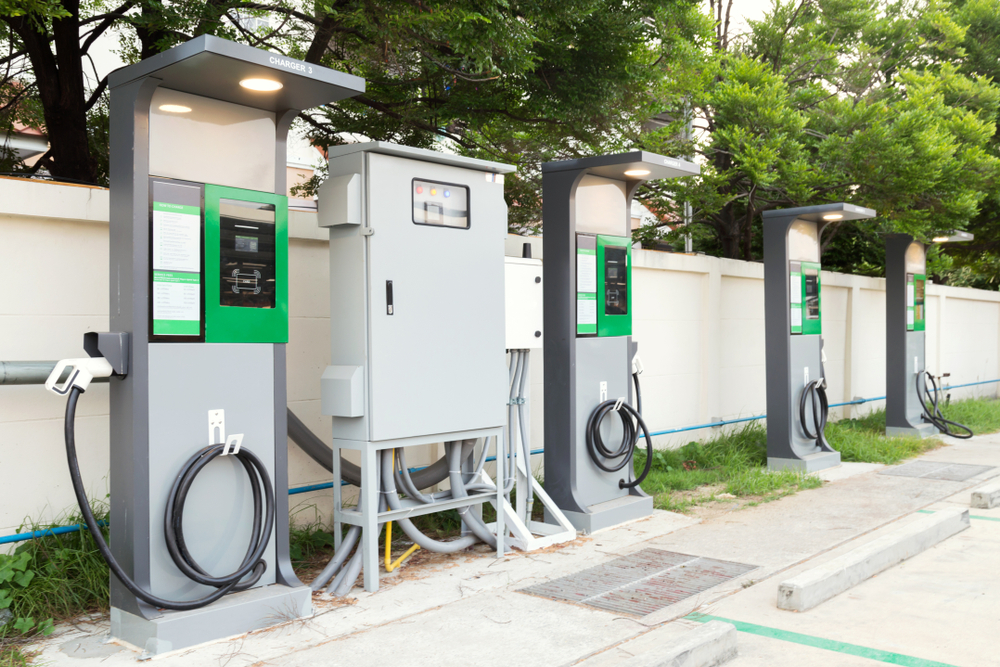
California is currently the epicenter of a global shift in transportation. With the state’s mandate that all new cars sold must be zero-emission by 2035, the transition to Electric Vehicles (EVs) is no longer a “future possibility”—it is a present reality. In the Greater Sacramento area, from the luxury lofts of Downtown and Midtown to the sprawling garden-style complexes in Elk Grove and Roseville, a new class of tenant is emerging: the EV owner.
For property managers and apartment owners, this shift presents both a massive opportunity and a significant technical challenge. An EV is not just another appliance; it is a high-draw electrical load that can strain an aging building’s infrastructure. At TNT Electric, we specialize in the Multi-Family Electrical Upgrades and Apartment Electrical Services required to bring your property into the 21st century.
This guide is an exhaustive resource designed to help you understand the “Business Case” for EV charging, the legal requirements in California, and the critical electrical infrastructure needed to support a charging network without blowing your main service.
Part I: The Business Case – Why EV Charging is the New “Granite Countertops”
A decade ago, “high-value amenities” meant a fitness center or upgraded kitchen finishes. Today, for the modern, high-earning Sacramento tenant, EV charging is a “deal-breaker” amenity.
1. Attracting and Retaining “Green” Tenants
EV owners typically fall into a higher-income demographic. They are looking for properties that align with their lifestyle and environmental values. By offering onsite charging, you aren’t just providing a utility; you are providing convenience. A tenant who can charge their car while they sleep is a tenant who is likely to renew their lease year after year.
2. Increasing Property Valuation
Commercial real estate appraisers are increasingly factoring “EV Readiness” into building valuations. A property with a modern Commercial Power Distribution System capable of supporting 10, 20, or 50 chargers is worth significantly more on the open market than a building with 1970s wiring that can barely support a microwave.
3. Creating a New Revenue Stream
Modern EV charging stations are “networked.” This allows property owners to set their own pricing for electricity. You can choose to provide charging as a free perk or treat it as a “digital gas station” where you earn a small margin on every kilowatt-hour sold to your residents.
Part II: Navigating the “Right to Charge” and California Law
California has some of the most aggressive laws in the nation regarding EV charging in multi-family housing. Property managers must understand their legal obligations.
1. Civil Code Section 1947.6 (The Right to Charge)
This law generally states that a landlord cannot “unreasonably” deny a tenant’s request to install an EV charging station in their assigned parking space, provided the tenant pays for the installation and the electricity.
- The Landlord’s Responsibility: While the tenant pays for the charger, the landlord is responsible for ensuring the building’s infrastructure can handle it. If your building has Outdated Panels, you may find yourself in a legal grey area if you deny a request based on “capacity” without having a plan to upgrade.
2. CALGreen Building Code
If you are performing a Tenant Improvement (TI) or a major renovation on your complex, the CALGreen code requires a certain percentage of parking spaces to be “EV Capable” (conduit installed) or “EV Ready” (wiring and circuits installed).
Part III: The Technical Bottleneck – Infrastructure & Capacity
This is where many Sacramento property owners get a “sticker shock” reality check. You cannot simply “bolt a charger to a wall” and plug it in.
1. Level 1 vs. Level 2 Charging
- Level 1 (120V): This is a standard wall outlet. It provides about 4–5 miles of range per hour. It’s too slow for most modern tenants.
- Level 2 (240V): This is the industry standard for apartment charging. It provides 25–40 miles of range per hour. However, a single Level 2 charger pulls 40 to 50 Amps—nearly half the total capacity of many older Apartment Panels.
2. The “Transformer” Problem
If you have a 50-unit complex and 10 tenants want Level 2 chargers, you are adding a 500-amp load to your building. Many older Sacramento complexes only have a 400-amp or 600-amp main service for the entire building. This is why a Comprehensive Electrical Audit is the first step in any EV project.
Part IV: The Solution – Panel Upgrades & Load Management
At TNT Electric, we help Sacramento owners overcome the infrastructure hurdle through two primary methods.
1.Multi-Family Panel Upgrades
If your building is still running on Zinsco or Federal Pacific panels, or if your service is undersized, an upgrade is mandatory. We modernize your main distribution boards to provide the “headroom” required for EV charging. This not only supports EVs but also satisfies your Insurance Carrier’s Requirements.
2. Smart Load Management
You don’t always need to double the size of your electrical service. We can install “Smart Load Management” software. These systems “talk” to the chargers and the building’s main panel. If the building’s AC units all kick on at 5:00 PM during a Sacramento heatwave, the system automatically slows down the EV charging to prevent a blackout. Once the building load drops at night, the charging speed increases.
Part V: Financials – SMUD, PG&E, and Federal Rebates
The cost of installing 10–20 chargers can be daunting, but the “Stackable” rebates available in Sacramento are some of the best in the country.
1. SMUD “Charge Up Sacramento”
SMUD offers massive incentives for multi-family properties. They often provide several thousand dollars per port in rebates. This can sometimes cover up to 80% of the equipment and Commercial Installation Costs.
2. PG&E EV Fast Charge
For properties in the outlying areas served by PG&E, their program often covers the “Make-Ready” costs—meaning PG&E pays for the trenching, conduit, and Transformer Work required to get power to the parking spots.
3. Federal Tax Credits (30C)
The federal government offers a 30% tax credit (up to $30,000) for commercial EV charging installations in specific census tracts, which includes many parts of Sacramento and West Sacramento.
Part VI: Implementation – Choosing the Right Billing Model
Once the Electrical Buildout is complete, how do you handle the billing?
- Tenant-Faced Billing: Using platforms like ChargePoint or Tesla, the tenant pays via an app. the money goes to the service provider, who then reimburses you for the electricity used.
Monthly Flat Fee: You charge the tenant an extra
50–50–
-
100 a month on their rent for “Unlimited Charging.” This is simpler for the landlord but harder to manage if a tenant is a high-mileage driver.
Part VII: Maintenance and Ongoing Service
EV chargers are located outdoors and are subject to the Sacramento elements—and occasional vandalism. They are not “install and forget” devices.
- Annual Inspections: We provide Commercial Service Work to check for frayed cables, damaged screens, and software connectivity issues.
- Breaker Testing: Because EV chargers run at high amperage for 8–10 hours at a time, they place significant thermal stress on your Electrical Panels. Regular torque testing of connections is vital to prevent fires.
Conclusion: Don’t Get Left Behind in the Gas Age
The transition to electric mobility in Sacramento is accelerating. For property owners, the choice is clear: you can either be a leader in this space and attract the city’s highest-quality tenants, or you can watch your property value stagnate as your competitors offer the amenities of the future.
At TNT Electric, we are your partners in this transition. We understand the Light Commercial and Multi-Family landscape better than anyone in the region. We don’t just “install chargers”; we design the infrastructure that powers your long-term success.
Is your property ready for the electric future?
Contact TNT Electric today for an EV Readiness Audit.
