Every time you flip a light switch, plug in a phone charger, or turn on your air conditioner, you rely on a vast network of wires hidden behind your walls. We rarely think about our electrical systems until something goes wrong. However, waiting for a failure often leads to expensive repairs or, worse, devastating house fires. Taking a proactive approach to your home’s electrical health protects your property and keeps your family safe.
An electrical inspection checklist gives you a structured way to evaluate the visible components of your power system. While you should never open electrical panels or attempt DIY repairs without a license, performing a visual sweep of your home helps you spot warning signs early. This guide provides a comprehensive checklist designed specifically for homeowners.
We will walk you through exactly what to look for, explain why each component matters, and help you understand when an issue requires professional intervention. Whether you live in a brand-new build or a historic property, this checklist is your first line of defense against hidden electrical hazards.
Why Sacramento Homeowners Need an Electrical Checklist
Your location plays a significant role in the health and longevity of your home’s electrical system. Homeowners in the Sacramento area face unique challenges that make routine electrical maintenance absolutely critical. From extreme weather to aging infrastructure, local factors put immense stress on your wiring.
The Impact of Older Housing Stock
Sacramento features beautiful, historic neighborhoods filled with character. Areas like East Sacramento, Land Park, and Midtown boast homes built decades, or even a century, ago. While these older homes offer incredible charm, they often conceal outdated and dangerous electrical systems.
Homes built before the 1950s frequently rely on knob-and-tube wiring, an ungrounded system that poses a severe fire risk by modern standards. Houses constructed in the 1960s and 1970s might contain aluminum wiring, which expands and contracts with temperature changes, leading to loose connections and arcing. A routine checklist helps you identify the warning signs of aging wiring before it fails completely.
Sacramento Climate and Power Demands
The climate in the Sacramento Valley pushes residential electrical systems to their absolute limits. During intense summer heatwaves, air conditioners run continuously, drawing massive amounts of electricity. This constant, heavy load can overwhelm older panels and degrade wire insulation over time.
Additionally, winter storms bring high winds and heavy rain, increasing the risk of power surges and water intrusion. Surges weaken your system’s defenses and can destroy sensitive electronics. Performing a regular visual inspection helps you ensure your system is robust enough to handle the region’s intense weather fluctuations. If you find your system struggling to keep up with seasonal demands, it is time to schedule a professionalelectrical inspection in Sacramento.
The Ultimate Electrical Inspection Checklist
This checklist focuses on the visible, accessible components of your electrical system. It is designed to help you identify red flags without putting yourself in danger. Remember, electricity is lethal. Never remove panel covers, touch exposed wires, or attempt to fix a problem beyond your skill level.
1. Evaluate the Main Electrical Panel
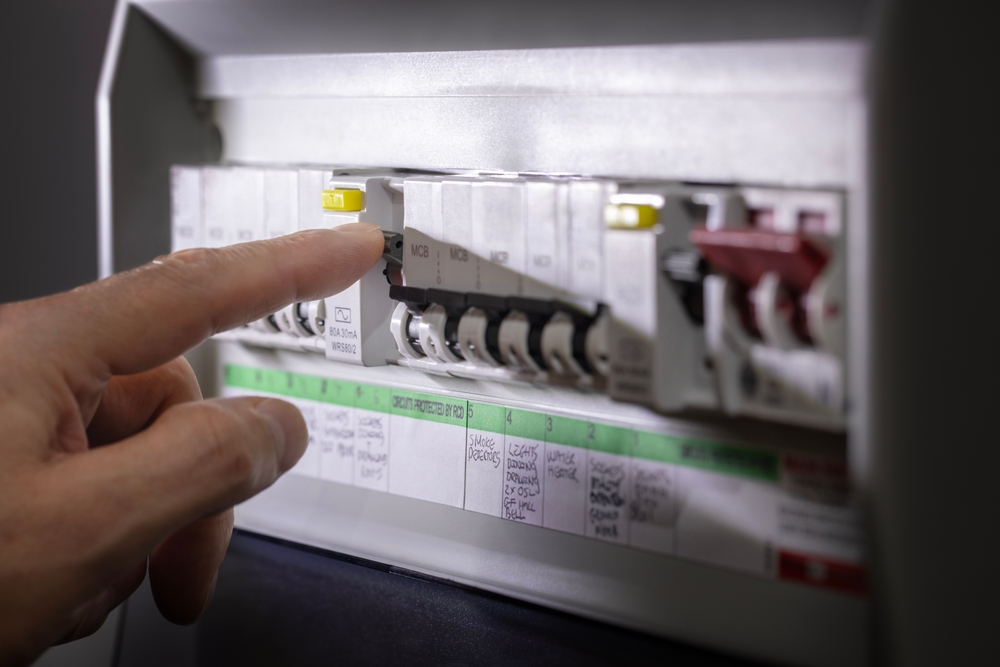
Your main electrical panel, or breaker box, acts as the heart of your home’s power distribution. It takes electricity from the utility company and routes it safely to the various circuits throughout your house. A healthy panel is vital for fire prevention.
What to Check:
- Physical condition: Look at the exterior of the metal box. Do you see any rust, water stains, or signs of moisture? Water and electricity are a deadly combination.
- Breaker labeling: Open the panel door and check the directory. Every breaker should be clearly labeled so you know exactly which circuit it controls during an emergency.
- Odd sounds or smells: Stand near the panel and listen. You should not hear any buzzing, humming, or crackling sounds. Furthermore, the area should never smell like burning plastic or ozone.
- Heat: Gently place the back of your hand against the closed metal door. The panel should feel room temperature, never hot to the touch.
Why it Matters:
Rust indicates a water leak that could cause catastrophic short circuits. Buzzing sounds or excess heat mean that a breaker is failing or a connection is loose, causing electrical arcing. Arcing generates intense heat and is a leading cause of electrical fires. If your panel is outdated, overloaded, or showing signs of stress, you likely need an electrical panel upgrade to keep your home safe.
2. Test Ground Fault Circuit Interrupters (GFCIs)
GFCI outlets are designed to protect you from severe electrical shocks. They constantly monitor the electrical current flowing through a circuit. If they detect even a tiny imbalance—meaning electricity is escaping its intended path and flowing through something else, like water or a person—they instantly cut the power.
What to Check:
- Location: Verify that GFCI outlets are installed in all areas where water and electricity mix. This includes kitchens, bathrooms, laundry rooms, garages, unfinished basements, and outdoor spaces.
- Functionality: Press the “Test” button on the outlet. You should hear a click, and the power to that outlet should immediately shut off. Plug a small lamp or radio into the outlet to confirm it has no power.
- Resetting: Press the “Reset” button. The power should immediately return.
Why it Matters:
GFCIs are critical safety devices that save lives. However, their internal circuitry can degrade over time or fail entirely after a power surge. A failed GFCI might still provide power to a plugged-in device, but it will no longer provide life-saving shock protection. Testing them monthly ensures they are ready to act when an accident happens.
3. Inspect Outlets and Switches
Outlets and switches are the primary points of interaction between you and your electrical system. Because they experience daily use, they are prone to physical wear and internal loosening.
What to Check:
- Physical damage: Look for cracked or broken faceplates. Ensure the outlet or switch sits tightly against the wall and does not wobble when you plug something in.
- Discoloration: Inspect the plastic around the plug slots. Any yellowing, browning, or scorch marks indicate severe overheating behind the wall.
- Plug tension: When you plug a cord into an outlet, it should fit snugly. If plugs fall out easily or droop, the internal contacts are worn out.
- Two-prong vs. three-prong: Note how many two-prong outlets remain in your home. Two-prong outlets lack a vital grounding wire.
Why it Matters:
Loose outlets create poor electrical connections. When electricity jumps across a loose connection, it creates resistance and heat. This heat melts the plastic casing and eventually ignites the surrounding drywall. Scorch marks are an immediate, urgent red flag that requires professional attention. Replacing worn-out receptacles prevents these dangerous scenarios.
4. Check Arc Fault Circuit Interrupters (AFCIs)
While GFCIs protect against shocks, AFCIs protect against fires. These devices detect dangerous electrical arcs caused by damaged wiring, pinched cords, or loose connections. AFCIs are typically installed as breakers in your main panel, though they can also be found as wall receptacles.
What to Check:
- Identification: Look in your electrical panel for breakers with “Test” buttons. These are likely AFCI or dual-function AFCI/GFCI breakers.
- Testing: Just like GFCIs, press the test button. The breaker should trip to the “Off” or “Trip” position immediately.
- Resetting: Firmly push the breaker switch fully to the “Off” position, then snap it back to the “On” position to restore power.
Why it Matters:
Wiring behind walls can be damaged by rodents, rogue nails from hanging pictures, or simple age. When this hidden damage causes electricity to arc, it generates intense heat capable of starting a fire within the wall cavity. AFCI breakers stop this process in its tracks. Regular testing ensures the microprocessors inside the breaker are functioning correctly.
5. Assess Lighting Fixtures and Bulbs
Lighting provides functional illumination and sets the mood in your home. However, improper bulb usage or failing fixtures can create significant hazards.
What to Check:
- Wattage limits: Remove the shade or cover from your fixtures and check the maximum wattage rating sticker. Verify that the installed bulb does not exceed this rating.
- Flickering or dimming: Turn on the lights and observe them. They should provide steady, consistent illumination. Note if they flicker randomly or dim when large appliances, like a vacuum or microwave, turn on.
- Heat output: Traditional incandescent and halogen bulbs generate massive amounts of heat. Ensure they are kept far away from flammable materials like drapes, bedding, or clothing.
Why it Matters:
Installing a 100-watt bulb in a fixture rated for 60 watts is a common and dangerous mistake. The excess heat melts the fixture’s wiring insulation and can start a fire. Flickering lights often point to a larger systemic issue, such as loose wiring connections in the wall or a main panel that is struggling to balance the electrical load.
6. Review Appliance Cords and Extension Cords
We rely on countless plug-in devices to run our households. The cords connecting these devices to the wall take a lot of physical abuse, making them frequent points of failure.
What to Check:
- Cord condition: Inspect the entire length of your appliance cords. Look for cracking, fraying, or exposed wires. Check the base of the plug to ensure it has not been pulled loose from the casing.
- Extension cord usage: Extension cords are strictly for temporary use. Check to see if you are using extension cords as permanent wiring solutions behind entertainment centers or home office desks.
- Overloading: Look at your power strips and wall outlets. Are they overloaded with multiple high-draw devices?
- Cord placement: Ensure cords are not pinched under heavy furniture, running under rugs, or stretching tightly across walkways.
Why it Matters:
Damaged cords expose live electricity, creating immediate shock and fire hazards. Using extension cords permanently violates building codes because they are not designed to handle long-term electrical loads and degrade rapidly. Running cords under rugs traps the heat they generate, leading to melting and combustion.
7. Test Smoke and Carbon Monoxide Detectors
While not strictly part of your power distribution system, hardwired smoke and carbon monoxide (CO) detectors are critical electrical safety devices. They provide the early warning necessary to escape a dangerous situation.
What to Check:
- Placement: Ensure you have smoke detectors in every bedroom, outside each sleeping area, and on every level of the home. CO detectors should be located near sleeping areas and on every floor.
- Testing: Press and hold the test button on each unit until the alarm sounds loudly.
- Battery backup: Even hardwired detectors have battery backups for power outages. Replace these batteries at least once a year.
- Expiration date: Remove the detector from its mounting bracket and check the date on the back. Most smoke detectors expire after 10 years, and CO detectors expire after 5 to 7 years.
Why it Matters:
Electrical fires often smolder behind walls before breaking out into the open. A functioning, hardwired smoke detector system—where one alarm triggers all alarms in the house—guarantees that you will wake up and have time to evacuate, regardless of where the fire starts.
8. Examine Outdoor Electrical Components
The exterior of your Sacramento home endures harsh sunlight, heavy rain, and debris. Outdoor electrical components require special attention because they face a constant battle against the elements.
What to Check:
- Weatherproof covers: Inspect all outdoor outlets. They should have sturdy, weatherproof covers that keep water out, even when a cord is plugged in (known as “in-use” covers).
- Service entrance cable: Look at the large cable bringing power from the utility pole or underground line to your meter. The outer sheathing should be intact, without major cracking or fraying from UV exposure.
- Tree branches: Walk around your property and check the clearance of overhead power lines. Tree branches should not touch or rest heavily on these lines.
Why it Matters:
Water entering an outdoor receptacle instantly creates a ground fault, tripping breakers and potentially causing shocks. A damaged service entrance cable allows water to run directly inside your main electrical panel, causing catastrophic rust and short circuits. Managing tree growth prevents severe damage during windy winter storms.
Recognizing When to Call a Professional
Your checklist helps you observe the symptoms of your home’s electrical health. However, only a trained, licensed electrician can properly diagnose the underlying disease and perform safe repairs. Knowing when to escalate an issue is the most crucial part of this process.
Warning Signs You Cannot Ignore
If you uncover any of the following issues during your visual inspection, stop what you are doing and call a professional immediately. These are severe red flags indicating an imminent threat to your property:
- Scorched or melted outlets: Any sign of heat damage on plastic faceplates or wall surfaces.
- Burning odors: A persistent smell of burning plastic or fish near outlets or the main panel.
- Frequent breaker trips: A circuit breaker that trips constantly, even after you unplug devices.
- Sparks: Any visible sparking when you plug in a cord or flip a switch.
- Tingling sensations: Feeling a slight shock or tingle when touching an appliance or switch plate.
The Importance of Professional Troubleshooting
When you face these warning signs, you need expertelectrical troubleshooting in Sacramento. A licensed electrician brings specialized diagnostic tools, such as digital multimeters and thermal imaging cameras, to pinpoint the exact location of the fault behind your walls. They understand the complex math of electrical loads, the stringent requirements of the National Electrical Code, and the specific quirks of Sacramento’s older housing stock. Trying to fix complex issues yourself puts your life at risk and can invalidate your homeowner’s insurance policy.
How Often Should You Perform This Checklist?
Consistency is key to effective preventative maintenance. You should perform this basic visual electrical checklist at least twice a year. Tying this task to other routine chores, such as changing your HVAC filters or adjusting your clocks for Daylight Saving Time, helps you remember to do it.
Additionally, you should run through the checklist after any major weather event, such as a severe winter storm or a neighborhood-wide power surge. These events introduce sudden, extreme stress to your system that can cause immediate damage to otherwise healthy components.
Protect Your Home with Expert Electrical Services
Your home is your sanctuary, and the electrical system is its beating heart. By actively monitoring the health of your outlets, panels, and safety devices, you take control of your environment and protect your family from preventable disasters. A simple visual sweep takes just a few minutes but provides invaluable peace of mind.
However, a homeowner’s checklist is only the first step. To ensure your system operates at peak safety and efficiency, you need the support of licensed professionals. Explore our comprehensive range ofelectrical services to learn how we can optimize your home’s power supply. From thorough professional inspections to precise panel upgrades, our expert team is dedicated to keeping your Sacramento property safe, modern, and reliably powered for years to come.
Our Services at a Glance
At TNT Electric, we are a licensed electrical company based in Citrus Heights, CA, proudly serving the Sacramento area with dependable, professional service.
View Services