Electricity powers our daily routines, keeping our food cold, our homes warm, and our devices charged. Because it works silently behind the walls, most homeowners rarely give their electrical system a second thought. However, ignoring the physical infrastructure that delivers power to your home can lead to catastrophic consequences.
Electrical failures account for thousands of residential fires and injuries across the country every year. Many of these incidents are entirely preventable with basic knowledge and proactive maintenance. As a homeowner, understanding how to interact safely with your electrical system is a fundamental responsibility. You need to know how to spot the early warning signs of failure before they turn into major emergencies.
This comprehensive guide provides vital electrical safety tips for your household. You will learn how to identify dangerous wiring, the importance of protective devices like GFCIs, and how to safeguard your children from hidden hazards. We will also explore the critical importance of relying on licensed professionals to keep your Sacramento home safe and legally compliant.
Identifying Warning Signs of Faulty Wiring
Your home will often give you clear warning signs when the electrical system struggles. Recognizing these symptoms early allows you to address the problem before it sparks a fire or ruins your expensive electronics. Never ignore these subtle hints that something is wrong behind your drywall.
Flickering Lights and Buzzing Sounds
A flickering light bulb is often dismissed as a minor annoyance or a faulty fixture. However, if replacing the bulb does not solve the issue, you might have a loose connection in your wiring. Loose connections create increased electrical resistance, which generates intense heat.
Buzzing sounds coming from your walls, outlets, or light switches are equally concerning. Electricity should flow silently. A distinct hum or crackle indicates that electrical current is arcing between loose wires. This arcing process creates massive amounts of heat and serves as a primary trigger for electrical fires.
Hot Outlets and Burning Odors
Take a moment to touch the faceplates of your electrical outlets and light switches. They should always feel cool to the touch, even when in use. If an outlet feels warm or hot, unplug any connected devices immediately. Heat indicates that the internal contacts are failing or the wiring cannot handle the electrical load.
Similarly, if you ever detect a faint, acrid smell resembling burning plastic near an outlet or your breaker box, you have an active emergency. Melting wire insulation produces this distinct odor. You must shut off power to that circuit immediately at the main breaker and contact a professional.
Frequently Tripping Circuit Breakers
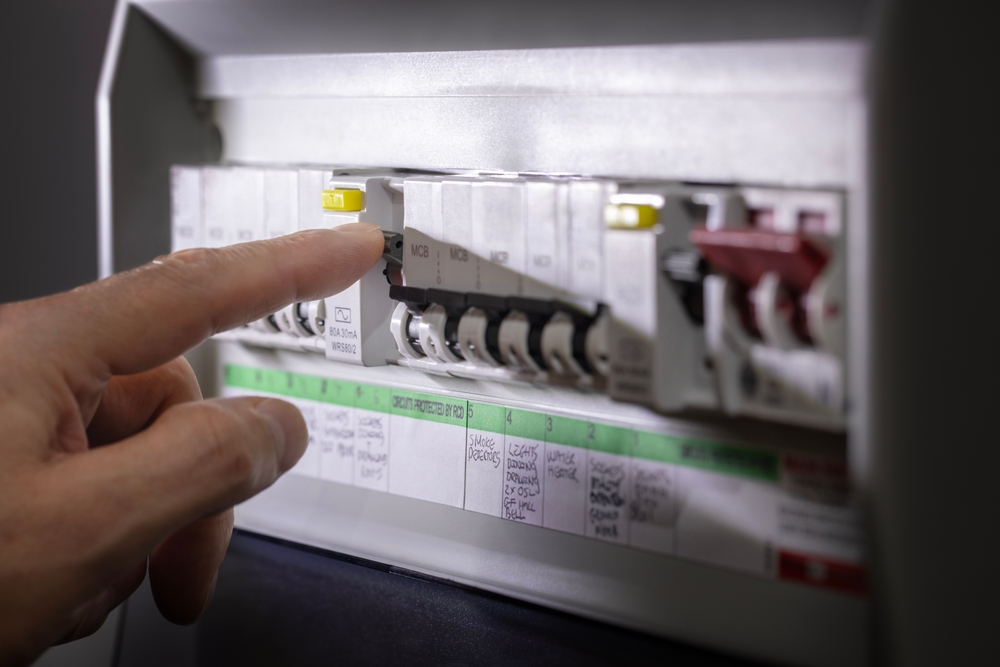
Circuit breakers act as the safety valves for your home. They monitor the flow of electricity and automatically cut the power when a circuit becomes overloaded. A breaker tripping occasionally because you ran the vacuum and the space heater simultaneously is normal.
However, if a specific breaker trips constantly, you have a serious underlying problem. The circuit might be carrying a dangerous amount of current, or the breaker itself might be degrading. Instead of just flipping the switch back on, you need expertelectrical troubleshooting in Sacramento to trace the exact source of the fault.
The Lifesaving Power of GFCI and AFCI Protection
Modern electrical codes mandate specific safety devices designed to protect human life and property. Ground Fault Circuit Interrupters (GFCIs) and Arc Fault Circuit Interrupters (AFCIs) represent two of the most important advancements in residential safety.
What is a GFCI Outlet?
GFCI outlets monitor the balance of electrical current moving through a circuit. If the device detects even a tiny leak of current—such as electricity traveling through water or a person—it cuts the power in milliseconds. This rapid response prevents severe electrocution.
You can easily identify GFCI outlets by the “Test” and “Reset” buttons located on the faceplate. Sacramento building codes require GFCI protection in any room where electricity and water might interact. This includes bathrooms, kitchens, laundry rooms, unfinished basements, and all outdoor receptacles.
The Role of AFCI Breakers
While GFCIs protect against shocks, AFCI devices protect against fires. An AFCI breaker sits in your main electrical panel and actively monitors the circuit for dangerous electrical arcs. Arcing occurs when wires are damaged by nails, pinched by furniture, or simply degrade over time from old age.
An AFCI detects the unique electrical signature of a dangerous arc and instantly shuts down the circuit before the heat can ignite the surrounding wood or insulation. Modern codes require AFCI protection for nearly all living spaces in a home, including bedrooms, living rooms, and dining areas.
Testing Your Safety Devices
Having these protective devices installed is only the first step. You must verify they actually work. Experts recommend testing your GFCI outlets and AFCI breakers once a month.
To test a GFCI, plug a small lamp into the outlet and turn it on. Press the “Test” button on the outlet faceplate. The lamp should immediately turn off, and the “Reset” button should pop out. If the lamp stays on, the GFCI has failed and requires immediate replacement. Press the “Reset” button to restore power after a successful test.
Childproofing Your Home’s Electrical System
Children are naturally curious. They explore their environment by touching, pulling, and sometimes trying to insert objects into small spaces. An unprotected electrical system poses a massive threat to young children. Childproofing your wiring requires a proactive approach.
Installing Tamper-Resistant Receptacles
Plastic outlet covers used to be the standard method for childproofing. Unfortunately, determined toddlers can easily defeat these small plastic plugs, which then become a choking hazard. The modern, much safer solution involves upgrading your outlets entirely.
Tamper-Resistant Receptacles (TRRs) feature internal spring-loaded shutters. These shutters block the slots on the outlet. They only open when two prongs from an actual electrical plug are inserted simultaneously with even pressure. A child attempting to push a hairpin or paperclip into a single slot will find the path completely blocked. Replacing your standard outlets with TRRs provides permanent, built-in protection.
Cord Management and Hidden Hazards
Exposed electrical cords present dual hazards for young children: electrocution and strangulation. You must actively manage the cords running throughout your home. Keep appliance cords on kitchen counters pushed far back so small hands cannot grab them and pull heavy appliances down.
In living rooms and bedrooms, secure loose cords behind furniture or use cable management boxes. Never run extension cords under rugs or carpets. Walking over a hidden cord eventually crushes the wire insulation inside, creating a hidden fire risk directly beneath a flammable surface.
Outdoor Electrical Safety in Sacramento
Sacramento experiences scorching summer days and heavy winter rains. Your outdoor electrical system must withstand these harsh environmental shifts while providing safe power for landscaping, pool equipment, and outdoor living spaces.
Weatherproofing Outlets and Fixtures
Standard indoor outlets cannot survive outside. Every exterior receptacle must feature a heavy-duty, weather-resistant cover. The safest option is an “in-use” cover, which resembles a clear plastic bubble. This cover allows you to keep an item plugged in while maintaining a completely waterproof seal against rain and sprinkler runoff.
Furthermore, all outdoor light fixtures must carry a specific rating for wet or damp locations. Moisture entering a standard fixture causes rapid corrosion, leading to massive short circuits. Regularly inspect your exterior lights to ensure the waterproof gaskets remain intact and free of dry rot.
Safe Landscaping Practices Near Power Lines
Maintaining your yard requires careful attention to overhead and underground power lines. Before you begin any major digging project to plant a tree or install a fence, you must call the local utility marking service. They will flag the exact location of underground electrical lines, preventing you from accidentally slicing through a live wire with a shovel.
For overhead lines, keep your trees and tall shrubs heavily trimmed. Branches rubbing against a power line can strip the protective casing over time, electrifying the tree and creating a major fire hazard. If a branch grows too close to a main utility line, always hire a professional tree trimming service. Never attempt to prune near high-voltage lines yourself.
The Hidden Dangers of DIY Electrical Work
The internet is filled with articles and videos demonstrating how to wire a new outlet or replace a light fixture. While these resources make the process look incredibly straightforward, they routinely gloss over the invisible dangers of electricity. DIY electrical work is a massive gamble.
Why Online Tutorials Fall Short
A video cannot tell you if your home’s underlying wiring is degraded. It cannot confirm if your main panel has enough capacity to handle the new circuit you are trying to install. When untrained individuals attempt electrical repairs, they make critical errors.
Amateurs frequently use the wrong gauge of wire, strip too much insulation off the ends, or fail to secure connections inside the junction box. A loose connection might power the device perfectly for three months before generating enough heat to spark a fire inside the wall. Electrical work requires total precision and a deep understanding of physics that takes years to master.
Code Compliance and Insurance Risks
Local building codes exist solely to protect your life and property. Sacramento maintains strict regulations regarding how electrical systems must be installed and tested. Licensed electricians understand these codes intimately and ensure every repair meets the legal standard.
When you perform unpermitted, amateur electrical work, you jeopardize your homeowner’s insurance policy. If a fire starts due to faulty DIY wiring, the insurance investigator will easily trace the source. Your insurance company can legally deny your claim based on unauthorized modifications, leaving you financially responsible for the entire loss of your home.
Upgrading Outdated Electrical Infrastructure
Houses age, and the infrastructure inside them degrades over time. If you live in one of Sacramento’s older, historic neighborhoods, your electrical system might severely lag behind modern safety standards. You must evaluate the core components of your home’s power grid to ensure they can handle today’s massive electrical demands.
When to Consider Whole-House Rewiring
Homes built before the 1970s often feature outdated wiring methods, such as aluminum wiring or the highly dangerous knob-and-tube system. These older systems lack a vital safety feature: the grounding wire. Without a ground wire, any stray electrical current has nowhere safe to travel, increasing the risk of severe shocks and fires.
Furthermore, the cloth or rubber insulation surrounding old wires becomes brittle and crumbles over the decades, leaving bare, live metal exposed inside your walls. If your home still relies on these outdated systems, investing in whole-house rewiring provides the ultimate safety upgrade. Replacing the old wires with modern, grounded copper ensures your home operates safely for the next several decades.
The Importance of an Electrical Panel Upgrade
Your main electrical panel controls the distribution of power to every room in your house. Older panels, particularly those rated for only 60 or 100 amps, simply cannot support the energy footprint of a modern family. Running smart appliances, dual HVAC units, and heavy electronics simultaneously quickly overwhelms an old box.
When an old panel becomes overloaded, the breakers fail to trip when they should, causing the internal bus bars to overheat and melt. Upgrading your infrastructure with a modern electrical panel upgrade expands your capacity to 200 amps or more. This upgrade allows your system to distribute power smoothly, cleanly, and safely without straining the components.
The Importance of Professional Electrical Inspections
Preventative maintenance saves lives and money. You do not wait until your car’s engine seizes to take it to the mechanic. Similarly, you should not wait for a fiery spark to call an electrician. Routine inspections form the backbone of a safe residential electrical system.
Buying, Selling, or Renovating
Any major transition in your home’s lifecycle warrants a thorough electrical review. If you are purchasing a new home, a standard home inspector will only perform a basic visual check of the outlets and panel. You need a licensed electrician to evaluate the deep integrity of the system before you finalize the purchase.
Likewise, if you are planning a major kitchen remodel or a room addition, you must assess the current infrastructure first. Adding an entirely new room onto an outdated, struggling panel guarantees major performance issues and safety hazards down the line.
Routine Maintenance for Peace of Mind
For homes older than 10 years, a periodic checkup catches small problems before they escalate. A trained professional will test your ground system, verify your breakers are functioning perfectly, and check all visible wiring for signs of thermal damage.
Scheduling an annual electrical inspection in Sacramento provides incredible peace of mind. The technician uses specialized tools like thermal imaging cameras to see the heat signatures inside your walls, locating dangerous loose connections that remain completely invisible to the naked eye. Catching a deteriorating wire early prevents a catastrophic emergency later.
Conclusion
Your home should be your ultimate safe haven. Protecting that sanctuary requires a basic understanding of your electrical system and a commitment to proactive maintenance. By familiarizing yourself with the warning signs of faulty wiring, testing your protective devices, and keeping hazards away from children, you actively reduce the risk of tragedy.
However, the most important electrical safety tip for any homeowner is knowing when to call the experts. Electricity is relentlessly unforgiving. Attempting to bypass professional help to save a few dollars puts your property and your family directly in harm’s way.
Do not ignore that flickering light or that constantly tripping breaker. Rely on certified professionals to keep your electrical infrastructure robust, legally compliant, and completely safe. Reach out to TNT Electric today to schedule a comprehensive review of your system and enjoy total peace of mind under your own roof.
Our Services at a Glance
At TNT Electric, we are a licensed electrical company based in Citrus Heights, CA, proudly serving the Sacramento area with dependable, professional service.
View Services