

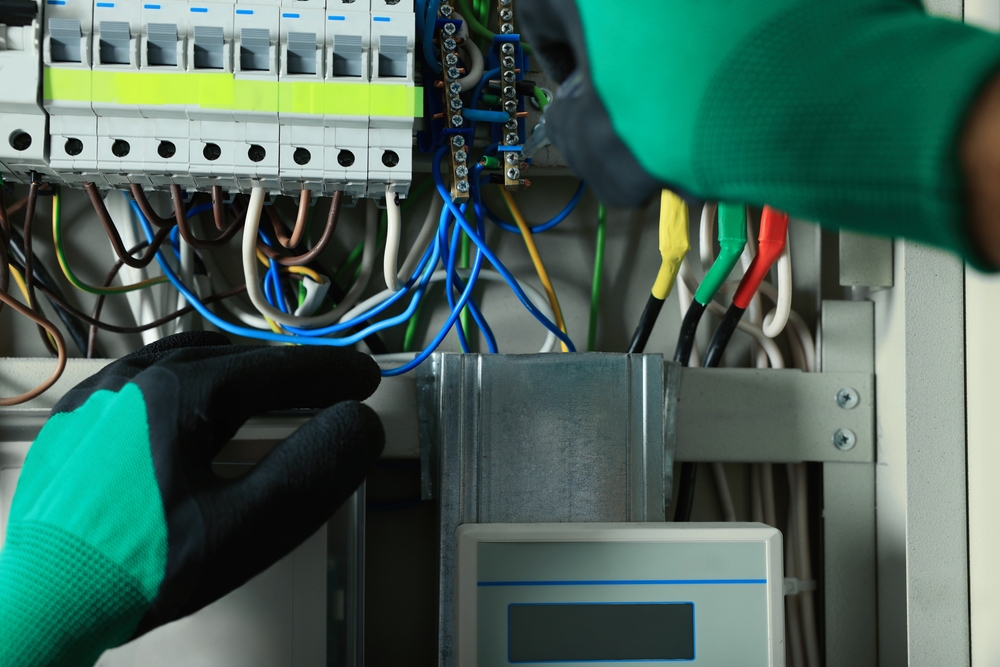
You flip a light switch, and nothing happens. You check your garage or basement, find a tripped breaker, and reset it. A few days later, the exact same thing occurs. Your home relies heavily on its electrical panel to safely distribute power to every room, appliance, and device. When that system starts showing signs of stress, you face a critical decision. Do you simply replace a faulty component, or is it time to upgrade the entire system?
Making the wrong choice can lead to frustrating power outages, expensive appliance damage, or catastrophic electrical fires. The electrical demands of a modern home look vastly different than they did twenty, or even ten, years ago. From advanced heating and cooling systems to high-tech kitchens, we ask our electrical infrastructure to handle immense daily loads.
This guide breaks down exactly how to evaluate your current electrical setup. We will explore the vital differences between a simple repair and a comprehensive system overhaul. You will learn how the extreme Sacramento climate impacts your power needs, the hidden dangers of legacy panels, and how to ensure your home remains safe, efficient, and fully compliant with modern building codes.
Understanding Your Home’s Electrical Heart
Before you can decide whether to repair or replace your system, you must understand how it operates. The electrical panel serves as the central command station for your property.
The Role of the Electrical Panel
Power flows from the utility grid directly into your electrical meter, and from the meter into your main panel. The panel divides this massive flow of raw energy into smaller, manageable branch circuits. Each circuit provides power to specific areas, like your kitchen outlets, your bedroom lighting, or your major appliances.
Circuit breakers sit on each of these branch circuits. They act as essential safety valves. If a circuit draws more current than the physical wire can safely handle, the breaker trips. This immediately stops the flow of electricity, preventing the wire from melting and starting a fire inside your walls.
Replacement vs. Upgrading: What Is the Difference?
Many people use the terms “replacement” and “upgrade” interchangeably, but they represent two entirely different scopes of work.
A replacement typically refers to swapping out a broken component for a functioning one of the exact same size and capacity. If a 15-amp breaker fails, an electrician installs a new 15-amp breaker. The overall power capacity of your home remains exactly the same.
An upgrade involves completely removing the existing panel enclosure and installing a larger, higher-capacity unit. This process increases the total volume of electricity your home can safely draw from the utility grid. It often involves running new, thicker service wires from the street and driving new grounding rods to meet modern safety standards.
Signs You Need a Simple Circuit Breaker Replacement
Not every electrical hiccup requires tearing out your entire panel. Sometimes, the issue remains isolated to a single, aging component. Mechanical devices degrade over time, and circuit breakers are no exception.
Isolated Tripping and Localized Issues
If your entire electrical system functions perfectly, but one specific breaker trips constantly, you might just have a bad breaker. The internal springs and bimetallic strips inside these devices lose their tension after years of use. When this happens, the breaker might trip at a much lower electrical load than it should.
If an electrician tests the circuit and confirms the wire is not overloaded and no short circuits exist, a simple circuit breaker replacement is usually the correct path. This targeted repair restores power safely without requiring a massive financial investment.
Physical Damage to a Single Breaker
Sometimes, moisture or a localized power surge damages a single breaker. You might notice the plastic casing looks slightly warped, or the switch feels spongy and refuses to click firmly into the “on” or “off” position.
If the damage is clearly isolated to one switch and the main bus bar inside the panel remains clean and shiny, swapping that single breaker makes sense. However, this repair must be performed by a licensed professional. Forcing the wrong brand of breaker into the panel creates a severe fire hazard.
When a Full Electrical Panel Upgrade is Mandatory
While replacing a single breaker fixes localized problems, it does nothing to solve systemic power shortages. If your home simply lacks the total amperage required to support your lifestyle, you need a comprehensive upgrade.
The Demands of Modern Home Appliances
Homes built in the 1960s, 70s, and 80s often feature 100-amp or even 60-amp electrical panels. At the time of construction, this provided plenty of power for standard lighting, a basic refrigerator, and a television.
Today, our daily power consumption has skyrocketed. We use induction cooktops, dual electric ovens, high-capacity dryers, and massive smart refrigerators. A 100-amp panel simply cannot distribute enough power to run multiple heavy-duty appliances simultaneously. If your lights dim every time the microwave turns on, or if you constantly have to turn off the space heater to run the vacuum, your system is crying out for an electrical panel upgrade.
The Sacramento Climate and HVAC Loads
Living in Sacramento means dealing with intense, sustained summer heat. A robust air conditioning system is not a luxury; it is an absolute necessity for survival and comfort.
Modern HVAC systems run highly efficiently, but they still pull a massive initial surge of power every time the compressor kicks on. Older electrical panels struggle to handle this sudden demand. If your breakers trip during the hottest days of the year, your panel is actively failing to support your cooling needs. Upgrading to a higher-capacity panel ensures your air conditioning runs flawlessly, keeping your family safe and comfortable when temperatures soar into the triple digits.
Preparing for Electric Vehicles
The transition to electric vehicles is accelerating rapidly. Charging an EV at home offers incredible convenience, but it requires a massive amount of electrical infrastructure.
A Level 2 EV charger typically requires a dedicated 240-volt circuit and pulls anywhere from 30 to 50 amps of continuous power. If you try to add a 50-amp load to an old 100-amp panel, you will instantly overload the entire system. Before purchasing an electric vehicle, you must evaluate your panel’s capacity. For most homeowners, professional EV charger installation in Sacramento goes hand-in-hand with a full panel upgrade to ensure the vehicle charges quickly and safely overnight.
The Dangers of Legacy Electrical Panels
Sometimes, the decision to upgrade has nothing to do with power capacity and everything to do with imminent physical danger. Certain legacy panel brands installed decades ago contain fatal design flaws. If you have one of these panels in your home, upgrading is not optional; it is an urgent life-safety requirement.
Federal Pacific and Zinsco Panels
During the residential housing booms of the mid-20th century, millions of homes were fitted with panels manufactured by Federal Pacific Electric (FPE) and Zinsco. Decades later, safety investigators discovered that these panels suffer from catastrophic failure rates.
Federal Pacific “Stab-Lok” breakers are notorious for failing to trip during severe overloads. Instead of cutting the power, they allow the wires to superheat and catch fire. Zinsco panels suffer from a different design flaw where the breakers actively melt and fuse to the main bus bar. Once fused, they cannot trip, creating an unstoppable flow of raw electricity.
You cannot simply replace the breakers in these panels because the core design of the enclosure itself is fundamentally unsafe. If you open your panel door and see the FPE or Zinsco logo, you must schedule a total system replacement immediately to protect your home from a devastating electrical fire.
Insurance Implications of Outdated Panels
Insurance companies closely monitor the risks associated with residential properties. Because FPE, Zinsco, and older fuse boxes have a proven track record of causing catastrophic house fires, many insurance providers refuse to cover homes that still use them.
If you attempt to buy a home with a legacy panel, your insurance provider may demand an immediate upgrade before binding the policy. If you already own the home and your provider discovers the outdated panel during a routine review, they can cancel your coverage entirely or drastically increase your premiums. Upgrading your electrical panel secures your insurance coverage and provides absolute peace of mind.
Navigating Code Compliance and “Grandfathered” Status
Electrical codes exist for a single reason: to prevent properties from burning down. These codes update every few years to incorporate new safety technologies and address newly discovered hazards. Navigating these rules requires professional expertise.
What Does Grandfathered Mean?
When the city updates its electrical code, they do not force every homeowner to immediately tear out their walls and rebuild their electrical systems. Existing systems that met the code at the time of their installation are typically “grandfathered” in. This means they are legally allowed to remain in use, even if they do not meet modern standards.
However, grandfathered status is incredibly fragile. It only applies as long as you do not alter the system. The moment you decide to remodel your kitchen, add a new bathroom, or install a heavier-duty appliance, you lose that status. Any new electrical work must comply completely with the most current safety codes.
When Upgrades Trigger New Code Requirements
Upgrading your main panel almost always triggers a review of your home’s entire electrical safety profile. Modern codes require advanced protection, such as Arc Fault Circuit Interrupters (AFCIs) for living areas and Ground Fault Circuit Interrupters (GFCIs) for wet areas.
When you install a new panel, you must include these advanced breakers. In some older homes, the existing wiring inside the walls is too degraded to support modern safety devices, or the home lacks proper grounding altogether. In these severe cases, a panel upgrade might reveal the need for whole house rewiring to truly bring the property up to a safe, livable standard.
The Benefits of 200-Amp Electrical Service
When electricians perform a panel upgrade, they typically recommend increasing the home’s total capacity to 200 amps. This has become the gold standard for modern residential properties.
Future-Proofing Your Sacramento Home
A 200-amp panel provides a massive reservoir of power. It allows you to run your central air conditioning, dual ovens, electric dryer, and EV charger all at the exact same time without tripping a single main breaker.
More importantly, it future-proofs your property. As we continue to shift away from gas appliances toward high-efficiency electric heat pumps and induction stoves, your electrical demands will only grow. A 200-amp panel ensures you have the physical space and the electrical capacity to seamlessly integrate whatever new technology hits the market over the next thirty years.
Enhancing Home Value and Safety
An upgraded electrical panel is a massive selling point for prospective buyers. When people tour homes in Sacramento, they want to know the air conditioning is reliable and that they can plug in their modern devices safely.
A brand-new panel demonstrates that the home is meticulously maintained. It eliminates buyer anxiety regarding hidden electrical fires and expensive post-move-in repairs. Furthermore, modern panels feature advanced grounding systems that protect your sensitive electronics from destructive power surges. You protect your family today while significantly increasing the marketability of your property tomorrow.
Making the Right Decision for Your Home
Determining whether you need a simple repair or a full panel upgrade requires a detailed understanding of electricity, local building codes, and your specific daily usage habits. You should never guess when it comes to high voltage.
Scheduling a Professional Electrical Inspection
The safest and most cost-effective way to evaluate your system is to bring in a licensed professional. An expert will open the panel, check for hidden thermal damage, evaluate the tension on the main bus bars, and perform a detailed load calculation based on your current appliances.
By scheduling a comprehensive electrical inspection in Sacramento, you eliminate the guesswork. You receive a clear, factual assessment of your home’s safety profile. Whether you need a single breaker replaced or a brand-new 200-amp command center, a professional ensures the work is done flawlessly, legally, and safely.
Conclusion
Your electrical panel carries a heavy burden every single day. As you introduce more advanced appliances, heavy-duty HVAC systems, and electric vehicles into your Sacramento home, that burden only increases. While a simple breaker replacement can fix minor, isolated issues, it cannot magically create more power.
If your lights flicker, your breakers trip constantly, or you own a dangerous legacy panel, you cannot afford to wait for a catastrophic failure. Take a proactive stance on your family’s safety and your home’s functionality. Upgrade your electrical panel to secure a reliable, high-capacity power foundation that supports your modern lifestyle and protects your most valuable asset for decades to come.
Our Services at a Glance
At TNT Electric, we are a licensed electrical company based in Citrus Heights, CA, proudly serving the Sacramento area with dependable, professional service.
View Services

