

If you live in one of Sacramento’s beautiful historic neighborhoods, you might already suspect your electrical system is showing its age. Flickering lights, frequently tripped breakers, and outdated two-prong outlets are common frustrations. Eventually, these minor annoyances escalate into serious safety hazards that require a permanent solution.
When homeowners realize they need to replace their aging electrical systems, their first question usually revolves around cost. However, their immediate second question is almost always about the schedule. Understanding the timeline of a major electrical project helps you plan your life, manage disruptions, and set realistic expectations for the work ahead.
Replacing the hidden nervous system of your house is not a weekend project. It requires careful planning, municipal oversight, and skilled labor. This guide will walk you through the entire timeline of a residential rewiring project in Sacramento. We will break down the process phase by phase, explore the factors that speed up or slow down the work, and explain how local utility coordination impacts your schedule.
The Short Answer: Average Timelines for Rewiring
Every house presents unique challenges, making it impossible to give a one-size-fits-all timeline. However, professional electricians can provide a reliable estimate based on the size and condition of your property.
For a standard, single-family home in Sacramento, a complete rewiring project typically takes between one to three weeks of active labor. A small, accessible bungalow might take five to seven days. Conversely, a large, multi-story historic home with complex architectural features can take up to four weeks to complete.
This one-to-three-week estimate covers the physical labor of running new wires and installing devices. It does not account for the preliminary planning, the permit approval process, or the final drywall repairs. To understand the true duration of the project, we must look at the specific variables that influence the workflow.
Key Factors That Impact Your Rewiring Timeline
Two houses with the exact same square footage can have drastically different project timelines. The speed of a rewiring job depends heavily on the physical characteristics of the building.
The Accessibility of Your Walls and Floors
Electricians need pathways to route new copper cables from your main breaker box to every room in the house. If your home has a spacious, unfinished attic and a roomy crawlspace beneath the floorboards, the project will move quickly. Electricians can easily pull wires through these open areas and drop them down into the wall cavities.
If your home sits on a concrete slab, lacks an attic, or features flat vaulted ceilings, accessibility drops to zero. In these situations, the electrical team must cut extensive trenches into your drywall or ceilings to route the new cables. Creating these pathways, and working around existing plumbing and HVAC ducts, adds days to the overall project timeline.
Wall Materials: Drywall vs. Lath and Plaster
The interior construction of your home heavily dictates the speed of the job. Modern homes use drywall, which is relatively easy to cut into and patch. Electricians can quickly open a clean hole in drywall to fish wires through the studs.
However, many older homes in East Sacramento, Midtown, and Land Park feature original lath and plaster walls. Plaster is thick, brittle, and notoriously difficult to work with. Cutting into plaster without causing massive structural cracking requires specialized tools, immense patience, and significant time. If your home has plaster walls, expect the timeline for your whole house rewiring to increase by several days.
Occupied vs. Unoccupied Homes
It is entirely possible to live in your home while electricians rewire it, but doing so slows down the process. When a house is occupied, the crew must clean up their tools, sweep up dust, and restore temporary power at the end of every single workday. They also have to work around your furniture and daily routines.
If the house is vacant, the team can move much faster. They can leave their tools in place, work in multiple rooms simultaneously, and leave the power shut off continuously. Moving out of the house for a week or two is often the best way to expedite the project.
The Sacramento Home Rewiring Process: Phase by Phase
To truly grasp how long the project will take, you need to understand the sequential phases of the job. A professional electrical upgrade is a highly structured process.
Phase 1: Planning, Permitting, and Preparation
Estimated Time: 2 to 4 weeks (Prior to construction)
The physical work cannot begin the moment you sign a contract. First, your electrical contractor must map out the new system and pull the required permits from your local building department. The City of Sacramento, as well as surrounding municipalities, strictly enforce building codes to ensure safety.
During this phase, you should schedule a comprehensive electrical inspection in Sacramento. The electrician will assess your current electrical load, identify any dangerous legacy wiring like knob and tube, and finalize the design of your new circuits.
Depending on the backlog at the city permit office, waiting for official approval can take a few weeks. Fortunately, this phase requires no active construction, so your daily life remains entirely uninterrupted.
Phase 2: The “Rough-In” Stage
Estimated Time: 3 to 10 days
Once the permits are approved, the messy work begins. The rough-in phase is the most labor-intensive part of the project. During this stage, electricians do not install light fixtures or plug outlets. Instead, they focus entirely on routing the physical cables behind your walls.
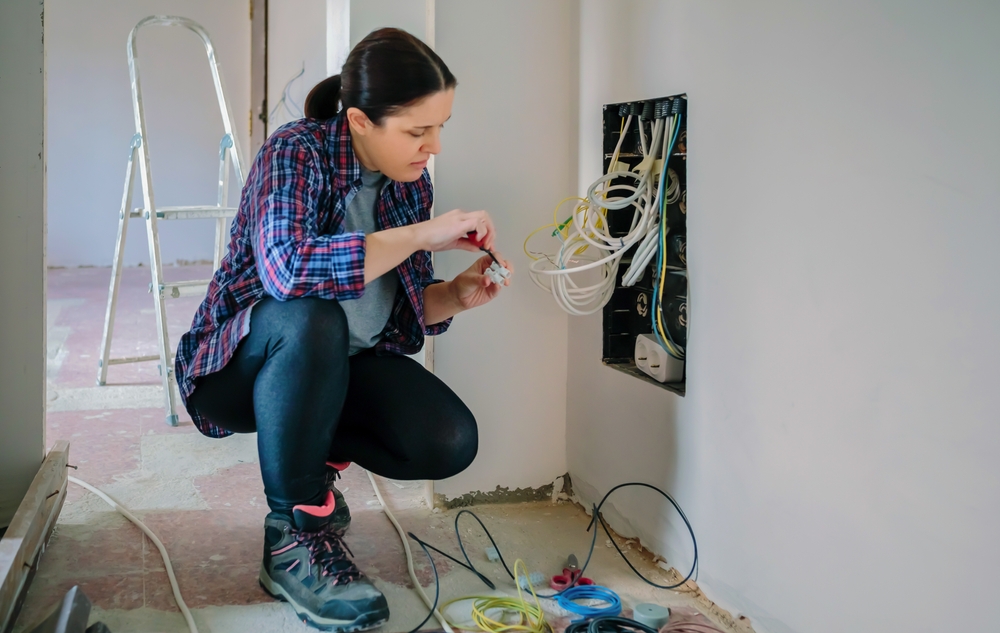
The team will cut access holes, drill through wooden studs, and run thousands of feet of brand-new copper wire. They will also mount the plastic or metal junction boxes inside the walls where your new outlets and switches will eventually sit.
If you are currently relying on temporary fixes or dealing with mysterious power losses, this is the phase where all old, hazardous materials are disconnected. If you previously called forelectrical troubleshooting in Sacramento to fix a sparking outlet, the rough-in phase ensures those dangerous old wires are completely abandoned and replaced.
Phase 3: The Finishing Stage
Estimated Time: 2 to 5 days
After the rough-in work is complete and passes an initial city inspection, the project moves to the finishing stage. This is when your house starts to look like a home again.
During the finishing phase, electricians connect the devices to the newly run wires. They install all the wall outlets, light switches, dimmer controls, and lighting fixtures. They also connect heavy-duty circuits for your major appliances, such as your HVAC system, electric oven, and clothes dryer.
This is also the time when the team will tie everything into your new main breaker box. Upgrading old wiring almost always requires a modern electrical panel upgrade to handle the increased capacity safely. The electricians will install the new breakers, label the panel clearly, and ensure every single circuit is properly grounded.
Phase 4: Final Inspections and Drywall Repair
Estimated Time: 1 to 2 weeks (Post-electrical work)
Once the electricians finish their work and test every circuit, the city inspector returns for a final walkthrough. The inspector verifies that all work meets the National Electrical Code (NEC) and local Sacramento safety standards. Passing this inspection officially closes your permit.
However, your home is not completely back to normal just yet. You will still have access holes in your walls and ceilings from the rough-in phase. Electricians are not drywall finishers or painters. You will need to hire a drywall contractor to patch the holes, match the texture of your walls, and repaint the affected areas. Coordinating this final cosmetic step usually adds an extra week to the total timeline.
Coordinating with Sacramento Utility Companies
One major factor that can influence your timeline is coordination with local utility providers. In the Sacramento area, this usually means dealing with SMUD (Sacramento Municipal Utility District) or PG&E (Pacific Gas and Electric).
When you upgrade your main electrical panel to handle a new 200-amp service, the utility company must get involved. They have to physically disconnect the power from the grid at your weatherhead or underground vault before the electrician can safely swap out the main panel.
Once the new panel is installed and inspected, the utility company must return to reconnect the power. Scheduling these disconnects and reconnects requires precise timing. Delays from the utility company due to severe weather or high service volumes can occasionally pause your project for a day or two. Experienced local electricians know how to manage this coordination to minimize any downtime.
How to Prepare Your Home and Avoid Delays
While you cannot control the building department or the utility company, you can take steps to keep the project moving swiftly. Proper preparation on your end helps the electrical team work efficiently.
Clear the Workspaces
Electricians need physical space to maneuver their ladders, unspool large rolls of wire, and access your wall outlets. Before the crew arrives, move your furniture away from the walls and into the center of the room.
You should also clear out the areas where the electrical panel is located. If your breaker box is in the garage, move boxes and storage bins at least three feet away. Finally, ensure that the access panels to your attic and crawlspaces are completely unobstructed.
Communicate Your Future Needs
Changing the scope of the project halfway through construction guarantees delays. Take time during the planning phase to think about your future energy needs. Do you plan to buy an electric vehicle next year? Let your electrician know so they can run a dedicated circuit to the garage now.
Are you planning to remodel the kitchen or add a hot tub? Mentioning these details early allows the electrical team to size your new panel correctly and run the appropriate wires during the rough-in phase, saving you time and money down the road.
Conclusion: Planning for a Safer Home
Rewiring your entire house is a major undertaking, but understanding the timeline makes the process much more manageable. For most Sacramento homeowners, the physical electrical work takes between one and three weeks, depending on the home’s size, accessibility, and wall materials.
While living through a brief construction phase requires patience, the long-term benefits are immeasurable. Replacing outdated wiring eliminates severe fire hazards, protects your expensive electronics, and ensures your home can safely handle the demands of modern technology.
Do not let the fear of a temporary disruption keep you living with dangerous electrical systems. Take the first step toward a safer, more reliable home today. Contact a licensed professional to schedule a thorough evaluation of your property and receive a customized timeline for your specific rewiring project.
Our Services at a Glance
At TNT Electric, we are a licensed electrical company based in Citrus Heights, CA, proudly serving the Sacramento area with dependable, professional service.
View Services

