

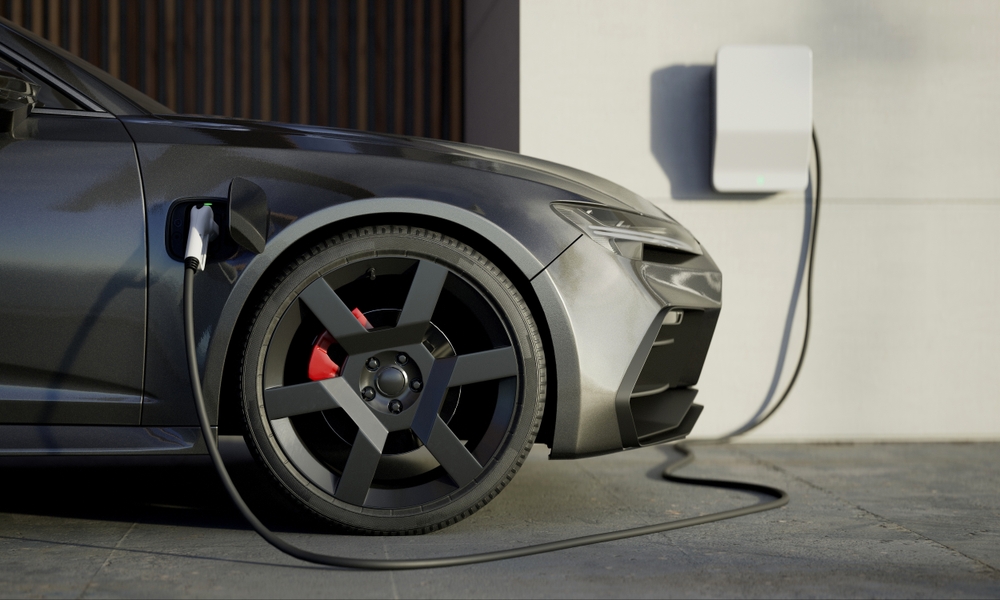
Bringing home a new electric vehicle is an exciting milestone. You get to bypass the gas station, reduce your carbon footprint, and enjoy a quiet, smooth ride. However, the convenience of charging your car at home requires more than just buying a wall unit and plugging it in. Your home’s electrical system must have the capacity to handle this massive new power demand.
Many homeowners rush into purchasing charging equipment without evaluating their existing infrastructure. Installing a Level 2 charger on an outdated or undersized electrical panel creates severe safety hazards. It can lead to tripped breakers, melted wires, and devastating electrical fires. Before you connect a high-voltage appliance to your home, you must understand your system’s limits.
This comprehensive guide explains exactly when and why you need an electrical panel upgrade before adding an EV charger. We will explore the critical importance of load calculations, how to spot an undersized panel, and the dangers of overloading old systems. By the end, you will know exactly what steps to take to ensure a safe, efficient charging setup for your Sacramento home.
Understanding Your Home’s Electrical Capacity
Your electrical panel acts as the heart of your home’s power distribution system. It takes electricity supplied by your local utility company and safely routes it to your lights, outlets, and heavy appliances. Every panel has a strict limit on how much power it can handle simultaneously.
The Role of the Main Breaker
When you open your electrical panel, you will see a large switch at the very top or bottom. This is the main breaker. It dictates the maximum total amperage your home can safely draw at any given moment. If your combined appliances try to pull more power than this rating allows, the main breaker trips to prevent the system from overheating and catching fire.
Most older homes feature a 100-amp main breaker. Decades ago, 100 amps provided plenty of power for standard lighting, a refrigerator, and a television. However, modern lifestyles require significantly more electricity. Central air conditioning, electric ovens, hot tubs, and EV chargers consume massive amounts of power.
The 100-Amp vs. 200-Amp Difference
Today, the standard for new home construction is a 200-amp electrical panel. A 200-amp service provides double the capacity of older homes. It gives you the headroom necessary to run your HVAC system on a hot Sacramento afternoon while simultaneously cooking dinner and charging your electric car.
If your home currently runs on a 100-amp service, adding an EV charger almost guarantees you will exceed your safe capacity. A Level 2 charging station typically requires a dedicated 40-amp to 60-amp circuit. Attaching a 50-amp continuous load to a 100-amp panel consumes half of your home’s total available power. Upgrading your system through a professional electrical panel upgrade becomes a strict necessity to maintain safety and functionality.
Why Electrical Load Calculations Are Critical for EV Safety
You cannot determine if your panel needs an upgrade simply by looking at empty breaker slots. Even if your panel has physical room for a new double-pole breaker, the overall service capacity might be maxed out. This is why professional electricians rely on formal load calculations.
How an EV Charger Changes Your Power Draw
An electric vehicle charger operates differently than most household appliances. A microwave or a toaster draws high power for only a few minutes. Electrical codes classify EV chargers as “continuous loads” because they draw maximum amperage for three hours or more without interruption.
Continuous loads generate a significant amount of heat within your wiring and your electrical panel. Because of this sustained heat generation, safety codes dictate that an EV charger circuit can only be loaded to 80% of its maximum rating. For example, to charge your car at 40 amps, you must install a 50-amp breaker and properly sized wiring. This massive, sustained energy draw drastically alters your home’s total energy profile.
The Math Behind the Load Calculation
Before a city building department approves an EV charger permit, they require a formal residential load calculation. A licensed electrician performs this calculation using strict formulas defined by the National Electrical Code (NEC).
The electrician calculates the square footage of your home to determine baseline lighting and receptacle loads. They then factor in your large appliances, such as your electric dryer, water heater, oven, and HVAC system. Finally, they add the continuous load of the proposed EV charger. If the final number exceeds your main breaker’s rating, your current panel fails the safety test. Attempting to bypass this calculation and install the charger anyway is highly dangerous.
Signs Your Sacramento Home Needs an Electrical Panel Upgrade
While a formal load calculation provides the definitive answer, several warning signs indicate your home requires an upgrade. If you notice any of these issues, you must contact a professional before purchasing EV charging equipment.
Tripping Breakers and Flickering Lights
If your circuit breakers trip frequently during normal daily activities, your system is already struggling. Tripping breakers indicate that a specific circuit is overloaded or that a dangerous short circuit exists.
Similarly, if your lights dim or flicker when your air conditioner kicks on or when you use a hair dryer, your electrical panel is experiencing voltage drops. An electrical system that cannot handle a vacuum cleaner without dimming the lights will fail catastrophically when introduced to a 50-amp EV charger. If you experience these symptoms regularly, schedule professional electrical troubleshooting in Sacramento immediately.
Outdated or Unsafe Panel Brands
The age and brand of your existing panel heavily influence the need for an upgrade. Homes built in the 1970s and 1980s often feature electrical panels manufactured by Zinsco or Federal Pacific Electric (FPE).
These specific brands are notorious for severe manufacturing defects. Their breakers frequently fail to trip during an overload, leading directly to electrical fires. If your home contains a Zinsco or FPE panel, adding an EV charger is an absolute non-starter. You must replace these hazardous panels immediately to protect your property and your family.
Lack of Physical Space for New Breakers
Sometimes, a home has adequate overall electrical capacity, but the panel box is physically full. A Level 2 EV charger requires a dedicated double-pole breaker, which takes up two full slots in your panel.
If you open your panel door and see no empty spaces, you cannot add a new circuit. While some electricians use “tandem breakers” to squeeze more circuits into a small box, local codes strictly limit this practice. A crowded, messy panel often necessitates an upgrade to a larger enclosure to ensure proper wire management and heat dissipation.
Exploring Subpanels as an Alternative Solution
If your load calculation shows that your 200-amp main service has plenty of capacity, but your physical panel lacks space, a full replacement might not be necessary. You can often solve space constraints by installing a subpanel.
When a Subpanel Makes Sense
A subpanel acts as an extension of your main electrical panel. An electrician installs a new, smaller breaker box near your main panel or directly in your garage. They run a heavy-duty feeder cable from the main panel to power the subpanel.
This creates fresh breaker space specifically for your garage. You can route your new EV charger, upgraded garage lighting, and heavy-duty power tools directly to this new box. Utilizing expert subpanel installation in Sacramento provides a clean, organized, and cost-effective way to expand your electrical footprint without the massive expense of tearing out your main service panel.
The Hidden Risks of Overloading Old Electrical Systems
Ignoring capacity limits and installing a high-powered charger on an inadequate system invites disaster. The risks extend far beyond a simple tripped breaker.
Fire Hazards and Overheating Wires
When you push more electricity through a panel than it is rated to handle, the internal metal busbars and copper wiring heat up rapidly. Over time, this intense heat melts the plastic insulation surrounding the wires.
Once the insulation degrades, bare wires can touch each other or ground out against the metal panel enclosure. This creates an arc fault—a localized explosion of electricity that instantly ignites surrounding building materials. Electrical fires spread quickly inside wall cavities, causing catastrophic damage before smoke detectors even sound.
Code Violations and Insurance Denials
Local building departments heavily regulate EV charger installations. Pulling a permit requires proof that your panel can handle the load. If you skip the permitting process to avoid an expensive panel upgrade, you violate building codes and state laws.
Unpermitted electrical work carries severe financial consequences. If an illegal installation causes a fire, your homeowner’s insurance provider will investigate the cause. Once they discover unpermitted, overloaded wiring, they hold the legal right to completely deny your claim. You would be financially responsible for rebuilding your home and replacing your vehicle out of your own pocket.
The Benefits of a Professional Panel Upgrade in California
While discovering you need an electrical panel upgrade adds an unexpected cost to your EV journey, it serves as an excellent long-term investment. Upgrading your system provides substantial benefits that improve your daily life and property value.
Maximizing Your EV Charger’s Speed
If you try to avoid a panel upgrade by installing a low-amperage charger, you sacrifice convenience. Limiting your EV charger to 16 or 20 amps means your car will take significantly longer to charge. You might wake up to a battery that is only half full.
Upgrading to a 200-amp service allows you to unlock the maximum potential of premium charging hardware. You can safely install a 48-amp or 50-amp charger, adding up to 40 miles of range per hour. This ensures your vehicle fully recharges overnight, regardless of how much you drove the previous day.
Future-Proofing for Solar and Electric Appliances
California actively pushes homeowners to transition away from fossil fuels. Over the next decade, more residents will replace gas furnaces with electric heat pumps, install induction cooktops, and add solar panels to their roofs.
A modern 200-amp electrical panel serves as the foundation for this clean energy transition. By upgrading your panel now for your EV charger, you future-proof your home. You will have the electrical infrastructure ready when you decide to install solar or upgrade your HVAC system, saving you from headaches down the road.
Increasing Your Home’s Resale Value
Prospective homebuyers increasingly look for properties equipped with modern electrical systems and EV charging capabilities. An aging 100-amp panel often becomes a massive sticking point during real estate negotiations, with buyers demanding thousands of dollars in concessions to cover the necessary upgrades.
Completing a permitted panel upgrade and EV charger installation makes your home highly desirable on the Sacramento real estate market. It signals to buyers that the home is well-maintained, safe, and ready for modern living.
Trusting Local Sacramento Experts for Your EV Journey
Determining whether your home needs an electrical upgrade is not a DIY project. It requires specialized training, a deep understanding of local building codes, and strict adherence to safety protocols. You need a trusted partner to guide you through the load calculations, permitting, and installation.
Before you purchase your charging hardware, schedule a comprehensive electrical inspection in Sacramento. A licensed professional will evaluate your panel, test your grounding system, and provide an honest assessment of your home’s capabilities.
If you do need an upgrade, working with experienced local electricians ensures the job is done right. They handle the complex coordination with your utility provider, secure the necessary city permits, and guarantee the work passes the final safety inspection.
At TNT Electric, we provide a full spectrum of high-quality electrical services tailored to modern homeowners. From complete panel replacements to flawless EV charger installation in Sacramento, our expert team delivers safe, reliable, and efficient solutions.
Protect your home, maximize your charging speeds, and drive with confidence. Contact a licensed professional today to evaluate your panel and take the next step in your electric vehicle journey safely and legally.
Our Services at a Glance
At TNT Electric, we are a licensed electrical company based in Citrus Heights, CA, proudly serving the Sacramento area with dependable, professional service.
View Services

