

Sacramento boasts some of the most beautiful historic neighborhoods in California. From the grand Victorians in Midtown to the charming Craftsman bungalows in East Sacramento and the classic mid-century builds of Land Park, these houses offer unmatched character. However, beneath the beautiful hardwood floors and behind the pristine plaster walls often lies an electrical system completely unequipped for modern living.
When you purchase or renovate an older property, addressing the electrical infrastructure is not just a recommendation; it is a critical safety requirement. Historic homes feature outdated wiring methods that pose significant fire hazards and fail to meet the demands of modern appliances, smart home devices, and HVAC systems.
This guide walks you through exactly what to expect when updating the electrical system in a historic Sacramento property. We will cover the specific architectural challenges of older homes, the dangers of legacy wiring systems, the permitting process, and how to modernize your space while preserving its original charm.
The Architectural Challenges of Historic Homes
Updating the wiring in a home built in 1920 is vastly different from working on a home built in 1990. Historic Sacramento properties present unique physical hurdles that require specialized knowledge and careful planning. Electricians cannot simply pull new wires through the walls without understanding the materials and construction techniques of the era.
Navigating Lath and Plaster Walls
Most homes built in Sacramento before the 1950s feature lath and plaster walls instead of modern drywall. Builders created these walls by nailing thin strips of wood (lath) horizontally across the wall studs and then pressing wet plaster over them. When the plaster dried, it created a hard, durable, and highly soundproof surface.
While plaster walls are a wonderful historic feature, they make electrical work difficult. Plaster is incredibly brittle. Cutting a hole for a new outlet or light switch can easily cause the surrounding wall to crack or crumble if not done with extreme precision. When we perform whole-house rewiring, we use specialized cutting tools and techniques to minimize damage to your original plaster. We aim to keep patching and repainting to an absolute minimum, preserving the structural integrity and aesthetic of your historic walls.
Working in Tight Crawlspaces and Attics
Many older homes in Land Park and East Sacramento sit on raised foundations with extremely tight crawlspaces. Similarly, the pitch of historic roofs often leaves very little headroom in the attic. Electricians must navigate these dark, cramped spaces to route new wiring throughout the house safely.
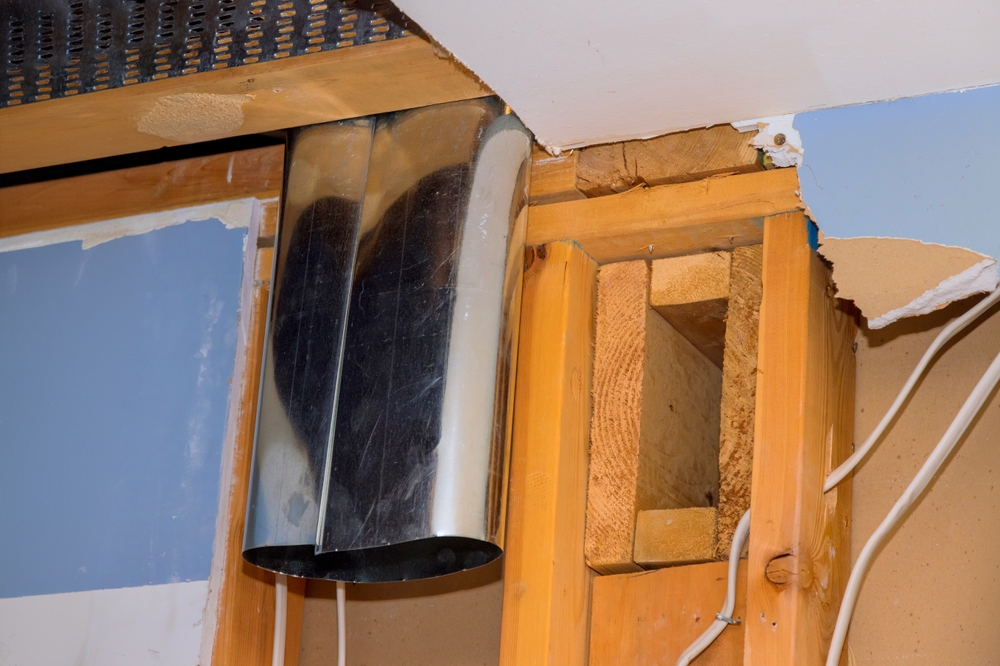
These spaces often house decades of accumulated dust, old insulation, and sometimes even obsolete plumbing or HVAC ductwork. Routing new copper wiring requires patience and physical dexterity. Our teams are highly experienced in maneuvering through these challenging historic footprints, ensuring every wire is secured and protected according to current safety standards.
Outdated Systems: The Danger of Knob-and-Tube Wiring
If your Sacramento home was built between the late 1800s and the 1940s, it likely contains knob-and-tube wiring. This was the standard electrical installation method of the era, but it is now considered obsolete and dangerous.
Why Knob-and-Tube Must Be Replaced
Knob-and-tube wiring consists of single-insulated copper conductors run through wall cavities and ceiling spaces. The wires are supported by porcelain knob insulators and pass through structural timber via porcelain tubes.
This system has two major flaws. First, it lacks a ground wire. Grounding is an essential safety feature that gives excess electrical current a safe path to the earth in the event of a fault. Without a ground wire, you risk severe electrical shocks and damaged appliances. Second, the rubber insulation originally used on the wires degrades and crumbles over time. This leaves bare, live wires exposed inside your walls.
Insurance companies are highly aware of these risks. Most providers will not insure a home with active knob-and-tube wiring, or they will charge exorbitant premiums. Removing this system is the first and most critical step in making your historic property safe.
The Step-by-Step Rewiring Process
Understanding the workflow of a major electrical project helps you prepare your home and your family for the disruption. A complete rewiring project generally unfolds in several distinct phases.
Phase 1: Planning and Assessment
The process begins with a thorough evaluation of your current electrical usage and your future needs. We map out where you need new outlets, dedicated circuits for heavy appliances, and updated lighting fixtures. This planning phase ensures that your new electrical system will support your lifestyle for decades to come.
Phase 2: Permitting and Sacramento City Standards
You cannot perform significant electrical work in Sacramento without proper permits. The city requires permits to guarantee that all modifications comply with the National Electrical Code (NEC) and local building standards. We handle the entire permitting process on your behalf. Submitting accurate, detailed plans to the city prevents costly delays and ensures your project starts on the right foot.
Phase 3: Demolition and Wire Routing
This is the most intrusive phase of the project. We disconnect and abandon the old, unsafe wiring. Then, we begin carefully opening access points in your walls, ceilings, and floors to pull the new, insulated copper wiring. Expect noise, dust, and a busy work environment during this stage. We prioritize cleanliness and use drop cloths and plastic sheeting to protect your antique furniture and hardwood floors.
Phase 4: Installation of Devices and Fixtures
Once the new wires are successfully routed and secured, we install your new outlets, switches, and fixtures. We ensure every connection is tight and every device is properly grounded.
Upgrading Your Electrical Capacity
Historic homes simply were not built to handle the electrical load of a modern family. Upgrading the wires inside the walls is only part of the solution; you also need to ensure your home has the capacity to distribute that power safely.
The Role of Subpanels
Older homes often feature main electrical panels with very limited space for new circuits. If you are adding a modern HVAC system, renovating a kitchen with high-end electric appliances, or preparing for an electric vehicle charger, your main panel might become overloaded.
In these situations, a subpanel installation in Sacramento provides the perfect solution. A subpanel acts as a satellite breaker box, drawing power from the main panel and distributing it to a specific area of the house, like a new master suite addition or a detached garage. This balances the electrical load and prevents your breakers from constantly tripping.
Modernizing with Care: Lighting and Aesthetics
Updating your wiring presents the perfect opportunity to enhance your home’s lighting design. Historic homes often suffer from poor overhead lighting, relying instead on floor lamps and small wall sconces.
You can brighten your space without ruining its vintage charm through strategic recessed lighting installation. Modern, low-profile LED recessed lights can be installed seamlessly into plaster ceilings. They provide clean, even illumination that highlights your home’s architectural details, like crown molding and built-in cabinetry, without looking out of place.
Ensuring Safety and Compliance
The final phase of any rewiring project involves rigorous testing and verification by local authorities. This step guarantees that your investment is sound and your family is protected.
Passing the City Inspection
Once the installation is complete, a city inspector must review the work. The inspector checks that the wire sizing is correct, the grounding is effective, and all safety protocols were followed.
Passing this inspection is non-negotiable. To ensure absolute compliance and give you complete peace of mind, we recommend a comprehensiveelectrical inspection in Sacramento before we finalize the project. We test every circuit, outlet, and switch to confirm flawless operation. Having documentation of a passed city inspection and a professional evaluation significantly increases your home’s resale value and satisfies your insurance provider.
Prepare Your Historic Home for the Future
Owning a piece of Sacramento’s history is a privilege, but it comes with the responsibility of maintaining the home’s safety and infrastructure. Rewiring a historic property is a major undertaking that requires patience, investment, and highly skilled professionals.
By replacing dangerous legacy systems, navigating the unique challenges of lath and plaster, and upgrading your electrical capacity, you protect your family from fire hazards while bringing your home into the modern age. You do not have to sacrifice historic charm for modern convenience. With careful planning and expert execution, your historic Sacramento home can safely power your life for the next century.
