

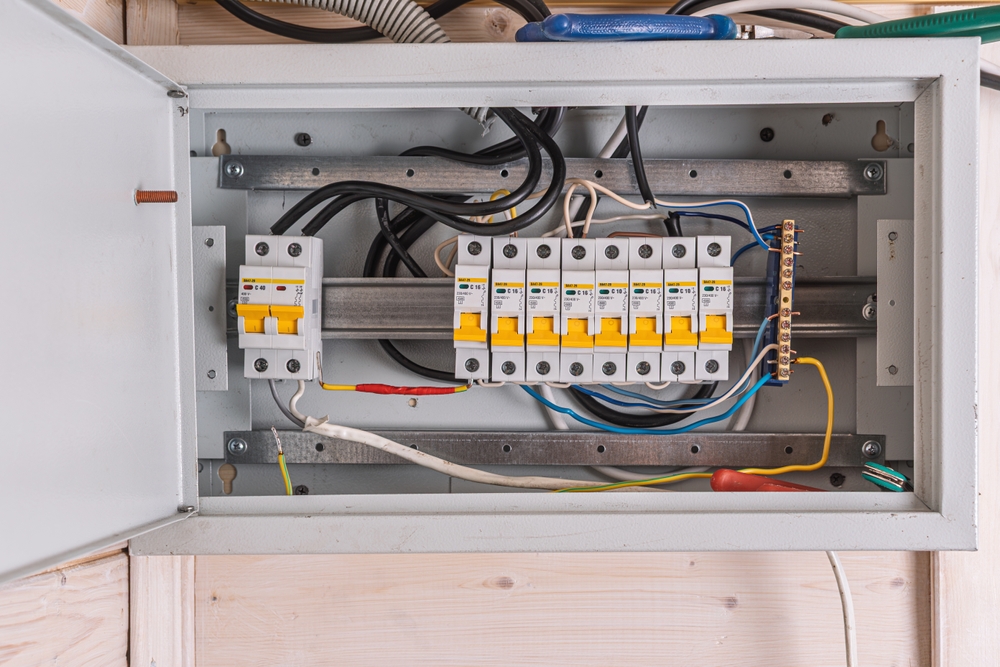
You finally upgrade your kitchen with a beautiful new induction stove and a high-tech smart refrigerator. You plug everything in, turn on the oven to prepare dinner, and suddenly your entire kitchen goes dark. A tripped breaker ruins your evening and leaves you wondering what went wrong. Your brand-new appliances are not broken. Instead, your home’s aging electrical system simply cannot keep up with the massive power demands.
Many homeowners upgrade their major appliances without ever considering the infrastructure hiding behind their garage walls. We expect our homes to seamlessly adapt to new technology. However, decades-old electrical panels were designed for a vastly different era of energy consumption. Forcing a massive amount of electricity through an outdated panel creates incredible technical strain, leading to frustrating power outages and severe safety hazards.
If you live in an older property, you need to understand how your electrical system interacts with modern technology. This guide will explore the immense power requirements of modern high-draw appliances and explain why old 60-amp or 100-amp panels fail to support them. We will also cover the unique challenges facing historic homes in Sacramento, especially during our intense summer heatwaves. Finally, you will learn how to identify the warning signs of an overloaded system and discover the steps required to secure your home’s power supply.
The Evolution of Home Electrical Needs
To understand why your electrical panel struggles, you must look at how our domestic energy habits have changed over the decades. Homes built fifty years ago operated on a fraction of the electricity we consume right now. Builders installed electrical systems that perfectly matched the needs of that specific era.
The 60-Amp and 100-Amp Era
If your home was constructed between the 1940s and the 1970s, builders likely installed a 60-amp or 100-amp electrical panel. Back then, a family only needed enough power to run a few basic incandescent lights, a simple refrigerator, a television, and perhaps a small window air conditioner. Gas lines powered the heavy lifting for heating, cooking, and drying clothes.
A 100-amp service provided ample capacity for these modest requirements. The panel distributed electricity effectively without ever approaching its maximum threshold. Homeowners rarely experienced tripped breakers because their daily routines simply did not draw that much current.
How Amperage Works
Amperage measures the volume of electrical current flowing through your wires. Think of your electrical system like a network of plumbing pipes. The voltage acts as the water pressure pushing through the pipes, while the amperage represents the physical size of those pipes.
A wider pipe allows more water to flow through at the exact same time. Similarly, a panel with a higher amperage rating allows more electricity to enter your home safely. When you plug in a device, it draws a specific amount of amps. If the total amps drawn by all your active appliances exceed the capacity of your panel, the main breaker trips to prevent the wires from overheating and starting a fire.
Meet the Heavy Hitters: Modern High-Draw Appliances
We currently live in an era of rapid electrification. We actively replace gas-powered equipment with highly efficient, environmentally friendly electric alternatives. While these modern appliances offer incredible performance, they demand staggering amounts of electrical current.
Induction Stoves and Smart Ovens
Induction cooktops have revolutionized modern kitchens. They boil water in seconds and offer precise temperature control by using powerful electromagnets to heat the cookware directly. However, this incredible cooking speed requires a massive surge of electricity.
A standard electric range might draw 30 to 40 amps. A powerful modern induction cooktop, paired with a smart convection oven, can easily demand 50 amps of dedicated power. If you have a 100-amp panel, cooking dinner on an induction stove consumes half of your home’s total electrical capacity in a single moment.
High-Efficiency HVAC Systems
Modern central heating and air conditioning systems provide unparalleled comfort and energy efficiency. Heat pumps, in particular, serve as incredible two-in-one systems that both heat and cool your home without using natural gas.
While these systems run efficiently once they start, they require a massive jolt of electricity to kick on. The compressor motors demand high “starting amps” to overcome inertia. If your panel lacks the necessary bandwidth, this starting surge pulls power away from other circuits. This massive draw is a primary reason older panels struggle during the cooling season.
Heat Pump Water Heaters
Traditional gas water heaters are rapidly disappearing from modern utility closets. Many homeowners now choose hybrid heat pump water heaters. These intelligent devices extract heat from the surrounding air and transfer it into the water tank.
They use significantly less energy overall than standard electric resistance heaters. However, they still require a dedicated 240-volt circuit. When the heat pump kicks on to recover the water temperature after a long shower, it adds another heavy continuous load to your electrical panel. Stacking this load on top of an active HVAC system quickly pushes a 100-amp panel to its absolute breaking point.
Smart Refrigerators and Kitchen Tech
Your kitchen likely houses a small army of electric gadgets. You might have an air fryer, an espresso machine, a high-powered blender, and a microwave. You also have a smart refrigerator that constantly monitors its internal climate, connects to your wi-fi, and dispenses ice on demand.
Individually, these devices might not seem like power hogs. However, they all run on the same shared kitchen circuits. When the refrigerator compressor kicks on while you run the microwave and the espresso machine, the combined amperage spikes dramatically. Old panels simply do not have enough dedicated circuits to distribute this heavy, concentrated kitchen load safely.
Sacramento’s Unique Power Demands
Location drastically impacts how your electrical system performs. Homeowners in the Sacramento Valley face unique environmental and architectural challenges that place intense stress on aging electrical infrastructure.
Historic Homes and Aging Infrastructure
Sacramento boasts beautiful, established neighborhoods like East Sacramento, Land Park, and Midtown. These areas feature stunning historic properties packed with original charm. Unfortunately, that charm often hides dangerously obsolete electrical wiring.
Many of these historic homes still operate on their original 60-amp or 100-amp services. Furthermore, they often feature ungrounded outlets or deteriorating cloth-covered wires. When you introduce heavy modern appliances to these fragile systems, you create a severe safety hazard. Securing these historic properties often requires comprehensivewhole-house rewiring to safely handle the high-draw demands of modern living.
Surviving Brutal Sacramento Summers
Sacramento summers are famously relentless. When the temperature breaks 100 degrees for several consecutive days, your central air conditioning system works incredibly hard to keep your family comfortable. It runs constantly, drawing a massive continuous load from your electrical panel.
During these intense heatwaves, your electrical panel heats up. The ambient heat in your garage, combined with the heat generated by the electricity flowing through the overworked breakers, creates severe thermal stress. This intense summer strain frequently causes older, weaker panels to fail completely. You need a robust, modern system to ensure your air conditioning runs flawlessly exactly when you need it most.
Warning Signs Your Old Panel is Struggling
Your electrical system usually provides clear warning signs when it struggles to keep up with your modern appliances. Paying attention to these subtle clues helps you catch electrical bottlenecks before they turn into dangerous failures.
The Annoyance of Tripping Breakers
Circuit breakers act as the ultimate security guards for your home’s wiring. When a circuit draws more current than it can handle, the breaker trips, shutting off the power to prevent an electrical fire.
If you occasionally trip a breaker by plugging a heavy space heater into a crowded outlet, your system is working correctly. However, if you find yourself walking to the garage every single week to reset flipped switches, you have a massive capacity problem. Constant tripping proves that your daily routine vastly exceeds your home’s electrical limit.
Flickering Lights and Voltage Drops
Have you ever noticed your living room lamps dimming for a split second when the air conditioner turns on? Do your lights flicker when you run the microwave? This phenomenon is known as a voltage drop.
Voltage drops occur because a heavy appliance draws a massive surge of power when it starts up. If your electrical panel lacks the total capacity to support this sudden demand, it literally starves the other circuits of electricity. Flickering lights clearly indicate that your panel lacks the bandwidth to distribute power evenly and safely across your home.
Buzzing Sounds and Burning Smells
Your electrical panel should operate completely silently and remain cool to the touch. If you lean close to the metal box and hear a faint buzzing, sizzling, or crackling sound, you have a severe problem. Buzzing indicates loose connections and electrical arcing, which destroys the internal metal components.
Even worse, if you smell an acrid, plastic burning scent near your breaker box, you need immediate professional help. This scent means wires are overheating and melting their protective insulation. Do not touch the panel. Instead, immediately contact a licensed professional for emergency electrical troubleshooting in Sacramento.
The Technical Strain on Outdated Systems
Forcing modern appliances to run on an old panel creates invisible, slow-moving damage behind your walls. You must understand the technical strain your system endures to truly appreciate the risks.
Continuous Load vs. Peak Load
Electricians categorize power usage into peak loads and continuous loads. A peak load happens for a very short duration, like the few seconds it takes a motor to start. A continuous load refers to an appliance that draws heavy power for three hours or more, like your air conditioner or an electric vehicle charger.
Old 100-amp panels were designed to handle occasional peak loads, but they struggle immensely with heavy continuous loads. Electrical codes dictate that a continuous load can only consume 80 percent of a circuit’s total rating. When you stack multiple continuous loads on a small panel, you push the entire system past its safe operating threshold, causing the main breakers to overheat.
The Danger of Overloaded Neutral Wires
Older electrical systems often feature shared neutral wires to save on material costs. The neutral wire acts as the return path for the electricity flowing through your circuits.
When you introduce high-tech appliances with complex microprocessors and variable speed motors, they create harmonic distortion on the electrical line. This distortion sends excess current back down the shared neutral wire. Older panels cannot handle this excess harmonic current. The neutral wire overheats rapidly, melting its insulation and creating a massive, hidden fire hazard inside your walls.
Degraded Breakers and Fire Risks
Circuit breakers are mechanical devices. Like any mechanical device, they wear out over time. Decades of expanding and contracting from heat, combined with the constant strain of running heavy appliances, severely weakens the internal springs and contacts.
A weakened, degraded breaker loses its calibration. It might trip when it shouldn’t, causing frustrating power losses. Even worse, a degraded breaker might fuse in the “on” position and completely fail to trip during a severe overload. When this happens, the wire continues to draw massive current until it ignites the wooden framing of your home.
Steps to Modernize Your Electrical System
If your old panel struggles to run your new smart fridge and induction stove, you need to take proactive steps. Modernizing your system protects your investment and ensures your home operates safely.
Calculating Your Actual Power Load
You cannot simply guess how much power your home needs. Before you buy any new major appliances, you should hire a licensed electrician to perform a comprehensive residential load calculation.
This specific mathematical formula analyzes your home’s square footage, your lighting circuits, and the exact wattage of every hardwired appliance. The load calculation provides hard data proving exactly how much amperage your property requires. It removes all the guesswork and ensures your electrical infrastructure can safely support your planned kitchen or HVAC upgrades.
Upgrading to a 200-Amp Service
The most effective way to solve capacity issues is to schedule a professional electrical panel upgrade. Modern building codes establish a 200-amp panel as the absolute minimum standard for newly constructed homes.
Moving from 100 amps to 200 amps literally doubles your home’s electrical capacity. This massive upgrade provides incredible breathing room for your appliances. You can easily run your central air, bake a turkey in your induction oven, and run the dishwasher simultaneously without ever worrying about a tripped breaker.
When to Consider Complete Rewiring
Sometimes, replacing the metal panel box is only the first step. If your Sacramento home still relies on original wiring from the 1950s, connecting a massive 200-amp service to those fragile wires creates a mismatch.
Old wires lack the proper grounding necessary to protect modern appliances. They also feature deteriorating insulation that cracks when disturbed. To achieve true safety and reliability, you might need to update the actual circuits running through your walls. A comprehensive electrical inspection in Sacramento will reveal the true condition of your wiring and dictate whether you need a simple panel swap or a larger rewiring project.
Making the Right Investment for Your Home
Upgrading your electrical panel might not feel as glamorous as installing a granite countertop. However, it represents the most critical investment you can make for your property’s safety and functionality.
Protecting Your Expensive Appliances
You likely spent thousands of dollars on your new induction stove, smart refrigerator, and high-efficiency heat pump. These sophisticated devices rely on complex microchips and sensitive internal computer boards to function properly.
These computers require a completely clean, stable, and consistent flow of electricity. If your old panel constantly sends voltage drops and minor power surges through the wires, it actively destroys those microchips. Upgrading your panel protects your expensive investments by ensuring they receive the clean, steady power they need to operate flawlessly for decades.
Partnering with Local Professionals
Electrical work is never a do-it-yourself project. The sheer volume of electricity entering your home is lethal. Opening a panel cover or attempting to calculate load demands without proper training puts your life and your property at incredible risk.
You need to partner with highly trained, licensed local electricians. A professional contractor understands local utility requirements, municipal building codes, and the specific challenges of Sacramento’s climate. They handle the complex permitting process and ensure every single wire is secured properly, guaranteeing your family sleeps safely under a protected roof.
Conclusion
We live in a modern world filled with incredible technological conveniences. High-draw appliances make our lives easier, more comfortable, and highly efficient. However, you cannot build a modern smart home on top of an antiquated electrical foundation.
Old 60-amp and 100-amp panels simply cannot handle the intense, continuous loads demanded by induction stoves, heat pumps, and modern kitchen tech. Ignoring the warning signs of an overloaded panel leads to frustrating power outages, damaged electronics, and devastating electrical fires.
Taking proactive steps to modernize your power supply gives you total peace of mind. A robust 200-amp panel provides the essential infrastructure your home needs to function safely and smoothly. Explore our comprehensive range of services to learn how we can modernize your property. Contact the trusted professionals at TNT Electric today to evaluate your panel, upgrade your capacity, and prepare your home for the future of modern living.
Our Services at a Glance
At TNT Electric, we are a licensed electrical company based in Citrus Heights, CA, proudly serving the Sacramento area with dependable, professional service.
View Services

