

You buy home insurance to protect your most valuable asset from disaster. But what happens when the very equipment running your home makes it uninsurable? Many homeowners face this exact problem when insurance companies inspect their electrical systems.
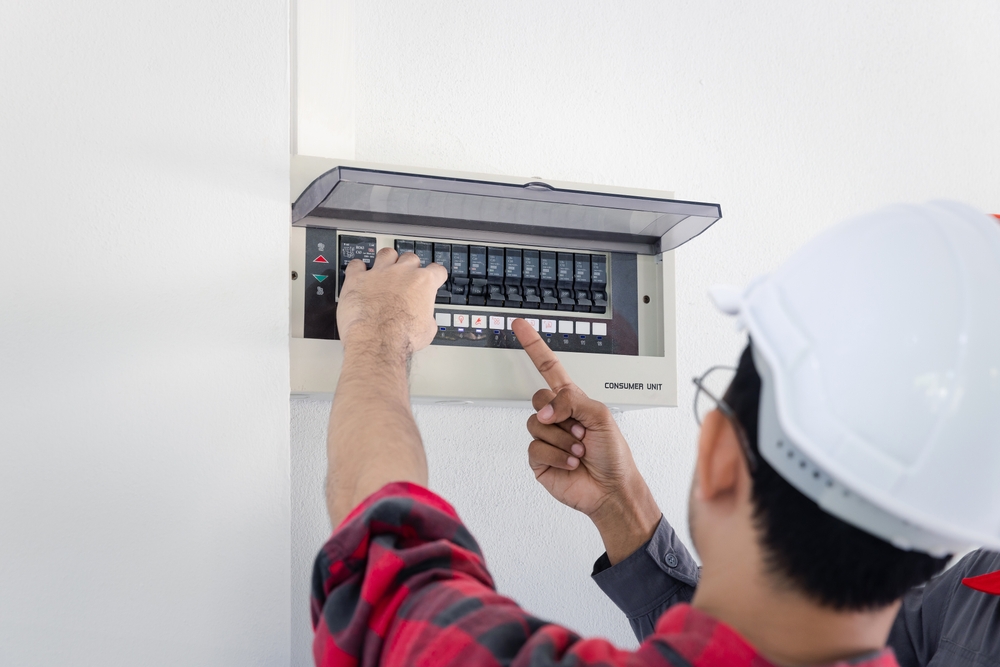
Your electrical panel serves as the heartbeat of your home, routing electricity to every outlet, switch, and appliance. When this vital component ages beyond its useful life or belongs to a heavily recalled brand, it transforms from a safety device into a severe liability. Insurance providers understand this risk completely. As a result, they frequently deny coverage, increase premiums, or cancel policies for homes with obsolete electrical panels.
In this guide, we will explore the hidden dangers of outdated electrical panels. You will learn which specific panel brands trigger instant insurance red flags, how an old panel impacts your coverage, and why upgrading your system offers the best protection for both your family and your wallet.
The Critical Role of Your Electrical Panel
Before we explore the insurance complications, we must understand how your electrical panel functions. You might know it as a breaker box, service panel, or distribution board. Regardless of the name, its primary job is safety. Electricity enters your home from the utility grid and flows directly into this metal box. The panel then divides that power into individual circuits that supply specific areas of your house.
Each circuit features a breaker designed to handle a specific amount of electrical current. When a circuit draws more power than it can safely handle, the breaker trips. This simple mechanical action stops the flow of electricity, preventing wires from overheating and starting a fire.
Modern panels perform this function with incredible reliability. However, older panels often fail to trip when overloaded. Sometimes the breakers fuse to the bus bar, allowing massive amounts of unregulated power to surge through the wires. This creates an immediate and severe fire hazard that insurance carriers simply will not tolerate.
Why Insurance Companies Care About Your Electrical Panel
Home insurance companies deal in risk assessment. They employ massive teams of actuaries to calculate the exact probability of a disaster happening on your property. Through decades of claims data, they have determined that electrical fires represent one of the most expensive and common threats to a home.
The Risk of Electrical Fires
According to fire safety statistics, electrical failures account for tens of thousands of home fires every year. A massive percentage of these fires originate at the electrical panel or happen because the panel failed to interrupt a short circuit. When an insurance company evaluates your property, they look for predictable hazards. An outdated panel tells the underwriter that a catastrophic fire is highly probable.
Insurance carriers want to minimize their financial exposure. If they insure a home with a 40-year-old panel known for causing fires, they take on an unacceptable level of risk. The cost to rebuild a home after an electrical fire easily reaches hundreds of thousands of dollars. To protect their bottom line, insurance companies set strict standards for electrical infrastructure.
Changing Home Insurance Standards in California
Homeowners face an increasingly difficult insurance market. Carriers are tightening their underwriting guidelines, requiring comprehensive inspections before writing or renewing policies. During a standard inspection, the agent will absolutely check the brand, age, and condition of your electrical panel.
If you live in an older neighborhood, your home might still run on its original electrical system. While the house itself stands strong, the electrical infrastructure degrades over time. Insulation dries out, connections loosen, and mechanical parts within the breakers simply wear down. Because carriers now scrutinize properties closer than ever, slipping an obsolete panel past an insurance inspector has become nearly impossible.
To ensure your home remains compliant and safe, you must maintain a modern electrical system. We offer comprehensive electrical services to keep your property up to current safety codes and insurance standards.
Outdated Electrical Panels That Trigger Insurance Red Flags
Not all old panels carry the same level of risk. However, specific brands manufactured between the 1950s and 1980s have proven so dangerous that insurance companies keep them on a permanent blacklist. If you have one of the following panels in your home, you will almost certainly face insurance complications.
Federal Pacific Electric (FPE) Stab-Lok Panels
Federal Pacific Electric panels were installed in millions of homes from the 1950s through the 1980s. Builders loved them because they were inexpensive and easy to install. However, time revealed a terrifying design flaw in their Stab-Lok breakers.
Testing shows that FPE breakers fail to trip up to 60 percent of the time when faced with a short circuit or overload. Even worse, switching the breaker to the “off” position does not always stop the flow of electricity. Many house fires have been directly linked to FPE panels failing to perform their only job. If an insurance inspector sees a Federal Pacific panel in your garage or basement, they will flag your home immediately.
Zinsco Panels
Zinsco panels share a similar timeline and reputation with FPE. Popular during the mid-20th century, these panels feature a distinct design flaw involving the connection between the breakers and the bus bar.
Over time, the aluminum bus bars inside a Zinsco panel oxidize. This oxidation creates resistance, which generates immense heat. Eventually, the breakers melt and fuse to the bus bar. Once a breaker fuses, it cannot trip. If an electrical surge hits that circuit, the wires will overheat until they ignite surrounding building materials. Virtually no modern home insurance company will write a new policy for a house with a Zinsco panel.
Sylvania Panels
GTE Sylvania purchased Zinsco in the 1970s and continued manufacturing panels under the Sylvania name. While they changed the branding, they retained the same hazardous design. Sylvania panels present the exact same melting and fusing risks as their Zinsco predecessors. If your panel bears the Sylvania name from this era, underwriters treat it with the same caution as a Zinsco or FPE panel.
Split-Bus Panels
Before modern building codes required a single main breaker to shut off power to the entire house, builders frequently installed split-bus panels. These panels divide the power into two separate bus bars. To turn off all the power in the home, you must flip up to six different breakers.
While split-bus panels do not have the same inherent manufacturing defects as FPE or Zinsco, their design is outdated and potentially dangerous during an emergency. Furthermore, they are almost always well past their intended lifespan. Insurance companies often require you to replace split-bus panels simply due to their age and lack of a main disconnect.
Pushmatic Panels
Pushmatic panels feature unique push-button breakers rather than traditional toggle switches. While they do not have the melting issues of Zinsco panels, they have their own set of problems. The mechanical push buttons become incredibly stiff over time, making them difficult to operate or reset.
Additionally, Pushmatic panels do not feature a main breaker. Because they have been out of production for decades, finding replacement parts is virtually impossible. When a breaker fails, homeowners often try to force incompatible parts into the panel, creating a massive fire hazard. Insurance companies view Pushmatic panels as obsolete and highly problematic.
If you suspect you have any of these problematic panels, you need a professional evaluation immediately. Scheduling an electrical inspection provides you with a clear picture of your system’s safety and insurance compliance.
How an Outdated Panel Affects Your Sacramento Home Insurance
The consequences of maintaining an obsolete electrical panel go far beyond a simple warning from your insurance agent. Having one of these blacklisted panels directly impacts your ability to protect your home financially.
Policy Cancellations and Non-Renewals
The most severe consequence of an outdated panel is a complete loss of insurance coverage. When you buy a new home, the insurance company typically gives you 30 to 60 days to complete an inspection. If the inspector spots an FPE, Zinsco, or significantly degraded panel, the carrier will issue a cancellation notice.
You usually have a brief window to replace the panel before the cancellation takes effect. If you fail to replace it, you lose your coverage entirely. For homeowners with a mortgage, losing home insurance puts you in direct violation of your loan agreement. Your lender will “force-place” insurance on your property to protect their investment. Force-placed insurance costs significantly more than standard policies and provides much less coverage.
The same rule applies to existing policies. Insurance companies periodically review their portfolios and request updated inspections. If they discover an obsolete panel during a renewal review, they will issue a non-renewal notice, forcing you to find coverage elsewhere in an increasingly hostile market.
Higher Insurance Premiums
Sometimes, an insurance company might agree to cover a home with an older panel, but they will penalize you financially. They offset their increased risk by charging drastically higher monthly premiums.
You might pay hundreds of extra dollars every year simply because you have an aging electrical system. Over a few years, the extra money you spend on inflated premiums could have easily paid for a complete panel upgrade. Upgrading your panel removes this surcharge, bringing your premiums back down to a standard, affordable rate.
Denied Insurance Claims
Imagine paying your insurance premiums faithfully for years, only to have a devastating fire destroy part of your home. You file a claim, expecting your insurance to cover the rebuilding costs. However, the fire investigator determines the blaze originated from an obsolete electrical panel you failed to replace.
Insurance policies require homeowners to properly maintain their properties. If you knew, or reasonably should have known, that your electrical panel was a severe fire hazard and you did nothing about it, the insurance company can deny your claim. They will argue that your negligence caused the damage. An outdated panel puts your entire financial future at risk.
The Benefits of Upgrading Your Electrical Panel
Replacing an old electrical panel requires an upfront investment, but the long-term benefits vastly outweigh the initial cost. Beyond satisfying your insurance company, a panel upgrade improves every aspect of your home’s electrical performance.
Guaranteed Insurance Compliance
The most immediate benefit of an upgrade is absolute peace of mind regarding your home insurance. When you install a new, modern panel, you eliminate the biggest red flag an insurance inspector can find. You secure your ability to shop around for the best insurance rates across different carriers, rather than being stuck with whoever is willing to take a chance on an old system.
A new panel shows underwriters that you take proactive steps to maintain your property. This makes your home highly desirable to insure, ensuring you maintain comprehensive coverage without exorbitant premium hikes. A proper electrical panel upgrade is a direct investment in your property’s insurability.
Enhanced Home Safety
Safety always remains the primary reason for electrical work. Modern panels utilize highly sensitive breakers designed to detect the slightest anomaly in electrical current. They trip instantly when a short circuit or overload occurs, cutting off power long before heat can build up in your wires.
Furthermore, new panels allow for the installation of Arc Fault Circuit Interrupters (AFCIs) and Ground Fault Circuit Interrupters (GFCIs). AFCIs detect dangerous electrical arcing behind your walls, while GFCIs protect you from electric shock in wet areas like kitchens and bathrooms. Older panels often cannot accommodate these crucial modern safety devices.
Sometimes, you do not need a full panel replacement if the box itself is in great condition, but you might need targeted repairs. We provide professional circuit breaker replacement to ensure your existing modern panel functions flawlessly.
Support for Modern Appliances
Homes built forty years ago were not designed for the electrical demands of today. We run central air conditioning, multiple refrigerators, home offices, entertainment systems, and electric vehicle chargers simultaneously. Old 60-amp or 100-amp panels simply cannot handle this massive load.
When you upgrade to a modern 200-amp or 220-amp panel, you give your home the capacity it needs to run smoothly. Your lights will stop flickering when the air conditioner turns on. You will stop tripping breakers every time you use the microwave and the toaster at the same time. A new panel prepares your home for future additions, ensuring you have the power you need when you need it.
Signs You Need an Electrical Panel Upgrade
You do not have to wait for an insurance inspector to tell you your panel is obsolete. Your home will often give you warning signs that your electrical system is struggling. Pay attention to these common indicators:
First, listen to your panel. A properly functioning electrical panel should operate silently. If you hear buzzing, humming, or crackling sounds coming from the breaker box, you have a severe problem. These sounds indicate electrical arcing or breakers that are struggling to maintain a connection.
Second, touch the panel door. The metal should feel cool or room temperature. If the panel feels warm or hot to the touch, the internal components are overheating. This is an immediate fire hazard that requires emergency professional attention.
Third, look for rust or corrosion. Water and electricity create a deadly combination. If moisture has entered your panel, it will corrode the bus bars and breakers, destroying their ability to conduct electricity safely and trip properly. Any visible rust means the panel’s integrity is compromised.
Finally, note how often your breakers trip. While a breaker tripping occasionally means the system is doing its job, frequent tripping indicates your panel cannot handle your home’s regular electrical load. Continually resetting the same breaker wears down the internal springs, eventually causing the breaker to fail entirely.
Navigating Insurance Requirements with Professional Help
Dealing with insurance companies can feel overwhelming, especially when they issue a tight deadline to replace your electrical panel. You need a trusted partner who understands both complex electrical systems and strict insurance requirements.
Attempting to replace a panel yourself or hiring an unlicensed handyman to do the job is a massive mistake. Insurance companies require proof that a licensed, bonded, and insured electrician performed the work. They will ask for permits and inspection reports from the city or county. If you cut corners, the insurance company will still cancel your policy, and you risk creating an even bigger fire hazard.
A licensed electrician will handle the entire process correctly. They will pull the necessary permits, coordinate with your utility company to safely disconnect the power, install the new panel to the latest electrical codes, and arrange for the final municipal inspection. Once completed, you receive the documentation your insurance company demands to restore or maintain your coverage.
Living in a hot climate means your air conditioning puts immense strain on your electrical system for half the year. This heavy usage accelerates wear and tear on outdated components. Ensuring your home has a robust, modern panel is not just about insurance; it is about keeping your home safe and functional during the hottest months of the year.
Secure Your Coverage and Protect Your Home Today
Do not wait for an insurance cancellation notice to arrive in your mailbox. If your home has an aging electrical system, an obsolete Federal Pacific or Zinsco panel, or if you simply do not know the condition of your breakers, taking proactive action is your best defense. Upgrading your electrical panel guarantees your insurance compliance, protects your family from catastrophic fire risks, and provides the stable power your modern appliances demand.
At TNT Electric, we specialize in helping homeowners navigate complex electrical upgrades safely and efficiently. Our licensed professionals will evaluate your current system, explain your options clearly, and install a state-of-the-art panel that meets all insurance and building code requirements.
Take control of your home’s safety and secure your insurance coverage. Contact TNT Electric today to schedule a comprehensive electrical inspection or book your panel upgrade in Sacramento. Let us provide the reliable power and total peace of mind your home deserves.
Our Services at a Glance
At TNT Electric, we are a licensed electrical company based in Citrus Heights, CA, proudly serving the Sacramento area with dependable, professional service.
View Services

