

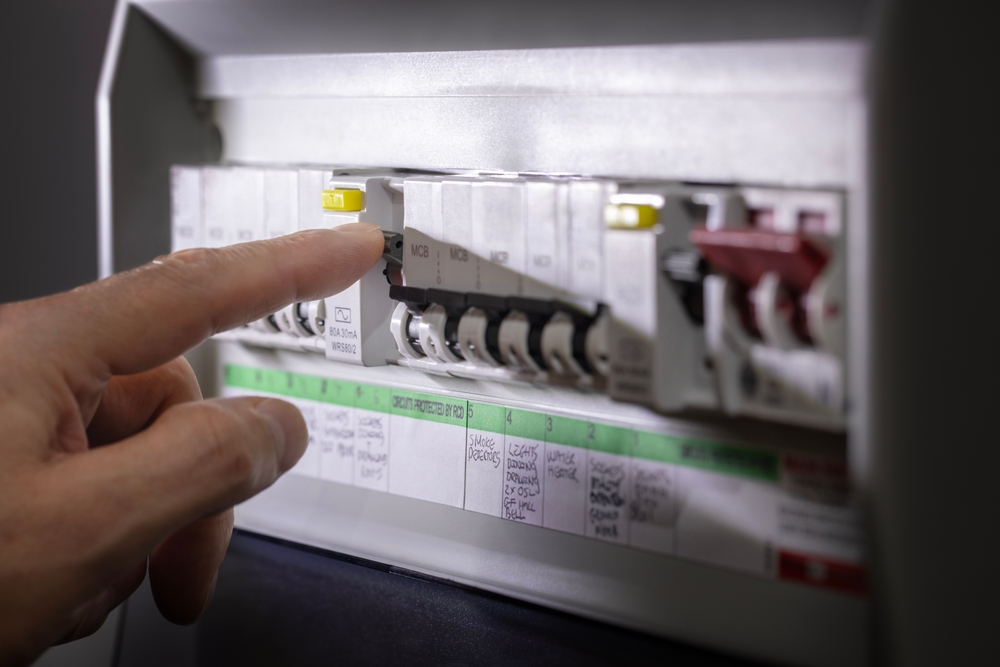
Upgrading your home’s electrical panel is one of the most important investments you can make for your property’s safety and functionality. When your lights dim, breakers trip constantly, or you plan to install a new electric vehicle charger, your electrical system needs a boost. Understanding the financial commitment helps you plan your home improvement budget effectively.
The cost of this crucial project varies widely based on several distinct factors. Sacramento homeowners face specific regional pricing, local permit requirements, and utility company regulations that influence the final bill. We will break down exactly what you can expect to pay for a panel upgrade in the Sacramento area.
You will learn about average labor rates, material expenses, and the hidden costs that often surprise homeowners. We will also explore the price differences between 100-amp and 200-amp systems, as well as how the age of your home impacts the installation process.
Average Cost to Upgrade an Electrical Panel in Sacramento
Homeowners in Sacramento typically spend between $2,500 and $4,500 for a standard electrical panel upgrade. This price range assumes a straightforward swap from an outdated 100-amp panel to a modern 200-amp panel in the same location. However, complex projects requiring extensive rewiring or utility company intervention can easily exceed $5,000 to $7,000.
The final price tag breaks down into three main categories: labor, materials, and administrative fees. Understanding these categories helps you evaluate quotes from local electrical contractors.
Labor Rates for Sacramento Electricians
Labor represents the largest portion of your panel upgrade cost. Licensed electricians in the Sacramento region generally charge between $90 and $150 per hour. A standard panel upgrade takes a two-person crew roughly four to eight hours to complete.
You are paying for highly specialized expertise, rigorous safety training, and the contractor’s overhead, which includes insurance and licensing. Attempting to cut corners by hiring an unlicensed handyman for this job puts your home at immense risk of electrical fires. Always invest in professional labor for critical infrastructure projects.
Material Expenses
The physical components of your new electrical system make up the second largest expense. A basic 200-amp electrical panel box costs between $150 and $300. However, the panel itself is just the beginning.
Your electrician must also purchase new circuit breakers to populate the board. Standard breakers cost a few dollars each, but modern electrical codes require Arc Fault Circuit Interrupter (AFCI) and Ground Fault Circuit Interrupter (GFCI) breakers for most areas of your home. These specialized safety breakers can cost $40 to $60 apiece.
When you factor in new copper wiring, conduit, grounding rods, and weatherheads for exterior panels, material costs quickly add up. You can expect materials to account for $500 to $1,200 of the total project cost.
Key Factors That Impact Your Panel Upgrade Cost
No two homes possess the exact same electrical setup. Several distinct variables determine whether your project falls on the low end or the high end of the pricing spectrum.
Amperage Size: 100 Amp vs. 200 Amp
The total capacity of your new panel dictates a large portion of the cost. Upgrading an old 60-amp or 100-amp panel to a modern 200-amp panel is the most common request. A 200-amp service provides ample power for standard household appliances, central heating and air, and a Level 2 EV charger.
If you own a massive property with dual HVAC systems, a heated swimming pool, and an extensive workshop, you might need a 400-amp service. Upgrading to 400 amps requires heavy-duty commercial-grade equipment and extensive utility wire upgrades. This massive leap in capacity can double the total cost of your project.
If your current panel has plenty of power but lacks physical space for new breakers, you might just need a subpanel installation in Sacramento. Subpanels run between $500 and $1,000, offering a cost-effective alternative to a complete service upgrade.
Sacramento City and County Permit Fees
You cannot legally replace an electrical panel in California without a building permit. Sacramento City and Sacramento County have different fee structures for residential electrical permits. Generally, you should budget between $150 and $300 for the permit itself.
Your licensed electrician will handle the permit application process and schedule the mandatory inspections. A city or county inspector must review the completed work to ensure it meets strict National Electrical Code (NEC) standards. This administrative step protects you from faulty workmanship.
Relocating the Electrical Panel
Moving your electrical panel to a new location adds significant expense to the project. Sometimes, relocation is mandatory due to updated building codes. For example, older homes might have panels installed inside bedroom closets or tiny bathrooms. Current codes strictly prohibit panels in these locations due to fire and moisture hazards.
If your electrician must move the panel to an exterior wall or the garage, they must splice and extend every single electrical circuit in your home to reach the new box. This labor-intensive process can add $1,000 to $2,000 to your total bill.
Hidden Costs to Watch Out For
When planning your budget, you must account for potential hidden costs. These expenses often reveal themselves during the initial inspection phase.
SMUD and PG&E Utility Wire Upgrades
Your home connects to the local power grid via service drop wires managed by your utility provider, such as SMUD or PG&E. If you are upgrading from 100 amps to 200 amps, the existing utility wires might be too thin to carry the increased electrical load.
The utility company must come out to replace the overhead drop or the underground lateral lines. While utility companies sometimes perform this upgrade for free, they may charge a fee depending on the distance from the transformer and the complexity of the pull. You should factor in potential utility fees ranging from $200 to over $1,000.
Trenching and Underground Wires
Sacramento neighborhoods built from the 1970s onward often feature underground utility lines. If your underground service wires require an upgrade to handle 200 amps, the process becomes much more complicated than replacing an overhead line.
If the existing underground conduit is too small for the new, thicker wires, your contractor must dig a trench through your yard to lay down new pipe. Trenching requires heavy equipment, landscape disruption, and significant labor hours. Trenching can add anywhere from $1,500 to $3,500 to your project, depending on the length of the run and the obstacles in your yard.
Drywall Repair and Stucco Patching
Electricians focus on wiring, not cosmetic home repairs. When upgrading an interior panel, your electrician must cut into the surrounding drywall to access the wiring and secure the new, often larger, panel box.
Once the electrical work is complete, you are responsible for patching, texturing, and painting the drywall. If your panel sits on an exterior wall, you might need to hire a contractor to repair the stucco siding. Budget an extra $300 to $600 to hire a drywall or stucco specialist to restore your walls to their original condition.
Upgrading vs. Replacing: What is the Difference?
Homeowners often use the terms “upgrading” and “replacing” interchangeably, but they represent two different scopes of work. The specific service you need directly affects your bottom line.
Simple Replacements
A simple replacement occurs when you keep your home’s total amperage exactly the same. For instance, if water damage destroys your existing 200-amp panel, you only need to swap it for a new 200-amp model.
Replacements cost less than upgrades because they usually do not require new utility lines or larger conduit. Sometimes, if only a few components have failed, a targeted circuit breaker replacement can solve your power issues for a fraction of the cost of a full panel swap.
Adding Capacity via Upgrades
An upgrade fundamentally changes the amount of electricity flowing into your home. Moving from 100 amps to 200 amps requires a larger panel box, thicker service entrance cables, a new grounding system, and coordination with SMUD or PG&E.
Because upgrades require heavier materials and utility coordination, they sit at the higher end of the pricing spectrum. If you plan to invest in an electrical panel upgrade, you must prepare for a comprehensive overhaul of your primary electrical intake.
How Age and Condition Affect Pricing
The age of your Sacramento home plays a massive role in the complexity of your electrical project. Historic homes often hide surprises behind their walls that drive up labor costs.
Historic Sacramento Homes
Neighborhoods like East Sacramento, Land Park, and Midtown feature stunning historic properties. Unfortunately, these homes often contain outdated knob-and-tube wiring or early ungrounded systems.
When you install a modern electrical panel in a historic home, you might discover that the existing wiring cannot safely connect to the new sensitive breakers. You may need extensive rewiring or grounding work to bring the property up to code. This can turn a standard panel upgrade into a major renovation project.
Dealing with Zinsco and Federal Pacific Panels
If your home was built between the 1950s and 1980s, you might possess a Zinsco or Federal Pacific Electric (FPE) panel. These specific brands suffer from well-documented design flaws that cause the breakers to melt rather than trip during an overload, creating severe fire hazards.
If you have one of these dangerous panels, you must replace it immediately. Insurance companies often refuse to write policies for homes with FPE or Zinsco panels. Before you buy or sell a home in Sacramento, you should schedule a comprehensive electrical inspection in Sacramento to identify these outdated systems.
Financing and ROI for Your Upgrade
Spending several thousand dollars on a metal box in your garage might not feel as exciting as a kitchen remodel. However, an electrical panel upgrade offers incredible return on investment (ROI) and protects your most valuable asset.
Increasing Home Value
Modern homebuyers demand modern electrical capacity. A brand new 200-amp panel shows potential buyers that the home is safe, well-maintained, and ready for modern technology like EV chargers and induction stoves. This massive selling point helps your home stand out in the competitive Sacramento real estate market.
Safety and Peace of Mind
You cannot put a price on the safety of your family. Outdated panels cause thousands of devastating house fires across the country every year. Investing in a new electrical system eliminates one of the biggest hidden dangers in your home.
You can rest easy knowing your electrical system features modern safety breakers that detect anomalies and shut off power before fires start. For a complete list of ways we can improve your home’s safety and efficiency, explore our full range of services.
Conclusion
Understanding the cost to upgrade an electrical panel in Sacramento empowers you to make smart decisions for your property. While the average price hovers around $2,500 to $4,500, specific factors like trenching, utility upgrades, and capacity requirements dictate your final investment.
Do not wait for a dangerous electrical failure to force your hand. Upgrading your electrical panel provides clean, consistent power for your modern appliances and ensures your home remains safe for decades to come. Reach out to a licensed electrical contractor to get an accurate, customized quote for your Sacramento property today.
Our Services at a Glance
At TNT Electric, we are a licensed electrical company based in Citrus Heights, CA, proudly serving the Sacramento area with dependable, professional service.
View Services

