

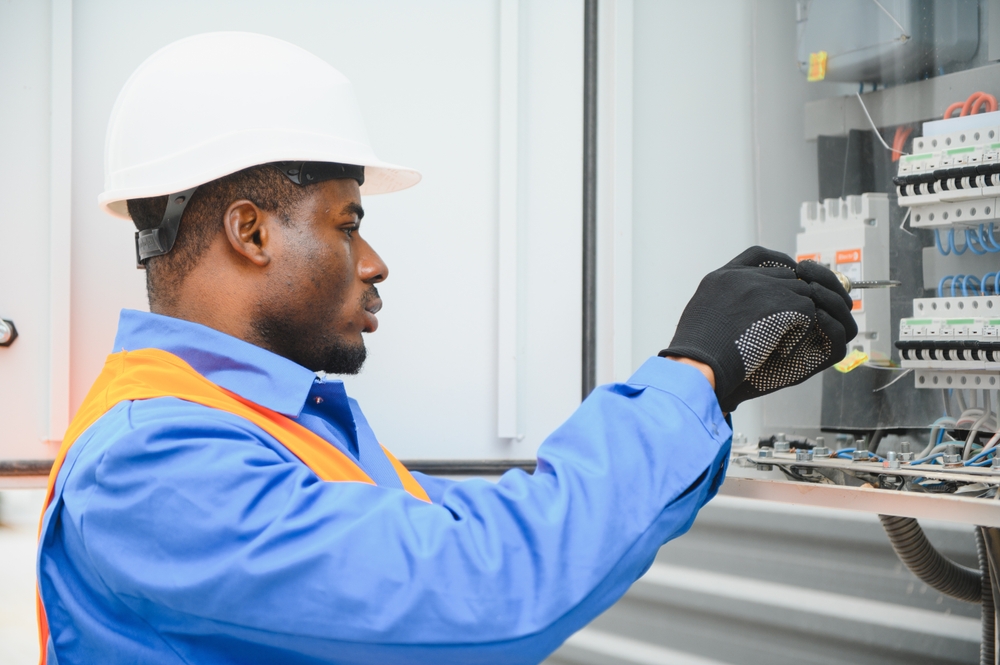
Upgrading your electrical panel is one of the smartest investments you can make in your Sacramento home. As we transition toward fully electric households, your electrical panel serves as the necessary gateway for clean energy. Upgrading this vital component ensures your home can safely handle modern electrical demands. Best of all, you do not have to shoulder the entire cost alone.
Both federal and state governments want to help you modernize your electrical infrastructure. Through a combination of tax credits, state rebates, and local utility incentives, Sacramento homeowners can save thousands of dollars on electrical panel upgrades. These financial incentives make safety and efficiency more accessible than ever.
In this comprehensive guide, we will break down the exact federal tax credits available for panel upgrades. We will explore California-specific rebate programs and local utility incentives from SMUD and PG&E. Finally, we will outline the eligibility criteria and explain why professional documentation is crucial for claiming your money.
The Financial Push for Home Electrification
The push toward residential electrification is gaining massive momentum across the country. Governments at every level recognize that reducing carbon emissions starts at the household level. To achieve these ambitious climate goals, homes must transition from fossil fuels to clean, electric power.
This transition requires robust electrical infrastructure. Older homes in Sacramento often feature 100-amp electrical panels. These outdated panels simply cannot support the heavy electrical loads required by modern electric appliances. Upgrading to a 200-amp or 220-amp panel provides the necessary capacity to run your household safely.
Lawmakers created aggressive financial incentives to encourage homeowners to make these necessary upgrades. These incentives lower the barrier to entry, making it financially viable to modernize your home. By taking advantage of these programs, you increase your property value while dramatically reducing your carbon footprint.
Understanding the 25C Energy Efficient Home Improvement Credit
The most accessible financial incentive for homeowners is the 25C Energy Efficient Home Improvement Credit. Expanded significantly by recent federal legislation, this tax credit rewards taxpayers who make qualifying energy-efficient upgrades to their primary residences.
How the 30% Tax Credit Works
The 25C credit allows you to claim 30% of the total cost of a qualifying electrical panel upgrade on your federal tax return. For electrical panels specifically, the Internal Revenue Service caps the maximum credit at $600 per year. This credit directly reduces your tax liability dollar-for-dollar, keeping more money in your pocket.
This credit applies to the cost of the electrical panel itself, as well as the professional labor required for installation. You must install the panel in your primary residence. Rental properties and newly constructed homes do not qualify for this specific credit. The panel must also meet specific National Electrical Code safety standards and have a minimum capacity of 200 amps.
Tying Your Panel to Heat Pumps and Biomass Stoves
To qualify for the $600 electrical panel tax credit, the upgrade must enable the installation of specific energy-efficient equipment. The IRS strictly mandates that your new panel must be installed in conjunction with, or to directly support, a qualified energy property upgrade.
Most commonly, this means you are upgrading your panel to support a new electric heat pump for space heating and cooling, or a heat pump water heater. It also applies if you are installing a qualified biomass stove or boiler. If you simply replace an old panel without adding these qualifying energy-efficient appliances, the IRS may deny your tax credit claim.
Planning your home improvements strategically maximizes your financial return. For instance, the 25C credit also offers a separate annual limit of up to $2,000 for installing qualified heat pumps. By bundling a panel upgrade with a heat pump installation, you can potentially claim up to $2,600 in federal tax credits in a single tax year.
California-Specific Rebates: The HEEHRA Program
While federal tax credits reduce your tax bill at the end of the year, California offers upfront financial assistance through the High-Efficiency Electric Home Rebate Act (HEEHRA). This federally funded, state-administered program provides point-of-sale rebates for low- and moderate-income households.
Who Qualifies for HEEHRA?
HEEHRA specifically targets households based on their Area Median Income (AMI). Sacramento homeowners making less than 80% of their local AMI qualify for the most substantial rebates, covering up to 100% of the project costs. Homeowners earning between 80% and 150% of the AMI can receive rebates covering up to 50% of the project costs.
Unlike tax credits, these are direct, upfront discounts applied at the time of purchase and installation. This eliminates the need to finance the entire project out-of-pocket and wait until tax season to see the financial benefit.
Upfront Discounts for Electrical Work
HEEHRA provides specific monetary caps for different electrification projects. For an electrical panel upgrade, eligible Sacramento homeowners can receive a rebate of up to $4,000. This massive rebate makes a 200-amp panel upgrade virtually free for many qualifying low-income households.
The program also offers up to $2,500 for electrical wiring improvements. If your older home requires extensive rewiring to support your new panel and appliances, HEEHRA helps cover those costs as well. Combined with rebates for heat pumps and electric stoves, HEEHRA offers up to $14,000 total per household for comprehensive electrification projects.
Local Utility Incentives: SMUD and PG&E
Sacramento residents benefit from some of the most forward-thinking utility providers in the nation. Both the Sacramento Municipal Utility District (SMUD) and Pacific Gas and Electric (PG&E) offer robust incentive programs designed to help customers transition to clean energy.
SMUD Rebates for Sacramento Homeowners
SMUD leads the charge in community electrification. They offer various rebates designed to offset the costs of upgrading your home’s energy systems. When you transition from gas appliances to electric heat pumps or induction cooktops, SMUD frequently provides cash rebates.
While SMUD’s primary rebates target the appliances themselves, they understand that a panel upgrade is often a necessary prerequisite. By participating in their comprehensive home electrification programs, you can bundle the costs. When you hire a SMUD-approved contractor to handle your electrical services, they can help you navigate the application process and secure the maximum available rebates for your specific project.
PG&E Programs for Panel Upgrades
If your Sacramento area home receives service from PG&E, you have access to different sets of incentives. PG&E frequently runs pilot programs and permanent rebate structures to encourage electrical infrastructure upgrades.
Many PG&E programs focus on reducing the barrier to entry for electric vehicles and solar integration. They offer specialized rates and potential installation credits when you upgrade your panel to support these green technologies. Always check the current PG&E residential rebate catalog before beginning your project, as funding pools and program requirements update annually.
Why You Need a Panel Upgrade for Modern Living
Financial incentives make the decision easier, but the fundamental reasons for upgrading your panel revolve around safety, convenience, and modern living standards. Your home’s electrical heartbeat needs the strength to pump power reliably to every room.
Supporting Electric Vehicles
California leads the nation in electric vehicle adoption. Charging an EV at home requires a dedicated 240-volt circuit, which draws a massive amount of continuous power. A standard 100-amp panel will quickly overload if you try to charge an EV while running your air conditioner and cooking dinner.
Upgrading to a 200-amp panel provides the necessary headroom to install a Level 2 charger safely. This ensures your vehicle charges quickly overnight without compromising the rest of your home’s power supply. If you are planning an EV charger installation in Sacramento, a panel upgrade is almost always the required first step.
Future-Proofing Your Home
Technology advances rapidly, and our homes must adapt. From smart home automation systems to powerful induction ranges, our reliance on electricity grows every year. An outdated panel places artificial limits on how you can use and improve your property.
A panel upgrade eliminates flickering lights, constantly tripping breakers, and the dangerous use of overloaded power strips. It provides a clean, organized, and highly capable power distribution center. By utilizing tax credits and rebates now, you future-proof your home at a fraction of the standard retail cost.
Eligibility Criteria for Tax Credits and Rebates
Navigating government incentives requires careful attention to detail. The IRS and state agencies strictly enforce their eligibility requirements. Failing to meet these standards will result in denied claims and unexpected out-of-pocket expenses.
Primary Residence Requirements
The 25C federal tax credit applies exclusively to your primary residence. You cannot claim this credit for upgrades made to a second home, a vacation property, or an investment rental property. You must own the home and live in it for the majority of the year.
State and utility rebates often have similar residency requirements. Furthermore, HEEHRA rebates depend entirely on household income verification. You must provide accurate tax returns and income statements to prove you fall within the qualifying AMI brackets for Sacramento County.
Equipment Standards
The government will not subsidize outdated technology. To qualify for federal credits, your new electrical panel must meet current National Electrical Code (NEC) standards and carry a minimum capacity of 200 amps. It must be installed correctly and pass all municipal building inspections.
Similarly, the appliances your panel supports—such as heat pumps or water heaters—must meet strict Consortium for Energy Efficiency (CEE) highest efficiency tier guidelines. Always verify that your specific equipment models appear on the approved energy efficiency lists before finalizing your purchase.
The Critical Role of a Licensed Electrician
Attempting a DIY electrical panel upgrade to save money is incredibly dangerous and will disqualify you from all financial incentives. Government agencies and utility companies require proof that the work was performed by a certified professional.
Proper Documentation for the IRS
When you file your taxes, you must submit specific forms to claim the 25C credit. The IRS requires detailed invoices that separate the cost of the equipment from the cost of labor. You also need proof that the panel upgrade directly supported a qualified energy efficiency improvement.
A licensed electrician provides precise, itemized invoicing that meets IRS scrutiny. They supply the manufacturer certification statements for the equipment installed. Without this professional documentation, your tax credit claim will likely face an audit and subsequent denial.
Safety and Code Compliance
Electrical panels control the massive amount of raw power entering your home from the utility grid. Mishandling this equipment can result in lethal shock or catastrophic house fires. Licensed electricians undergo years of rigorous training to manage these precise risks safely.
Professionals secure the necessary municipal permits and ensure the final installation passes all city inspections. If you need peace of mind before starting a major project, scheduling a comprehensive electrical inspection in Sacramento provides a clear roadmap of what upgrades your home actually needs to achieve code compliance.
How to Claim Your Federal Tax Credits
Claiming your federal tax credits requires basic tax preparation knowledge. The process happens when you file your annual federal income tax return for the year the installation was completed.
First, ensure you have all documentation from your electrical contractor. This includes itemized receipts, proof of payment, and the manufacturer’s certification statement. Keep these documents in your personal records in case the IRS requests them.
Next, you will need to fill out IRS Form 5695, “Residential Energy Credits.” This form walks you through calculating your exact credit amount based on your project costs. You will transfer the final credit amount from Form 5695 directly to your Form 1040. If you use tax preparation software, the program will prompt you with questions about energy-efficient home improvements and generate the forms automatically.
Remember that the 25C credit is non-refundable. This means it can reduce your tax liability to zero, but it will not result in a cash refund for any remaining credit amount. Additionally, you cannot carry forward excess credit to future tax years. Consult with a qualified tax professional to ensure you maximize your specific financial benefits.
Conclusion: Take Action on Your Electrical Upgrade
Upgrading your electrical panel is no longer a luxury; it is a vital necessity for modern, safe, and efficient living. With the aggressive financial incentives currently available, there has never been a better time to invest in your Sacramento home’s infrastructure.
By leveraging the 25C Energy Efficient Home Improvement Credit, you can reclaim up to $600 of your panel upgrade costs. When combined with qualifying heat pump installations, those savings multiply. Furthermore, California’s HEEHRA program and local SMUD/PG&E rebates provide massive upfront discounts that make electrification accessible for everyone.
Do not let an outdated 100-amp panel hold your home back from the clean energy future. Protect your family from electrical fire hazards, prepare your garage for electric vehicles, and enjoy the reliable power modern living demands. Contact a licensed Sacramento electrician today to design your upgrade, secure your permits, and claim the financial incentives you rightfully deserve.
