

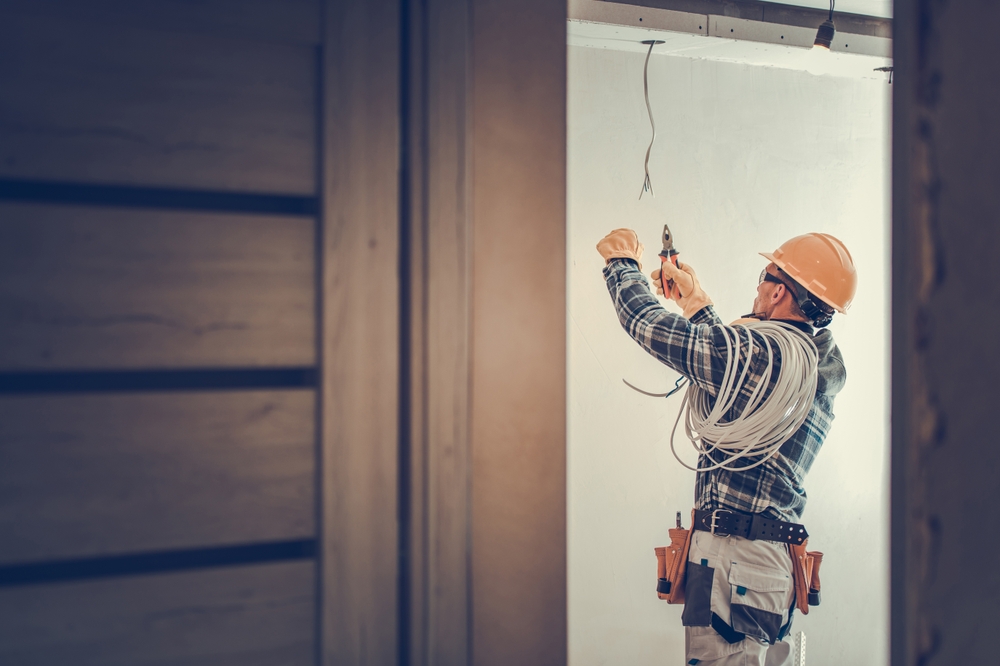
If your Sacramento home was built before 1960, there’s a good chance the wiring behind your walls is older than your grandparents’ furniture — and far more dangerous. Sacramento is a city built on history, and we love that. But some of that history is hiding inside walls, attics, and crawl spaces as outdated, deteriorating electrical wiring that puts families at risk every day. Our team at TNT Electric has rewired hundreds of older Sacramento homes, and we consistently see the same dangerous patterns in the same neighborhoods. Here are the six areas where we find the oldest and most hazardous old wiring in Sacramento — and exactly what homeowners should do about it.
Table of Contents
- Land Park (1920s–1940s) — Knob-and-Tube Wiring Central
- Curtis Park (1910s–1930s) — Some of Sacramento’s Oldest Residential Wiring
- East Sacramento / Fab 40s (1920s–1950s) — Mixed Wiring Eras
- Midtown Sacramento (1900s–1940s) — Converted Victorians with Questionable Wiring
- Oak Park (1890s–1930s) — Sacramento’s Second-Oldest Neighborhood
- Tahoe Park (1930s–1950s) — Where Aluminum Wiring Meets Cloth Wiring
Quick Guide: Old Wiring Types in Sacramento Homes
Before we dive in, here are the three wiring types we encounter most often — and why each one is a concern:
- Knob-and-tube (1880s–1930s): Porcelain knobs route ungrounded wires through open air. No ground wire, no capacity for modern loads, and rubber insulation that cracks after decades of Sacramento’s 100°F summers. Most California insurers now refuse to cover homes with active knob-and-tube.
- Cloth-sheathed wiring (1920s–1960s): Wires wrapped in cotton or rayon fabric instead of modern thermoplastic. The cloth degrades and exposes bare conductors — especially in attics where Sacramento heat accelerates breakdown.
- Aluminum wiring (1965–1976): Used during a national copper shortage. Aluminum expands and contracts more than copper, loosening connections over time. The S. Consumer Product Safety Commission found these homes are 55 times more likely to reach fire-hazard conditions at connections.
Understanding the dangers of old wiring is the first step toward protecting your home.
1. Land Park (1920s–1940s) — Knob-and-Tube Wiring Central
Land Park is one of Sacramento’s most desirable neighborhoods — tree-lined streets, proximity to William Land Park, and beautifully maintained Period Revival homes built primarily during the 1930s. But behind those charming Tudor facades, we routinely find concerning old wiring in Sacramento homes here.
What we typically find: Most original Land Park homes were wired with knob-and-tube, often supplemented by cloth-sheathed wiring in additions from the 1940s and 1950s. Many still have original 60-amp fuse panels — a fraction of what modern households demand during Sacramento’s air-conditioning-intensive summers.
The biggest problem: Homeowners and contractors have blown insulation directly over active knob-and-tube in attics. This wiring was designed to dissipate heat through open air — bury it in insulation and you create a fire risk that smolders silently. We’ve pulled back attic insulation in Land Park homes and found charred wiring one hot day away from igniting.
What to do: A whole-house rewiring for a typical 1,400–1,800 sq ft Land Park home runs $12,000–$20,000 depending on accessibility and panel needs. SMUD requires a permit and final inspection before reconnecting upgraded service and currently offers up to $2,000 in rebates through the Go Electric program for panel upgrades.
Insider tip: Buying in Land Park? Don’t rely solely on the general home inspection. Hire a licensed electrician to open junction boxes and check the attic. We’ve seen homes listed as “updated electrical” with active knob-and-tube behind freshly painted walls.
2. Curtis Park (1910s–1930s) — Some of Sacramento’s Oldest Residential Wiring
Just south of Land Park, Curtis Park holds some of Sacramento’s most architecturally significant homes — and its oldest residential wiring. Many Craftsman bungalows and Tudor cottages along Highland Avenue date to the 1910s and 1920s, with a local genealogy project recently documenting over 100 homes that have crossed the century mark.
What we typically find: Curtis Park homes are the most likely in Sacramento to contain original knob-and-tube. These homes were wired when electricity was a novelty — maybe four or five circuits total, no bathroom outlets, and one outlet per bedroom. We frequently discover wiring that’s been patched, spliced, and jury-rigged over a hundred years of use.
The biggest problem: Successive amateur upgrades. A homeowner in the 1950s added circuits. Another in the 1970s tied aluminum wiring into the existing knob-and-tube. The result: a patchwork of incompatible wiring types connected with improper splices — a nightmare for identifying and isolating hazards.
What to do: Rewiring older Sacramento homes of this vintage involves running new Romex (NM-B) cable, installing a modern 200-amp panel, and meeting current NEC 2023 standards as adopted under California’s Title 24. Budget $15,000–$25,000 for a complete Curtis Park rewire, factoring in the complexity of plaster-and-lath walls.
Insider tip: Curtis Park’s plaster-and-lath construction matters for your estimate. Unlike drywall, plaster is harder and costlier to patch. Ask your electrician about fishing wires through existing pathways to minimize wall damage — an experienced crew can save thousands in repair costs.
3. East Sacramento / Fab 40s (1920s–1950s) — Mixed Wiring Eras
The “Fabulous Forties” features some of Sacramento’s most impressive residential architecture — grand Tudor, Colonial Revival, and Mediterranean estates developed during the city’s 1920s and 1930s economic boom. The broader East Sacramento area spans several construction decades, creating a complicated mix of wiring types behind those stately exteriors.
What we typically find: Earlier homes (1920s) have knob-and-tube on original floors with cloth wiring in additions. Homes from the late 1930s–1940s have cloth wiring throughout. Post-war homes may have early thermoplastic cable — better, but still aging. Many Fab 40s homes exceed 2,500 square feet, meaning more wiring, more circuits, and higher stakes.
The biggest problem: These homes have massive electrical appetites. Central AC, pool equipment, double ovens, EV chargers — today’s Fab 40s lifestyle demands 200+ amps of service. But many homes run on original 100-amp panels with wiring designed for lamps and a radio. Overloaded old wiring is how Sacramento old homes electrical fires start.
What to do: Even “partially updated” East Sacramento homes need a full circuit-by-circuit assessment. Partial rewires are common here — modern wiring in the kitchen but original cloth still energized in bedrooms. A full rewire for larger Fab 40s homes: $18,000–$30,000+. Typical 1,800–2,200 sq ft East Sacramento bungalows: $14,000–$22,000.
Insider tip: Planning an EV charger, heat pump, or solar panels? You’ll likely need a panel upgrade anyway. Bundle it with a rewire to save on labor and permits — SMUD only disconnects and reconnects service once.
4. Midtown Sacramento (1900s–1940s) — Converted Victorians with Questionable Wiring
Midtown is Sacramento’s vibrant urban core — walkable streets and block after block of Victorian, Queen Anne, and Craftsman homes dating from the early 1900s. What makes Midtown’s dangerous wiring problem unique: many grand single-family homes have been converted into duplexes, triplexes, and apartments, with electrical work ranging from questionable to terrifying.
What we typically find: Original Midtown Victorians were wired with knob-and-tube for single-family use. When carved into multiple units mid-century, circuits were added, sub-panels installed in closets, and wiring run through any available space. We’ve opened walls in Midtown conversions and found three different wiring eras spliced with electrical tape — no junction boxes, no proper connectors.
The biggest problem: Unpermitted conversion work. Many Midtown multi-unit conversions happened without permits in the 1960s and 1970s — meaning no inspector ever verified the electrical work was safe. Combined with multiple tenants running separate HVAC, kitchens, and entertainment systems, overloaded legacy wiring is an everyday reality.
What to do: California landlords have a legal obligation to provide safe electrical systems under Civil Code § 1941. A full rewire of a converted Midtown Victorian typically runs $20,000–$35,000, including separate metering, code-compliant sub-panels, and proper circuit separation. The City of Sacramento requires permits for all electrical work.
Insider tip: Midtown renters — if you notice flickering lights, warm outlet covers, burning smells near outlets, or breakers that trip frequently, document and notify your landlord in writing immediately. These are symptoms of dangerous old wiring that need professional attention.
5. Oak Park (1890s–1930s) — Sacramento’s Second-Oldest Neighborhood
Oak Park holds a special place in Sacramento history. Established in 1887 when developer Edwin K. Alsip subdivided the 230-acre William Doyle ranch, it became Sacramento’s first streetcar suburb — horse-drawn streetcars replaced by electric trolleys by 1891. This means Oak Park contains some of the oldest standing residential structures in Sacramento, with homes dating to the 1890s.
What we typically find: The oldest Oak Park Victorians were wired with the earliest generation of knob-and-tube — or were originally built without electricity and retrofitted later. Retrofit jobs are often the most hazardous: electricians in the 1910s ran wiring through whatever pathways were available, sometimes directly against wood framing without required air gaps. Bungalows from the 1920s–1930s have standard knob-and-tube transitioning to early cloth wiring.
The biggest problem: Oak Park homes have changed hands multiple times through periods of disinvestment and revitalization. Electrical maintenance was deferred for decades. Now, as the neighborhood experiences a well-deserved renaissance, buyers are discovering wiring conditions requiring immediate attention. We’ve inspected Oak Park homes where insulation crumbled to dust when touched.
What to do: Any Oak Park home built before 1940 is a strong candidate for whole-house rewiring unless a licensed electrician can verify the system has been fully updated. For a typical 1,000–1,400 sq ft Oak Park bungalow: $10,000–$18,000 including a 200-amp panel upgrade.
Insider tip: Renovating in Oak Park? When walls are already open, rewiring costs drop significantly — electricians don’t need to fish wires through closed cavities. If you’re planning a kitchen or bathroom remodel, rewire the whole house simultaneously and save 20–30% on electrical labor.
6. Tahoe Park (1930s–1950s) — Where Aluminum Wiring Meets Cloth Wiring
Tahoe Park sits southeast of downtown — a neighborhood of compact cottages and ranch homes that boomed after World War II. While it lacks the pre-1920s vintage of Oak Park or Curtis Park, Tahoe Park presents its own distinct and often overlooked Sacramento old homes electrical dangers, sitting right at the intersection of two problematic wiring eras.
What we typically find: Earlier Tahoe Park homes (1930s–early 1940s) have cloth-sheathed wiring that dries out and cracks over time. Later homes have early thermoplastic wiring — aging but generally safer. The surprise comes in homes updated during the 1960s and early 1970s: aluminum branch circuit wiring. We regularly find original cloth wiring feeding main living areas while aluminum runs to additions, converted garages, and updated kitchens.
The biggest problem: Cloth insulation deteriorates from Sacramento’s extreme attic heat — we’ve measured attic temperatures exceeding 150°F in July and August. Meanwhile, aluminum connections oxidize and loosen from thermal cycling. Both hazards under one roof multiplies the risk. Many Tahoe Park homes also still have Federal Pacific Electric (FPE) or Zinsco panels — brands with documented histories of breaker failure.
What to do: Prioritize a panel assessment and wiring inspection. If you have an FPE Stab-Lok or Zinsco panel, replace it — these are known to fail during overcurrent events. For aluminum wiring, options include full replacement or approved COPALUM/AlumiConn connectors at every connection point. Full rewire for a typical 1,100–1,500 sq ft Tahoe Park home: $10,000–$16,000. Aluminum remediation with connectors alone: $3,000–$6,000.
Insider tip: Tahoe Park’s single-story ranch construction with accessible attics and crawl spaces makes rewiring more straightforward than two-story plaster homes. When your electrician can access the attic and subfloor, they can run new wiring without opening most walls — keeping drywall repair costs minimal.
Frequently Asked Questions
How much does it cost to rewire an old house in Sacramento?
The cost to rewire a home in Sacramento typically ranges from $8,000 to $30,000 depending on square footage, number of stories, wall construction (plaster vs. drywall), and panel needs. Most older Sacramento homes in the 1,200–2,000 sq ft range fall between $12,000 and $22,000 for a complete rewire including a 200-amp panel. California’s Title 24 energy code and NEC 2023 requirements may add costs for AFCI breakers and additional circuits now required in bedrooms, kitchens, and laundry rooms.
Can I get homeowners insurance with knob-and-tube wiring in Sacramento?
It’s increasingly difficult. Most major California insurers — including State Farm, Allstate, and Farmers — now decline coverage or require removal of active knob-and-tube before issuing a policy. Some specialty insurers write policies at 2–3x standard premiums but typically require a licensed electrician’s report. If you’re buying a home with knob-and-tube, factor the cost of rewiring older Sacramento homes into your purchase budget.
Does the City of Sacramento require old wiring to be replaced?
Sacramento doesn’t mandate rewiring solely because wiring is old. However, California law requires all electrical work during renovations to meet current NEC 2023 code (as adopted under Title 24). If you remodel a kitchen or modify your electrical system, affected portions must meet current code. In practice, once walls open in a pre-1950s home and an electrician discovers knob-and-tube or degraded cloth wiring, the scope of required upgrades often expands significantly. SMUD must inspect and approve service upgrades before reconnection.
Ready to Get Started?
Living in one of Sacramento’s historic neighborhoods is a privilege — these homes have character and craftsmanship that new construction can’t replicate. But that beauty needs safe, modern electrical infrastructure behind it. Whether you’re in a 1920s Land Park Tudor, a 1910 Curtis Park Craftsman, or a 1950s Tahoe Park ranch, the wiring behind your walls deserves the same attention as the roof over your head.
A professional wiring assessment takes just a few hours and gives you a complete picture of your home’s electrical condition — plus a clear, prioritized plan for any upgrades.
Call TNT Electric today at (916) XXX-XXXX or schedule your free wiring assessment to get expert eyes on your older Sacramento home’s electrical system.
TNT Electric Co. is Sacramento’s trusted licensed electrical contractor serving Sacramento, Roseville, Citrus Heights, Fair Oaks, Carmichael, and surrounding areas.
Our Services at a Glance
At TNT Electric, we are a licensed electrical company based in Citrus Heights, CA, proudly serving the Sacramento area with dependable, professional service.
View Services

