


A whole-home surge protector and a plug-in surge protector cover different parts of your electrical system. For a Citrus Heights homeowner comparing surge protection options, a panel-mounted device protects circuits throughout the home, while a plug-in model protects equipment connected to that specific device. The right choice depends on what you want to protect and how your home’s electrical system is set up.
At TNT Electric Co., we include whole-home surge protection among the electrical work we handle for local homeowners. Here’s how the two options differ, what each one can and can’t do, and what to consider before adding protection at your panel.
What a whole-home surge protector does
A whole-home surge protector, also called a surge protective device, connects to the home’s electrical system at or near the main panel. It responds to certain voltage spikes and limits how much excess voltage continues through the system.
Because it connects at the panel, it can cover circuits throughout the house. That matters for equipment that doesn’t plug into a power strip, such as some heating and cooling equipment, built-in appliances, and other hardwired loads. The exact coverage depends on the device and installation.
Surges can come from outside the home, including utility activity or nearby lightning. They can also start inside the home when larger electrical equipment switches on or off. A surge protector at the panel addresses the home’s electrical system broadly, rather than protecting only the items plugged into one strip.
A whole-home device doesn’t make a house immune to every electrical event. It also won’t keep the lights on during an outage or repair existing wiring problems. It adds one layer of protection within a properly functioning electrical system.
What a plug-in surge protector covers
A plug-in surge protector sits between a wall outlet and the devices connected to it. It can be a practical option for a computer, television, router, or other electronics in one location.
Its coverage is limited to equipment plugged into that protector. It won’t protect a hardwired appliance or a device connected to a different outlet. And a power strip isn’t automatically a surge protector. Check the product labeling to confirm that it includes surge protection.
The Electrical Safety Foundation International explains the difference between whole-home and point-of-use surge protection. Its guidance also notes that plug-in protectors need to be replaced over time or after a major surge event. Follow the manufacturer’s instructions, and check the device’s indicator or status light if it has one.
When both types make sense
A panel-mounted protector and a plug-in protector can serve different purposes in the same home. The first covers circuits broadly; the second gives certain electronics protection at the outlet. One doesn’t automatically make the other unnecessary.
For example, a homeowner might want protection for the home’s electrical system and still use a plug-in surge protector for a computer setup. Some plug-in devices also include features beyond surge protection, such as extra outlets or USB ports. Those features don’t change the need to check that the product is specifically rated for surge protection.
Neither type should be treated as a guarantee against damage. ESFI notes that surge protection cannot handle a direct lightning strike. If a storm is approaching and it’s safe to do so, unplugging sensitive electronics can add a practical precaution.
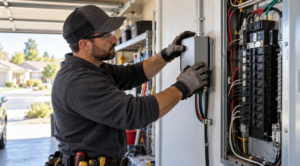
Is a whole-home surge protector worth considering?
A whole-home surge protector is worth discussing if you want protection that reaches beyond one outlet or power strip. It can be especially relevant when a home contains a mix of hardwired equipment and electronics spread across several rooms.
It’s also worth bringing up during other electrical work. If you’re already planning a panel-related project or remodel, your electrician can discuss whether adding surge protection fits the work and the condition of the existing system. TNT Electric Co.’s electrical services in Citrus Heights include panel upgrades, remodel electrical work, and whole-home surge protection.
A dedicated evaluation is useful when you’re unsure whether your current panel can accommodate the device or whether the home needs other electrical work first. The condition and layout of the panel, existing wiring, and installation requirements all matter. A plug-in protector, meanwhile, can be a more targeted option if your main concern is a small group of electronics in one spot.
What to ask before installing one
Before choosing a device, think about what you want to protect. Are you concerned about one computer and television, or do you want protection across the electrical system, including equipment that doesn’t plug into a strip? That answer can help narrow the options.
If you’re considering a panel-mounted device, ask an electrician:
- Where would the device connect to the electrical system?
- Is the existing panel in suitable condition for the installation?
- What circuits or equipment does the selected device cover?
- How will you know if the device needs attention or replacement?
- Are there other issues with the panel or wiring that should be addressed first?
For plug-in protection, check that the product is actually rated as a surge protector, follow its instructions, and replace it according to the manufacturer’s guidance. Avoid assuming that a strip with multiple outlets includes surge protection.
A useful next step for Citrus Heights homeowners
The main difference is coverage. A whole-home surge protector connects at the panel and covers the electrical system more broadly. A plug-in surge protector covers the equipment connected to that specific device. Depending on what you own and want to protect, you might use one or both.
If you’re considering panel-mounted protection or already planning electrical work, contact TNT Electric Co. to discuss your home’s setup. We can review the electrical scope and explain whether whole-home surge protection makes sense as part of the project. Use our contact page to request an estimate.
Our Services at a Glance
At TNT Electric, we are a licensed electrical company based in Citrus Heights, CA, proudly serving the Sacramento area with dependable, professional service.
View Services

