

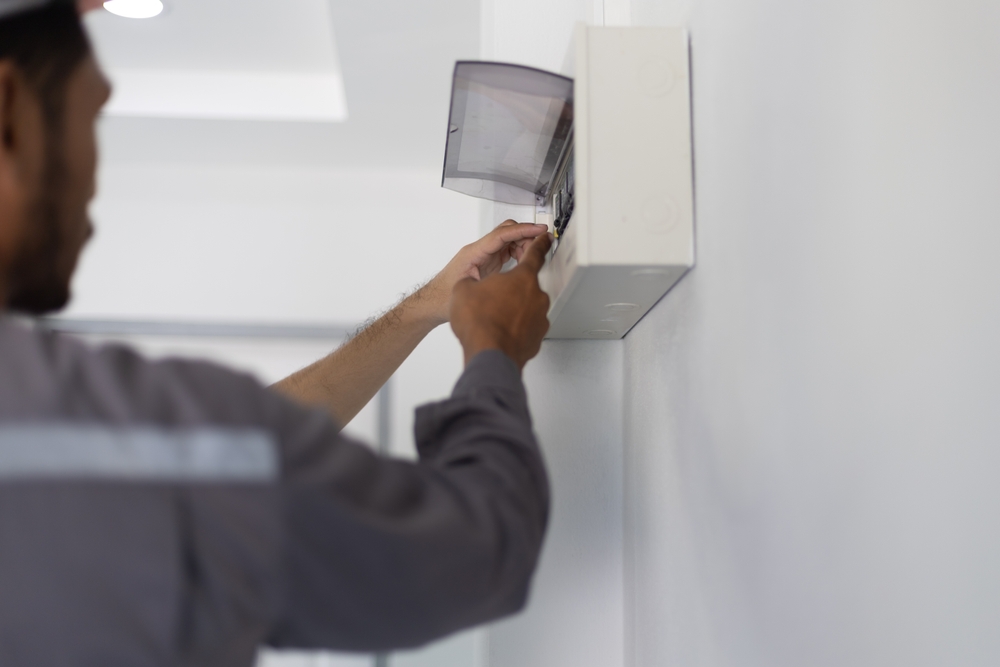
Expanding your home’s electrical capacity is a major milestone for any property owner. Whether you are building an addition, setting up a new workshop, or making room for heavy-duty appliances, a subpanel offers the extra breaker space you need. However, working with electricity is incredibly unforgiving. A single oversight can turn a standard home improvement project into a severe safety hazard.
Many ambitious individuals attempt to wire these secondary panels themselves. Unfortunately, they often misunderstand the strict technical requirements enforced by the National Electrical Code (NEC). Incorrect wiring leads to property damage, electrical fires, and rejected municipal permits.
We will explore the most critical errors made during these installations. You will learn the hidden dangers of improper grounding, the risks of undersized wires, and why adhering to local Sacramento building codes is non-negotiable. Understanding these pitfalls ensures your electrical upgrades are safe, efficient, and fully compliant with the law.
Understanding the Role of a Subpanel
Before diving into the errors, you must understand what this equipment actually does. A subpanel is a secondary electrical box connected to your main service panel. It does not pull new power directly from the utility grid. Instead, it distributes the electricity already supplied to your home into a new localized area.
Think of your main breaker box as the trunk of a tree and the subpanel as a major branch. This branch splits off to feed smaller twigs, which are your individual branch circuits. This setup is perfect for areas of the home that require multiple circuits but are located far from the main equipment.
Homeowners in Sacramento often add these secondary boxes to support modern lifestyles. However, slapping a new metal box on the wall and running wire is never a simple task. Every connection must be mathematically calculated and physically secured. When you need to expand your system, exploring professional electrical services is the smartest first step to avoid the hazards we are about to discuss.
Mistake 1: Failing to Separate Ground and Neutral Bars
This is arguably the most common and most dangerous technical error made during installation. In your main service panel, the neutral wires (which carry current back to the source) and the ground wires (which provide a safe path for fault current) are bonded together. They connect to the exact same metal bus bar.
When people install a secondary panel, they often replicate this setup. They assume that because the ground and neutral are bonded in the main box, they should be bonded in the secondary box. This is a massive violation of the National Electrical Code.
The Danger of Improper Bonding
If you bond the neutral and ground wires in a subpanel, you create parallel paths for the return electrical current. The current will travel back to the main panel on both the neutral wire and the ground wire simultaneously.
The ground wire is only supposed to carry current during a sudden electrical fault, like a short circuit. If it carries current constantly, the metal casing of your appliances and the panel itself become energized. Touching your washing machine or the metal panel cover could result in a lethal shock.
How to Wire It Correctly
In any secondary panel, the neutral bus bar must be completely isolated from the metal enclosure. The ground bus bar must be bonded directly to the metal enclosure. You must run a four-wire feeder cable from the main equipment: two hot wires, one neutral wire, and one dedicated ground wire.
The neutral wires from your new branch circuits only connect to the floating neutral bar. The bare copper ground wires only connect to the bonded ground bar. This strict separation ensures that fault current has a clear, safe path back to the earth without energizing your home’s metal surfaces. If you suspect your current setup mixes these wires, you need immediate electrical troubleshooting in Sacramento to correct this severe safety hazard.
Mistake 2: Using the Wrong Wire Size for the Feeder Cable
Electricity generates heat as it moves through a wire. The thicker the wire, the more current it can carry safely without overheating. The cable that connects your main breaker box to your new secondary box is called the feeder cable. Selecting the wrong size for this cable is a recipe for disaster.
Understanding Ampacity and Voltage Drop
Ampacity refers to the maximum amount of electrical current a conductor can carry continuously under the conditions of use without exceeding its temperature rating. If you install a 100-amp subpanel, you must use a feeder cable rated for at least 100 amps.
Many DIYers try to save money by purchasing thinner, cheaper wire. They might connect a 100-amp breaker to a wire only rated for 60 amps. When the new circuits draw heavy power, the undersized wire acts like a bottleneck.
Additionally, you must account for voltage drop. If your new workshop is located 150 feet away from the main house, the electricity loses pressure as it travels that long distance. You must upsize the wire to compensate for this drop, ensuring your tools and appliances receive the correct voltage to operate efficiently.
The Risks of Undersized Wires
When an undersized wire attempts to carry too much current, the internal resistance causes the copper or aluminum to heat up rapidly. This intense heat melts the protective plastic insulation surrounding the wire.
Once the insulation melts away, the bare energized metal touches the surrounding wood framing or the metal conduit. This causes catastrophic electrical arcing and immediate fire ignition. Proper wire sizing is a complex mathematical process. Getting it wrong destroys property and puts lives at risk.
Mistake 3: Skipping the Permitting and Inspection Process
Home improvement shows often make renovations look incredibly fast and easy. They rarely show the tedious administrative work happening behind the scenes. Many Sacramento homeowners decide to skip the municipal permitting process to save a few hundred dollars and avoid waiting for inspectors.
Sacramento Building Codes
The city of Sacramento enforces strict building codes designed to protect residents from catastrophic failures. Every significant electrical alteration requires a legally pulled permit. By skipping this step, you are breaking local laws and creating a massive liability for your property.
When you pull a permit, you are legally binding yourself to the standards of the California Electrical Code. You must submit load calculations proving your home can handle the new power demand. The city reviews these plans before any physical work begins, acting as a vital safety net.
Why Inspections Matter
An inspector’s job is not to make your life difficult. Their job is to catch the technical errors you might have missed. They will check the torque on your connections, verify the separation of grounds and neutrals, and ensure your feeder cable is sized correctly.
Unpermitted work voids your homeowner’s insurance policy. If an illegal installation causes a fire, your insurance company will deny the claim, leaving you financially ruined. Furthermore, unpermitted work stalls real estate transactions. Savvy buyers will demand to see permits. If you cannot provide them, you will likely lose the sale.
Before you undertake any major electrical expansion, always secure the proper permits. If you recently purchased a home and suspect the previous owner bypassed this process, scheduling a comprehensive electrical inspection in Sacramento helps you identify and resolve hidden code violations.
Mistake 4: Overloading the Main Panel
A subpanel gives you more physical slots to plug in new circuit breakers. However, it does absolutely nothing to increase the total amount of electricity flowing into your home from the utility company.
Calculating the Total Load
Before adding new infrastructure, you must perform a comprehensive electrical load calculation. This formula assesses the total wattage of all your existing appliances, lighting, and HVAC systems. It determines how much of your main service capacity is currently being used.
If your home has an older 100-amp service, and your load calculation shows you are already using 85 amps during peak times, adding a 60-amp secondary panel is incredibly dangerous. The main breaker will constantly trip because the overall demand exceeds the physical supply.
When a Subpanel Isn’t Enough
Homeowners often make the mistake of expanding their branch circuits without upgrading the source. If your total power demand exceeds your current service rating, a secondary box will not solve your problem.
In these situations, you must contact your utility provider and a licensed electrician to completely overhaul your primary equipment. This involves replacing the meter base, the main service conductors, and the primary breaker box to bring more total amperage into the home. If your load calculation reveals a massive deficit, you need a full electrical panel upgrade rather than a simple system extension.
Mistake 5: Improper Working Clearances
Electrical equipment requires space. You cannot cram a breaker box into a tight closet, hide it behind a bookshelf, or install it above a bathroom sink. The NEC dictates strict rules regarding the physical space surrounding electrical panels to ensure safe access during emergencies.
NEC Clearance Requirements
The code requires a dedicated clear space in front of any electrical panel. Specifically, you need a minimum of 36 inches of depth in front of the panel, 30 inches of width, and 78 inches of headroom. This space must remain completely clear of storage boxes, shelving, and appliances.
People frequently make the mistake of installing secondary panels in cramped utility closets or behind laundry machines. If a breaker catches fire or a person is being shocked, an electrician or first responder must be able to reach the equipment instantly. Obstructing this workspace is a severe safety violation that will instantly fail a municipal inspection.
Mistake 6: Ignoring Existing Outdated Wiring
Adding modern infrastructure to a historic Sacramento home presents unique challenges. Many older homes still contain original wiring methods that are no longer considered safe by modern standards.
Mixing Old and New Systems
When installing a new subpanel, you might be tempted to tie old, existing circuits into the new pristine box. If your home has outdated knob-and-tube wiring or ungrounded cloth-sheathed cables, simply moving them to a new breaker does not make them safe.
Modern breakers are designed to work with modern grounded wiring. Tying delicate, decaying wires into a new high-capacity system often leads to fragile connections and increased fire risks. If your home is suffering from widespread electrical degradation, a simple box expansion will not fix the underlying structural rot.
You must address the root cause of the danger. In many historic properties, investing in whole-house rewiring is the only way to ensure the entire property meets contemporary safety standards before integrating new power distribution centers.
Mistake 7: Using Incompatible or Incorrect Breakers
Not all circuit breakers are created equal. You cannot simply walk into a hardware store, grab the cheapest breaker on the shelf, and snap it into your new panel.
Brand Compatibility
Breaker boxes are engineered by specific manufacturers, such as Square D, Eaton, or Siemens. These manufacturers design their panels to accept only their specific proprietary breakers. While a different brand’s breaker might physically wedge into the slot, it will not seat correctly against the internal bus bar.
Using an incompatible breaker creates a loose connection. Loose connections generate intense heat, which quickly leads to electrical arcing and panel fires. Furthermore, using off-brand components instantly voids the manufacturer’s warranty and violates the NEC.
You must also use the correct type of breaker for the specific room. Modern codes require Arc-Fault Circuit Interrupters (AFCI) for living areas and Ground-Fault Circuit Interrupters (GFCI) for wet areas like kitchens and bathrooms. Failing to use these specialized safety devices is a major installation error. When upgrading or fixing these components, rely on professional circuit breaker replacement to guarantee total compatibility and code compliance.
Specific Projects That Go Wrong Without Proper Subpanels
Certain home upgrades require massive amounts of dedicated power. Attempting to force these high-demand projects onto a crowded main panel always ends poorly.
Electric Vehicle Charging Stations
California is leading the charge toward electric transportation. Charging an EV at home is highly convenient, but it places a massive, continuous strain on your electrical system. A standard Level 2 charger requires a dedicated 240-volt circuit capable of handling 40 to 60 amps.
If you attempt to squeeze an EV breaker into a full main panel using tandem breakers, you risk catastrophic overheating. A dedicated secondary panel provides the clean, safe space required for this heavy continuous load. Proper planning is the only way to ensure a safe, efficient EV charger installation in Sacramento.
Upgraded Lighting Systems
Transforming the ambiance of your home often involves complex lighting designs. Modern layouts require multiple switching zones, dimmers, and dozens of individual fixtures.
While LED lights are highly efficient, breaking them up into sensible, controllable circuits requires breaker space. Attempting to wire an entire home’s new lighting scheme into one existing circuit leads to flickering lights and tripped breakers. Routing these new zones through a localized secondary panel makes a large-scale recessed lighting installation organized, safe, and easy to maintain.
Why You Need Professional Installation
Watching a few online tutorials does not make someone an electrician. The stakes are simply too high to treat your home’s electrical grid as a weekend hobby project.
The Value of Hiring Experts
Licensed electricians spend years mastering the physics of electricity and the nuances of the National Electrical Code. They know exactly how to size feeder cables for distance and demand. They understand the vital importance of isolating neutral and ground wires.
Most importantly, professionals carry liability insurance. If something goes wrong, you are financially protected. They handle the complex load calculations, navigate the Sacramento permitting process on your behalf, and guarantee the work will pass municipal inspection.
Do not risk your property value or your family’s safety to save a few dollars on labor. When you are ready to expand your system correctly, secure a professional subpanel installation in Sacramento to ensure the job is executed flawlessly from start to finish.
Conclusion
Installing a subpanel is a highly technical procedure that demands precision, mathematical planning, and a deep respect for building codes. The most common mistakes—failing to separate grounds and neutrals, undersizing wires, and ignoring local permit laws—frequently lead to catastrophic fires and severe financial liabilities.
Your home’s electrical system is its beating heart. Expanding it safely requires the expertise of seasoned professionals who understand the unique demands of Sacramento properties. By avoiding dangerous DIY pitfalls and trusting licensed experts, you guarantee your new electrical infrastructure will power your home safely for decades to come. Ensure your next home improvement project starts on a solid, legal foundation by prioritizing professional assessment and flawless execution.
Our Services at a Glance
At TNT Electric, we are a licensed electrical company based in Citrus Heights, CA, proudly serving the Sacramento area with dependable, professional service.
View Services

