

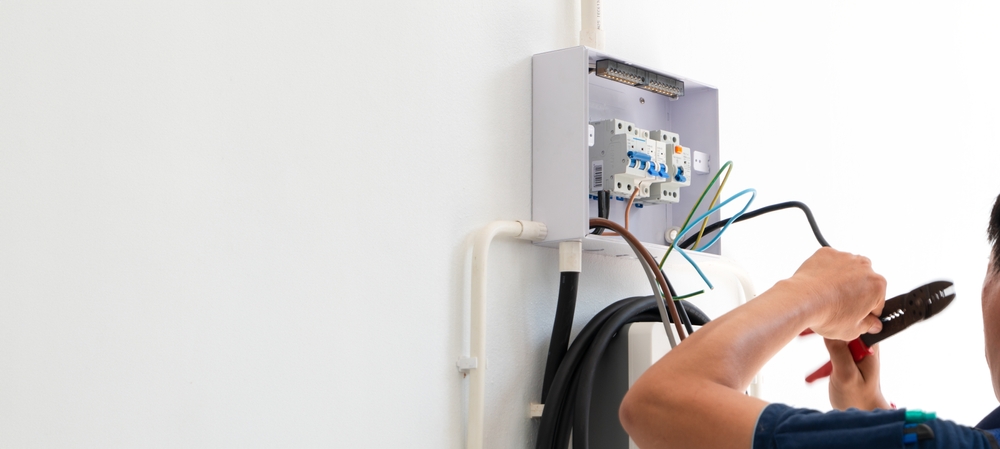
Your home runs on electricity. Every time you flip a switch, charge your car, or turn on the air conditioning during a hot Sacramento summer, you rely on a complex network of wires and circuits. At the heart of this system sits your main electrical panel. It takes the power supplied by the utility company and distributes it throughout your property. But what happens when that central hub runs out of room?
As we add more appliances, build home extensions, and upgrade our technology, our electrical demands grow. The main panel can quickly become overcrowded. When you need to add new circuits but lack the physical space in your primary breaker box, the safest and most effective solution is often an electrical subpanel.
In this comprehensive guide, we will break down the technical functions of a subpanel, explore the key differences between a main panel and a subpanel, and highlight the most common signs that indicate you need one. We will also look at the specific benefits for Sacramento homeowners looking to upgrade their electrical infrastructure safely and efficiently.
Understanding Your Home’s Electrical System
To grasp the purpose of a subpanel, we first need to look at how electricity enters and moves through your house.
The Role of the Main Electrical Panel
The main electrical panel—often called the breaker box or distribution board—serves as the primary gateway for electricity entering your home. The utility company delivers power to your meter, which then feeds directly into this main panel.
Inside the main panel, you will find a large main circuit breaker. This master switch controls the power for the entire property. Below it sits a series of smaller circuit breakers. Each of these smaller breakers controls a specific zone or appliance in your house, such as the kitchen outlets, the HVAC system, or the living room lights.
When a circuit draws more current than it can safely handle, the breaker trips, cutting off the power and preventing a potential fire. Over time, as you upgrade your home, you add more breakers. Eventually, the physical slots inside the main panel fill up completely.
How a Subpanel Fits In
A subpanel acts as a satellite breaker box. It does not connect directly to the utility line. Instead, it draws its power from a large circuit breaker located inside the main panel.
Think of your main electrical panel as the trunk of a tree and the subpanel as a large, primary branch. The subpanel takes a portion of the total electrical capacity from the trunk and splits it into smaller, more manageable branches (individual circuits) to power specific areas of your home.
What Is a Subpanel?
A subpanel, functionally known as a secondary distribution panel, contains its own set of circuit breakers. It provides a localized hub for distributing electricity to a specific area, such as a garage, an accessory dwelling unit (ADU), a workshop, or a newly remodeled kitchen.
The Mechanics of a Subpanel
Subpanels typically range in capacity from 60 amps to 125 amps, depending on the needs of the space they serve. Four primary wires connect the main panel to the subpanel:
- Two hot wires (providing the power).
- One neutral wire (returning the current).
- One ground wire (providing a safe path for electrical faults).
Unlike the main panel, a subpanel usually does not have a single “main” disconnect switch, because the breaker feeding it from the main panel serves that function. However, local building codes sometimes require a disconnect switch at the subpanel if it is located in a detached building, like a backyard workshop or guest house.
Subpanel vs. Main Panel
The primary difference between the two panels lies in how they receive power. The main panel connects to the power grid. The subpanel connects to the main panel.
Additionally, the wiring configuration inside the boxes differs slightly. In a main panel, the neutral and ground wires often connect to the same bus bar. In a subpanel, electricians must strictly separate the neutral and ground bus bars. Keeping these separate prevents the electrical current from traveling on the ground wire under normal conditions, which protects you from electrical shocks and keeps the system up to code.
Why Sacramento Homeowners Use Subpanels
Sacramento experiences scorching summers that demand heavy air conditioning use, alongside a growing trend toward green energy and electric vehicles. These factors place a heavy burden on residential electrical systems. Homeowners across the region frequently turn to subpanels to solve their electrical challenges.
Expanding Electrical Capacity Safely
Many older homes in Sacramento still operate on 100-amp main panels. Today’s modern households, filled with smart devices, heavy-duty appliances, and home entertainment systems, generally require at least 200 amps.
When homeowners want to add new features without entirely replacing a main panel that still functions well, a subpanel offers a cost-effective bridge. It creates the physical space needed for new circuit breakers, allowing you to route power safely to new additions.
Zone Control and Convenience
Convenience plays a massive role in the decision to install a subpanel. If you build a detached garage or an ADU in your backyard, running individual wires from the main panel all the way across your property for every single outlet and light switch is highly inefficient.
Instead, electricians run one heavy-duty feeder cable from the main panel to a subpanel located inside the new structure. From there, the subpanel distributes power locally. If a breaker trips in the backyard workshop, you only have to walk to the local subpanel to reset it, rather than trekking all the way back to the main house.
7 Signs You Need a Subpanel
How do you know if your home requires this upgrade? Here are the most common scenarios and signs that indicate it is time to consider adding a secondary distribution board.
1. No Space Left in the Main Panel
The most obvious sign you need a subpanel is a lack of physical space in your main breaker box. Open the door to your main panel and look at the slots. If every slot holds a breaker, you cannot add any new dedicated circuits.
Sometimes, homeowners try to bypass this issue by using “tandem” or “piggyback” breakers, which squeeze two switches into a single slot. While tandem breakers are permitted in certain panels, they are not a universal solution and can easily lead to overcrowding and overheating. A subpanel provides a much safer, cleaner way to add more circuits.
2. Adding High-Drain Appliances and EV Chargers
Electric vehicles are more popular than ever in California. If you purchase an EV, charging it through a standard 120-volt wall outlet takes an agonizingly long time. Most EV owners opt for a Level 2 charger, which requires a dedicated 240-volt circuit.
These chargers draw a significant amount of continuous power. If your current setup lacks the room or the localized capacity to support this equipment safely, installing a subpanel in your garage is the perfect solution. To ensure this high-voltage equipment operates flawlessly, you should always rely on professional EV charger installation in Sacramento.
3. Planning a Home Addition or ADU
Accessory Dwelling Units (ADUs) are transforming residential properties across Sacramento. Whether you are building a granny flat for aging parents or a rental unit for extra income, this new structure needs its own power supply.
An ADU requires lighting, heating, cooling, kitchen appliances, and water heating. Running a dedicated subpanel to the ADU gives the occupants localized control over their power and simplifies the wiring process. It also makes it easier to track energy usage if you install a sub-meter alongside it.
4. Extensive Remodeling and Lighting Upgrades
Remodeling a kitchen or a bathroom typically involves modernizing the electrical layout. Modern electrical codes require dedicated circuits for many major kitchen appliances, including microwaves, dishwashers, and refrigerators.
Furthermore, upgrading your lighting layout often involves adding new zones. If you plan a massive lighting overhaul, you will need adequate circuit space. Adding beautiful, energy-efficient fixtures like recessed lighting installation might push an already full main panel over its limit, making a subpanel a necessary component of your renovation.
5. Frequent Tripped Breakers
Does your power shut off every time you run the microwave and the toaster simultaneously? Tripping breakers indicate that a circuit is drawing more power than it can handle.
While a tripped breaker shows that the safety mechanism is working, frequent tripping means your system is poorly balanced or overloaded. You need a professional to conduct electrical troubleshooting in Sacramento to pinpoint the root cause. Often, the solution involves splitting overloaded circuits. If the main panel has no room for the newly separated circuits, you will need a subpanel to accommodate them. Should you find that your actual breakers are failing or refusing to reset properly, you may also require immediate circuit breaker replacement.
6. Outdated Wiring Needing an Overhaul
Homes built decades ago often feature outdated wiring systems, such as knob-and-tube or aluminum wiring. These systems pose severe fire hazards and cannot support modern electrical loads.
When you undertake a project to remove dangerous wiring, you often need to redesign the home’s entire electrical map. During whole house rewiring, electricians frequently install subpanels to better organize the circuits, modernize the distribution, and ensure everything complies with current National Electrical Code (NEC) standards.
7. Upgrading the Entire System
Sometimes, adding a subpanel is just one piece of a larger puzzle. If your home still operates on an obsolete 100-amp service, adding a subpanel won’t magically increase the total amount of power coming from the utility company. A subpanel only distributes the available power; it does not create more of it.
If your total load calculation exceeds your main panel’s capacity, you must upgrade the primary service first. A complete electrical panel upgrade increases your total amperage (usually to 200 amps). During this upgrade, your electrician might recommend keeping the old panel box as a subpanel to save on rewiring costs, while using the new 200-amp panel as the main hub.
The Benefits of Installing a Subpanel
Investing in a subpanel offers several distinct advantages for homeowners looking to improve their property’s infrastructure.
Increased Safety and Reduced Overloads
Safety stands as the ultimate reason to upgrade your electrical distribution. Overcrowded main panels generate excess heat. Heat degrades the insulation around wires, increasing the risk of arcing and electrical fires.
By offloading circuits to a subpanel, you distribute the physical crowding of wires. This promotes better airflow and cooling within the enclosures. Furthermore, it stops homeowners from relying on dangerous daisy-chained extension cords and overloaded power strips, directly reducing fire hazards.
Better Organization and Clearer Circuits
Have you ever looked at the directory on your main panel and felt utterly confused? Decades of modifications by different homeowners often result in tangled wires and mislabeled breakers.
Installing a subpanel allows you to logically group circuits together. For example, you can designate the subpanel exclusively for the garage and exterior landscaping. This localized grouping makes it incredibly easy to identify which breaker controls which area, eliminating the frustrating guesswork when you need to shut off power for maintenance.
Protecting Your Home’s Value
A safe, modern, and expansive electrical system adds tangible value to your property. Potential buyers in Sacramento look for homes that can handle modern demands. They want to know they can plug in their electric vehicles, install hot tubs, or run heavy-duty power tools without facing immediate electrical renovation costs. A professionally installed subpanel demonstrates that the home is well-maintained and future-proofed.
Subpanel Installation in Sacramento
Adding a subpanel is not a weekend DIY project. It involves interacting with high-voltage electricity, understanding complex load calculations, and navigating strict municipal building codes.
Navigating Local Codes and Regulations
Sacramento has specific requirements regarding electrical work. For instance, subpanels must be installed in accessible areas with sufficient clearance. You cannot bury them inside small closets or bathrooms. Additionally, if the subpanel serves a detached structure, specific grounding rules apply, including the installation of new grounding rods.
Failure to follow these codes can result in failed municipal inspections, hefty fines, and severe safety hazards. Licensed electricians stay up-to-date with all NEC and local Sacramento amendments, ensuring your installation passes inspection the first time.
The Importance of Professional Installation
Working with the main electrical feed carries a risk of lethal shock. Professional electricians possess the training, safety gear, and specialized tools to handle this risk. They know how to accurately calculate your home’s total electrical load to ensure the main panel has enough capacity to feed the new subpanel.
When you choose a licensed contractor for your subpanel installation in Sacramento, you secure peace of mind. Professionals properly torque the connections, cleanly route the feeder wires, and meticulously separate the neutral and ground bus bars to prevent hazardous ground loops.
Getting an Initial Assessment
Before you decide on a subpanel, you need a clear picture of your current electrical health. The best way to start is by scheduling a thorough, professional electrical inspection in Sacramento.
An inspector will evaluate your main panel’s capacity, check for outdated or damaged wiring, and calculate the electrical load of your planned upgrades. This assessment provides you with a clear, honest roadmap of exactly what upgrades your home requires to operate safely.
Exploring Comprehensive Electrical Services
Your home’s electrical system works as an interconnected network. A subpanel is a fantastic tool for expanding that network, but it relies on the integrity of the whole system. At TNT Electric, we pride ourselves on delivering solutions that cover every aspect of your home’s power needs.
Whether you need a simple breaker replacement, a complex panel upgrade, or a completely new layout for a home addition, our team brings precision and expertise to every job. To see the full scope of how we can help keep your home safe, efficient, and fully powered, explore our complete list of electrical services.
Conclusion
A subpanel is much more than just a metal box on your wall; it is the key to safely expanding your home’s capabilities. As you add new appliances, build additions, or invest in an electric vehicle, your electrical demands will inevitably outgrow your original main panel.
By installing a subpanel, you prevent dangerous overcrowding, eliminate the annoyance of frequently tripped breakers, and organize your home’s power distribution logically. Most importantly, you create a safer environment for your family while increasing the overall value and functionality of your property.
If you suspect your Sacramento home has reached its electrical limit, do not wait for a hazard to develop. Upgrading your infrastructure ensures your home remains comfortable, efficient, and ready for whatever the future brings. Reach out to a licensed professional today to evaluate your system and take the first step toward a safer, more powerful home.
Our Services at a Glance
At TNT Electric, we are a licensed electrical company based in Citrus Heights, CA, proudly serving the Sacramento area with dependable, professional service.
View Services

