

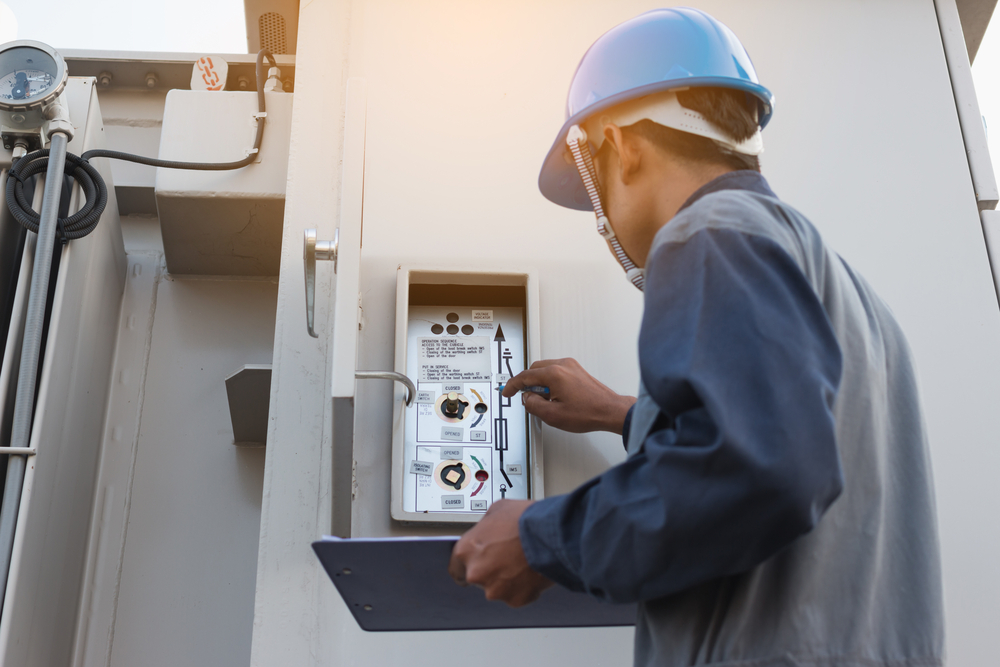
Expanding your home provides exciting new possibilities. Whether you are building a luxurious master suite, converting a dusty attic into a vibrant home office, or adding a sunroom to enjoy the Sacramento weather, a new addition breathes life into your property. However, behind the fresh drywall and fresh paint, your new space requires a robust nervous system to function. That system is your electrical wiring.
Every new room brings a new set of electrical demands. You need power for lighting, heating, cooling, and the multitude of devices that run our daily lives. Often, homeowners focus heavily on the architectural design of an addition while overlooking how they will actually power it. If your primary breaker box is already full or located far away from the new construction, simply running a few extra wires is not a viable or safe option.
To safely distribute electricity to a brand-new space, contractors and electricians frequently rely on a secondary distribution center. In this guide, we will explore exactly why home additions require dedicated electrical distribution. We will discuss the technical benefits of localized circuit control, how it simplifies the wiring process, and how to determine if your upcoming renovation needs this essential upgrade.
The Electrical Demands of a New Space
Adding square footage to your house directly increases your total energy consumption. A new room is not just empty space; it is a hub of new activity that draws continuously from your home’s power grid.
Increased Heating and Cooling Needs
Sacramento experiences intense summer heat that routinely pushes past 100 degrees. When you add a sunroom or an attic conversion, you introduce spaces that are notoriously difficult to cool. Your existing central HVAC system might not have the capacity to push cold air into these new areas effectively.
As a result, homeowners often install ductless mini-split systems or high-efficiency window units to keep the new space comfortable. These cooling systems pull a significant amount of continuous electrical current. They require dedicated circuits to operate safely without tripping your main breakers.
Modern Lighting and Tech Requirements
A modern addition requires modern amenities. You will likely want plenty of outlets for televisions, computers, and charging stations. Furthermore, lighting design plays a huge role in how a new room feels.
Instead of a single ceiling fixture, many homeowners opt for extensive recessed lighting installation to give the space a bright, open feel. These multi-fixture setups, combined with smart home technology and entertainment systems, require a carefully planned electrical layout. Routing all of these new demands directly to an aging main panel is a recipe for an overloaded system.
The Limitations of Your Main Panel
Your main electrical panel is the central hub for your entire property. It takes the power supplied by the utility company and distributes it to the various circuits throughout your house. However, this metal box has strict physical and functional limits.
Overcrowding and Tripped Breakers
Open the door to your main breaker box and look at the slots. If every slot holds a switch, your panel is physically full. You cannot safely add a new circuit for your master suite addition if there is nowhere to plug it in.
When homeowners ignore these limits and try to run too many appliances on existing circuits, the results are immediate and frustrating. Breakers will trip constantly. A tripped breaker is a safety mechanism doing its job, cutting off power before the wires overheat and catch fire. If your addition relies on overloaded circuits, you will find yourself walking to the garage in the dark to reset the power every time you turn on a vacuum cleaner or a space heater.
The Dangers of Improper Wiring
Sometimes, unqualified handymen try to bypass a full panel by using tandem breakers or “double tapping”—connecting two wires to a breaker designed for only one. These shortcuts violate the National Electrical Code (NEC). They create massive fire hazards by forcing more current through the system than the hardware is rated to handle.
When building a permitted, legal home addition, municipal inspectors will immediately flag these dangerous workarounds. To power your new space safely and pass local building inspections, you must expand your electrical distribution legally and correctly.
Why a Subpanel is the Smart Choice for Additions
When your main panel lacks the space to support your new rooms, the most effective solution is a secondary distribution board. A subpanel acts as a satellite electrical hub. It receives a large chunk of power from a heavy-duty feeder breaker located in the main panel, and then divides that power among its own set of smaller circuit breakers.
Localized Circuit Control
One of the greatest technical benefits of a subpanel is localized control. When you build a large master suite or an attached accessory dwelling unit (ADU), the new space contains its own complex network of lights, outlets, and appliances.
If you install a subpanel directly inside or adjacent to the new addition, you centralize the power for that specific zone. If a circuit overloads and trips a breaker while you are drying your hair in the new master bathroom, you do not have to walk all the way across the house (or outside in the rain) to the main panel. You simply open the subpanel located right there in your addition and reset the switch. This zone control offers massive convenience and keeps your home’s electrical map incredibly organized.
Simplified Wiring and Reduced Material Costs
Running electrical wire is a labor-intensive process. If you decide to power a new sunroom using your main panel located on the opposite side of the house, the electrician must run a separate wire for every single new circuit. That means pulling individual wires for the sunroom outlets, the sunroom lights, and the sunroom ceiling fan all the way through your attic or crawlspace.
This method requires hundreds of feet of expensive copper wiring and countless hours of labor to route it cleanly through your existing walls.
A subpanel drastically simplifies this process. Instead of running ten separate wires across the house, the electrician runs one thick, heavy-duty feeder cable from the main panel to the new subpanel. From the subpanel, the electrician runs short, localized wires to the individual outlets and switches in the addition. This approach reduces material costs, cuts down on labor time, and makes future electrical troubleshooting much easier.
Popular Home Additions That Require a Subpanel
Different types of renovations place different strains on your electrical grid. Here are the most common home expansion projects in Sacramento that typically trigger the need for a secondary breaker box.
Master Suite Expansions
Adding a luxurious master bedroom and en-suite bathroom is a fantastic way to increase your home’s value. However, modern bathrooms draw serious power. Between high-wattage hair dryers, curling irons, jetted tubs, and heated floors, a master bathroom alone often requires three or four dedicated circuits.
When you factor in the lighting, wall outlets, and a potential mini-split AC unit for the bedroom, a master suite expansion can easily consume six to eight breaker slots. A subpanel provides the necessary room to house these circuits safely.
Sunrooms and Four-Season Rooms
A sunroom brings the beauty of the outdoors inside. Because these rooms feature extensive glass work, they lack the traditional wall insulation found in the rest of the house. To keep a four-season room usable during a chilly Sacramento winter morning or a blazing summer afternoon, you need dedicated climate control.
Electric baseboard heaters, motorized window shades, and specialized cooling units require stable, dedicated power. Routing a subpanel to the sunroom ensures that these high-draw devices operate flawlessly without interfering with the rest of your home’s electrical balance.
Attic and Basement Conversions
Converting an unfinished attic or basement into a livable space completely transforms the area’s purpose. These spaces rarely have existing electrical wiring suited for daily living. An unfinished attic might only have a single bare lightbulb on a 15-amp circuit.
Transforming that space into a home theater, a playroom, or a home office requires a total electrical overhaul. You will need circuits for heavy entertainment systems, computer servers, and robust lighting. Because these spaces are often located far from the main panel, installing a subpanel on that specific floor is the most logical and efficient way to distribute power.
Expanding the Kitchen
While not a traditional addition that adds new square footage, a massive kitchen expansion acts just like one electrically. Modern kitchen codes are incredibly strict. You need dedicated circuits for the refrigerator, the microwave, the dishwasher, and the garbage disposal, plus multiple circuits for the countertop outlets to handle small appliances like blenders and toasters.
If your kitchen remodel involves knocking down walls and expanding the footprint, your old wiring simply will not cut it. Often, electricians will install a subpanel specifically designated for the kitchen to manage this heavy, concentrated electrical load.
Sacramento Building Codes and Electrical Safety
Building an addition in California means navigating some of the strictest building codes in the country. Your new space must be safe, energy-efficient, and fully permitted.
Meeting Title 24 Energy Standards
California’s Title 24 energy efficiency standards dictate exactly how new construction must handle lighting and power consumption. These rules govern everything from the type of light fixtures you can install to the required use of vacancy sensors and dimmer switches.
To comply with these stringent regulations, your electrical system must be pristine. Muddled, overcrowded wiring in an old main panel makes it incredibly difficult to integrate modern, code-compliant lighting controls. A subpanel provides a clean slate, allowing your electrician to wire the new addition perfectly in line with Title 24 mandates.
Why Professional Installation is Mandatory
Wiring a new room and integrating it into your home’s power grid is not a DIY weekend project. It requires an intimate understanding of load calculations, wire gauges, and grounding protocols.
When installing a subpanel, the neutral and ground bus bars must be strictly separated to prevent fatal electrical shocks. One wrong connection can energize the metal casings of your appliances. To protect your family and ensure your addition passes city inspections, you must always rely on professional subpanel installation in Sacramento. A licensed contractor handles the permits, calculates the exact power needs, and guarantees a safe, code-compliant installation.
Subpanel vs. Main Panel Upgrade: Which Do You Need?
While a subpanel is an amazing tool for organizing circuits and saving physical space, it has one major limitation: it does not create more electricity. A subpanel only distributes the power that the main panel gives it.
Assessing Total Electrical Capacity
If your home currently operates on a 200-amp main service, and you only use 100 amps to run your daily life, you have plenty of surplus capacity. If your panel is physically full of breakers, but your total power draw is low, adding a subpanel is the perfect solution to create more physical space for the addition.
However, if you live in an older home with a 100-amp main service, you likely do not have enough surplus capacity to power a brand new master suite. If your total energy demand exceeds what the utility company provides, adding a subpanel is useless. The heavy load will simply trip the main breaker at the top of the panel.
Factoring in Older Home Wiring
In this scenario, you need to increase your home’s total power supply before you can build the addition. This requires a complete electrical panel upgrade. Upgrading involves replacing your main breaker box, installing a new meter, and bringing a 200-amp service line into the home.
Furthermore, if your renovation exposes dangerous, outdated wiring like knob-and-tube or deteriorating aluminum, you must address the core infrastructure. In these cases, your contractor may recommend partial or whole house rewiring to remove fire hazards before connecting any new subpanels to the system.
Planning Your Electrical Renovation
The key to a successful home addition is early planning. You should never wait until the drywall is up to think about where you want your outlets.
Starting with a Comprehensive Assessment
Before you finalize the blueprints for your sunroom or attic conversion, you need to know exactly what your current electrical system can handle. The best first step is to schedule a professional electrical inspection in Sacramento.
An inspector will evaluate the health of your main panel, calculate your current electrical load, and tell you definitively whether you need a subpanel, a main panel upgrade, or both to safely support your new square footage.
Designing the Lighting and Appliance Layout
Work closely with your electrician and contractor to design the electrical layout of the addition. Consider where you will place large furniture, where you will mount televisions, and how you want the lighting to function.
By mapping out these details early, the electrician knows exactly how many circuits the new subpanel must support. This proactive approach prevents costly change orders during construction and ensures your new space functions exactly the way you envisioned.
Conclusion
A home addition is a major investment in your property’s comfort and value. To truly enjoy that new master suite, bright sunroom, or spacious attic office, you need a reliable, safe electrical system powering it.
Adding a subpanel is the most efficient, logical way to bring electricity to a new space. It prevents your main panel from becoming dangerously overcrowded, provides convenient localized control over your new circuits, and significantly reduces the material and labor costs of wiring a distant room.
Do not let poor electrical planning hold back your home renovation. By understanding your home’s capacity and relying on licensed professionals to expand your power distribution, you ensure your new addition is safe, code-compliant, and ready for modern living. Reach out to a trusted electrical contractor today to discuss your expansion plans and take the first step toward building the home of your dreams.
Our Services at a Glance
At TNT Electric, we are a licensed electrical company based in Citrus Heights, CA, proudly serving the Sacramento area with dependable, professional service.
View Services

