

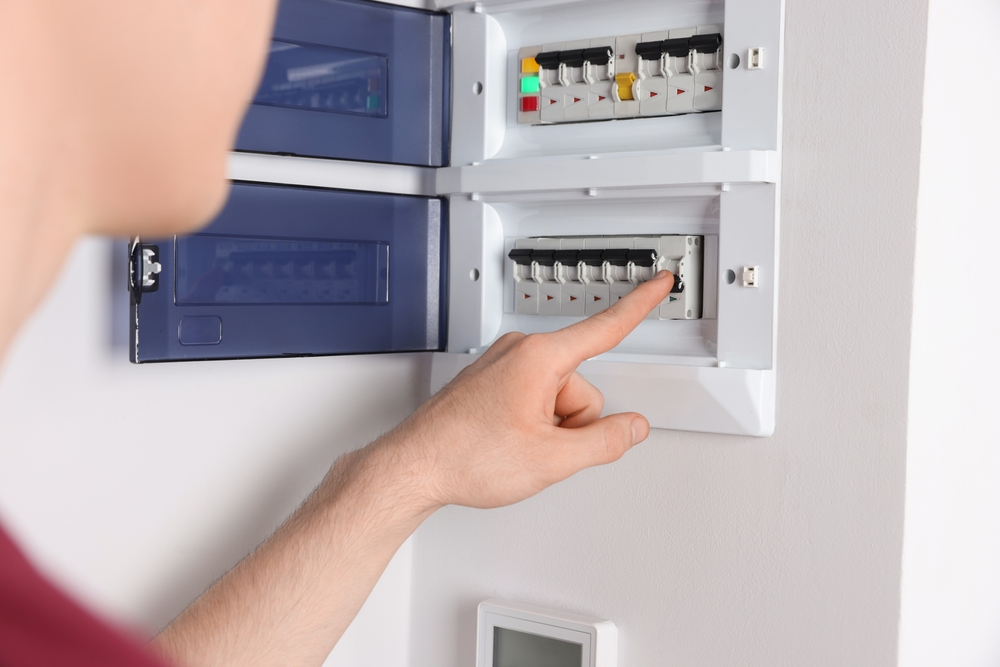
Sacramento homeowners are rapidly adopting green energy solutions to lower utility bills and reduce their carbon footprint. Adding a solar array to your roof or parking a new electric vehicle in your garage changes how your home consumes and generates power. These massive upgrades place heavy demands on your existing electrical infrastructure. Most standard residential breaker boxes were not designed to handle the continuous, high-amperage loads required by modern green technology.
Upgrading your electrical system is a mandatory step before plugging in a new car or turning on a solar inverter. You need proper physical space for new breakers and the capacity to manage heavy loads safely. Installing a subpanel solves this exact problem. This guide explains the technical necessity of subpanels for high-demand systems. You will learn about load management, strict safety codes, and why localized power distribution makes your green energy upgrades efficient and safe.
The Growing Need for Electrical Upgrades
Switching to renewable energy requires more than just buying panels or a vehicle. Your home’s electrical foundation must be strong enough to support these additions. When you ignore your home’s electrical capacity, you risk severe hardware damage and safety hazards.
The True Demand of Green Energy
Electric vehicles and solar panels interact with your electrical grid in intense ways. An electric vehicle charger draws a massive amount of continuous power for hours at a time. A solar array pushes large amounts of generated electricity back into your home’s breaker box.
Standard homes built a few decades ago typically feature a single main breaker panel. These panels manage moderate loads like kitchen appliances, standard HVAC units, and general lighting. They simply lack the physical slots and the busbar capacity to accommodate heavy-duty renewable energy equipment.
Why Your Main Panel Might Be Full
Every appliance and lighting circuit in your home requires a dedicated space in your breaker box. Over the years, as you add new appliances or renovate rooms, electricians fill these empty slots. By the time you decide to buy an electric vehicle, you might open your panel door to find zero available space.
Cramming new, high-demand circuits into a full panel by using tandem breakers is a dangerous practice. It leads to overheating and potential fire hazards. A subpanel provides the necessary, safe space to expand your system without compromising the integrity of your main electrical hub.
Understanding the Subpanel Solution
A subpanel acts as a secondary distribution center for your home’s electricity. It connects directly to your main service panel through a heavy-duty feeder cable. This setup allows you to safely route power to specific areas or dedicated equipment.
How a Subpanel Works
Your main electrical panel receives electricity directly from the utility company meter. The subpanel receives its electricity from the main panel. It contains its own set of circuit breakers, which then distribute power to individual branch circuits.
Installing a subpanel does not magically increase the total amount of electricity your utility provider sends to your home. Instead, it provides the physical room to manage the power you already have more effectively. It creates a localized hub for specific, high-draw circuits.
The Difference Between Main Panels and Subpanels
The primary difference lies in how they handle neutral and ground wires. In a main service panel, the neutral and ground wires bind together on the same metal busbar. This ensures a safe return path for electricity.
In a subpanel, strict electrical codes require the neutral and ground wires to remain completely separate. This separation prevents stray electrical currents from traveling across the metal casing of your appliances. Keeping these wires isolated is a highly technical process that requires professional knowledge to execute correctly.
Integrating Electric Vehicles with Subpanels
Electric vehicles represent a major lifestyle shift. You no longer visit a gas station; your garage becomes your personal fueling depot. This convenience requires a robust electrical setup to ensure your vehicle charges quickly and safely overnight.
The Power Needs of a Level 2 Charger
Most EV owners quickly realize that charging their car on a standard 120-volt wall outlet is completely impractical. This method, known as Level 1 charging, only adds about four miles of range per hour. To achieve a full charge overnight, you need a Level 2 charging station.
Level 2 chargers require a dedicated 240-volt circuit. Depending on the specific charger model and your vehicle’s acceptance rate, this circuit might need a 40-amp, 50-amp, or even 60-amp breaker. This is a massive amount of power. It is roughly equivalent to running an electric oven continuously for eight hours.
Why a Subpanel is Often Mandatory for EVs
Dedicating 60 amps of space in an older, crowded main panel is often impossible. Even if you have the physical slots, placing that much continuous load next to your existing household circuits can cause the main busbar to overheat.
A subpanel allows you to isolate this massive load. Electricians can install a subpanel in your garage specifically for your vehicle. This keeps the heavy-duty wiring short, clean, and separated from your delicate indoor electronics. Proper planning is critical when preparing for professional EV charger installation in Sacramento.
Localized Control for Garage Upgrades
Placing a subpanel in the garage offers benefits beyond just charging your car. Many homeowners use this opportunity to upgrade their entire garage space. You can easily add dedicated circuits for heavy power tools, air compressors, or custom garage lighting.
Running all these new circuits back to a main panel on the opposite side of the house is expensive and inefficient. A garage subpanel provides localized power distribution. It gives you immediate access to the breakers if you ever need to reset a tripped circuit while working on a project.
Solar Power and Your Electrical Infrastructure
Adding solar panels to your Sacramento home changes the fundamental flow of electricity. Instead of just consuming power, your home now generates it. This two-way street requires specific electrical hardware to manage the flow safely.
Connecting Solar Inverters
Solar panels generate Direct Current (DC) electricity. Your home runs on Alternating Current (AC) electricity. A solar inverter converts the DC power from the roof into usable AC power. This inverter must connect to your home’s electrical panel so the generated power can power your appliances or flow back to the utility grid.
This connection happens through a dedicated solar backfeed breaker. Just like an EV charger, this backfeed breaker requires physical space in your panel. It also requires the panel to handle the incoming amperage without overloading the internal metal components.
The 120% Rule for Solar Interconnection
The National Electrical Code (NEC) dictates exactly how much solar power you can safely push into a standard breaker box. This regulation is known as the 120% rule. It states that the combined amperage of your main utility breaker and your solar backfeed breaker cannot exceed 120% of the panel’s busbar rating.
For example, if you have a 200-amp panel with a 200-amp main breaker, you only have 40 amps of solar capacity available (200 x 1.2 = 240. 240 – 200 = 40). If your new solar array produces 60 amps of power, your current panel legally cannot accept it.
Using a Subpanel to Bypass Solar Limits
When your main panel fails the 120% rule, you have a few options. One of the most efficient solutions is using a generation subpanel. Electricians connect the solar inverter to a dedicated subpanel rather than the main breaker box.
This generation subpanel then connects to the main system using a method known as a line-side tap. This configuration safely bypasses the main panel’s busbar limitations. It allows you to install a much larger solar array without violating NEC regulations or risking electrical fires.
The Science of Electrical Load Management
You cannot simply add massive power loads to your home without doing the math first. Ensuring your system can handle the strain requires precise calculations and strategic load management techniques.
Calculating Your Total Demand
Before any subpanel installation begins, electricians perform a comprehensive load calculation. This mathematical formula assesses every electrical device in your home. It factors in the square footage of your property, your HVAC system, and major appliances like electric dryers and ranges.
This calculation determines your home’s peak electrical demand. By understanding exactly how much power your home uses, professionals can determine if your main service has enough remaining capacity to support an EV charger or a new subpanel.
Smart Load Management Systems
Sometimes, a load calculation reveals that your home is near its maximum capacity. In the past, this meant you could not install an EV charger without a massive, expensive overhaul of your primary service. Today, smart load management technology offers a brilliant alternative.
Load management devices constantly monitor the total power flowing through your main panel. If you plug in your electric vehicle while the oven and the air conditioner are running, the management system automatically pauses the EV charger. Once the other appliances turn off, the system resumes charging your car.
Integrating Load Management with Subpanels
Installing a smart load management system often requires its own dedicated space and complex wiring. A subpanel provides the perfect environment to house these advanced energy monitors.
By grouping your heavy loads (like the EV charger and an electric heat pump) into a specific subpanel, the load management hardware can control them efficiently. This localized setup prevents nuisance tripping of your main breaker and keeps your entire electrical system balanced and safe.
Navigating the National Electrical Code (NEC)
Electrical work is highly regulated for a reason. Faulty wiring causes catastrophic fires and fatal shocks. When you add high-demand systems to your home, strict adherence to the National Electrical Code is non-negotiable.
Safety Standards for Continuous Loads
The NEC classifies electric vehicle chargers as continuous loads. This means they draw their maximum current for three hours or more. The code requires that circuits supplying continuous loads must be rated for 125% of the equipment’s maximum draw.
If your EV charger pulls 40 amps, the breaker and the wire must be rated for 50 amps. Installing this thick, heavy-gauge wire requires skill and precision. A subpanel must be sized correctly to accommodate these large breakers and the stiff copper wiring necessary to meet code requirements.
Strict Clearances and Workspace Rules
You cannot hide a subpanel in a tiny closet or behind a stack of storage boxes. The NEC mandates strict working clearances around all electrical equipment. You must maintain a clear space that is 36 inches deep, 30 inches wide, and 78 inches high in front of the panel.
This ensures that electricians or emergency responders can safely access the breakers during a crisis. Planning the location of your new EV or solar subpanel requires careful consideration of these clearance rules to ensure the installation passes municipal inspection.
The Importance of Professional Permitting
In Sacramento, installing a subpanel, a solar array, or an EV charger requires a legal building permit. The local building department reviews your load calculations and installation plans to verify NEC compliance.
Attempting this work without a permit is illegal and incredibly dangerous. It voids your homeowner’s insurance and creates major hurdles if you ever decide to sell your property. Scheduling a professional electrical inspection in Sacramento ensures your new upgrades meet all local regulations and keep your family safe.
Addressing Hidden Electrical Hazards
When you open up walls to install new electrical infrastructure, you sometimes uncover old, dangerous problems. Expanding your system to support green energy often highlights the need for broader electrical maintenance.
Troubleshooting Overloaded Systems
If your current main panel is already struggling, adding an EV charger or solar inverter will only make things worse. Signs of an overloaded system include frequently tripping breakers, flickering lights, and buzzing sounds coming from the panel box.
Ignoring these warning signs leads to melted wires and severe property damage. Before you add any new heavy equipment, you must resolve these existing issues. Professional electrical troubleshooting in Sacramento identifies the root cause of the overload, ensuring your system is stable enough to support a new subpanel safely.
Replacing Faulty Components
Circuit breakers are mechanical devices. Over time, the internal springs and contacts wear out. An old breaker might fail to trip during an overload, or it might trip constantly even when the load is normal.
When installing a new subpanel, your electrician might notice that the breakers in your main panel are brittle or damaged. Upgrading these old components is a vital safety measure. Reliable circuit breaker replacement protects your delicate electronics and ensures your main system communicates safely with your new subpanel.
Upgrading Outdated Wiring
Many older homes in Sacramento still contain outdated wiring methods. Tying a modern, high-capacity subpanel into a home with decaying insulation or ungrounded wires is a major safety risk.
If your home’s fundamental wiring is crumbling, a simple subpanel installation will not solve your safety issues. You need a solid, modern foundation to support the heavy continuous loads of EV charging and solar generation. In these cases, comprehensive whole-house rewiring provides the necessary infrastructure to bring your property completely into the modern era.
The Benefits of Localized Power Distribution
A subpanel does more than just fix a crowded breaker box. It completely reorganizes how electricity flows through your property, offering significant advantages for safety and convenience.
Enhanced Efficiency and Organization
Running long, thick wires from a main panel across the entire house to a garage EV charger is expensive. Thick copper wire costs a premium. By installing a subpanel closer to the point of use, you reduce the length of these expensive branch circuits.
You run one large feeder cable from the main panel to the subpanel. From there, the individual circuits for your charger, inverter, or heavy tools are incredibly short. This localized distribution reduces voltage drop, meaning your equipment receives stronger, more efficient power.
Simplifying Future Home Projects
Once a subpanel is installed, adding new electrical features in that area becomes incredibly easy. If you install a subpanel in the garage for your EV, you now have a localized power hub ready for future projects.
Perhaps you want to upgrade your home’s aesthetic with sophisticated lighting. Having a subpanel nearby makes dividing complex lighting zones much simpler. You can easily plan a beautiful recessed lighting installation without worrying about running wires all the way back to the main house panel.
Protecting Sensitive Equipment
Heavy-duty motors, like those found in air compressors or large power tools, create electrical noise and voltage fluctuations when they start up. If these items share a panel with your delicate home electronics, you might experience screen flickering or hardware degradation.
A subpanel helps isolate these heavy, noisy loads from the rest of the house. By keeping the intense power draw of an EV charger or a workshop physically separated from your living room circuits, you protect your sensitive televisions and computers from voltage spikes. Relying on professional subpanel installation in Sacramento guarantees this isolation is configured correctly.
When Do You Need a Full Panel Upgrade?
While subpanels are fantastic problem solvers, they are not a universal cure for every electrical deficiency. Sometimes, your home simply needs a complete overhaul to safely handle modern demands.
Understanding Your Service Limits
Your main service panel dictates the absolute maximum amount of power your home can pull from the utility grid. Most older homes were built with 100-amp service. Today, modern homes are built with 200-amp service as the standard minimum.
Adding an EV charger alone can consume up to 60 amps. If you only have a 100-amp service, turning on your oven and plugging in your car at the same time will instantly trip the main breaker. A subpanel cannot fix this problem because the main supply bottleneck remains unchanged.
Transitioning to a 200-Amp System
When your load calculation reveals that your total power demand exceeds your current service rating, you must replace the main equipment. This involves coordinating with your utility company to bring thicker, high-capacity wires from the street to your house.
This major project provides a robust foundation for all your current and future electrical needs. It guarantees you have enough total power to support solar arrays, EV chargers, and electric heat pumps simultaneously. If your current system is maxed out, a comprehensive electrical panel upgrade is the safest and most effective path forward.
Trusting Sacramento’s Electrical Experts
Handling heavy-duty electrical components requires years of training and a deep respect for safety codes. Attempting to install a subpanel, wire an EV charger, or connect a solar inverter yourself is incredibly dangerous and highly illegal in Sacramento.
Why Professional Installation Matters
Licensed electricians understand the precise mathematics required for load calculations. They know exactly how to separate ground and neutral wires in a subpanel to prevent fatal shocks. They navigate the complex permitting processes and guarantee their work will pass strict municipal inspections.
By trusting experts, you protect your property investment. You ensure that your new green energy upgrades function flawlessly, providing maximum efficiency without endangering your family. Professional execution provides total peace of mind.
Comprehensive Service for Your Home
Whether you are buying your first electric vehicle or preparing your roof for a massive solar array, your electrical infrastructure must be ready. At TNT Electric, we specialize in modernizing Sacramento homes for the green energy revolution.
We provide comprehensive evaluations to determine the safest, most cost-effective way to expand your system. From calculating continuous loads to flawless subpanel execution, we handle every detail with precision. Explore our full range of electrical services to see how we can empower your home’s transition to clean, reliable energy.
Conclusion
Transitioning to electric vehicles and solar power is an exciting step toward energy independence. However, these green technologies require serious electrical power to operate correctly. A subpanel provides the dedicated space, safety isolation, and localized power distribution necessary to support these massive upgrades. By understanding the importance of load management, respecting the National Electrical Code, and trusting licensed professionals with your installation, you guarantee your Sacramento home remains safe, efficient, and ready for the future of energy. Ensure your electrical foundation is solid before you plug in your new car or flip the switch on your solar array.
Our Services at a Glance
At TNT Electric, we are a licensed electrical company based in Citrus Heights, CA, proudly serving the Sacramento area with dependable, professional service.
View Services

