

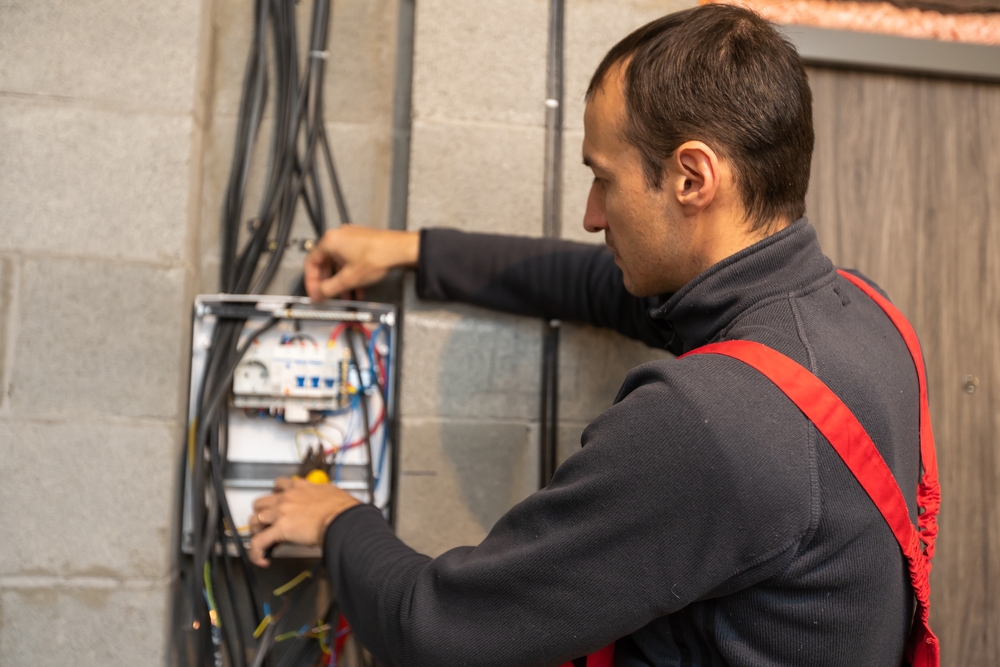
Upgrading your home’s electrical system is a major investment. Whether you are building an accessory dwelling unit (ADU), installing a new electric vehicle charger, or simply running out of room in your primary breaker box, a subpanel offers a safe and efficient way to expand your electrical capacity. However, understanding the financial commitment behind this project requires looking at several moving parts.
Sacramento homeowners face unique electrical demands. Our scorching summer heat requires heavy air conditioning usage, and many older neighborhoods feature aging electrical infrastructure that struggles to keep up with modern technology. Adding a subpanel helps distribute power safely, but the price tag can vary wildly based on your specific property layout and power needs.
This guide will break down the exact factors that influence the cost of subpanel installation in Sacramento. We will explore material choices, labor rates, municipal permitting fees, and the physical complexities of routing new wiring through your home. By the end of this comprehensive breakdown, you will know exactly what to expect when budgeting for your electrical expansion.
What Drives the Cost of a Subpanel in Sacramento?
No two electrical projects are exactly alike. When a licensed electrician provides an estimate for adding a secondary breaker box, they evaluate a combination of material expenses, labor hours, and local regulatory requirements.
Generally, Sacramento homeowners can expect a wide range in pricing depending on the scope of the work. A simple garage subpanel located right next to the main electrical box will cost significantly less than a large outdoor panel feeding a detached backyard workshop located fifty feet away. The primary cost drivers include the materials you select, the physical distance between the main panel and the new subpanel, whether the installation happens indoors or outdoors, and the current state of your existing electrical system.
Material Costs: Breakers, Panels, and Wiring
The hardware required to build a new electrical distribution point makes up a substantial portion of your total project estimate. Materials must meet strict safety standards and be rated for the specific amperage you intend to push through them.
The Subpanel Box and Circuit Breakers
The subpanel enclosure itself is relatively inexpensive. A standard 60-amp to 100-amp metal enclosure costs between $50 and $150. However, the empty box is just the beginning.
You must also purchase the circuit breakers that fit inside it. A standard single-pole breaker, which powers basic lighting and wall outlets, typically costs $5 to $15 each. If your new subpanel will power heavy-duty appliances like an electric dryer, a hot tub, or an EV charger, you will need double-pole breakers, which can range from $15 to $50 each.
Furthermore, current electrical codes often require specialized safety breakers. Arc-fault circuit interrupters (AFCIs) and ground-fault circuit interrupters (GFCIs) provide enhanced protection against electrical fires and shocks. These advanced breakers cost significantly more, often ranging from $40 to $100 per unit. Outfitting an entire subpanel with AFCI and GFCI breakers will noticeably increase your total material costs.
Copper vs. Aluminum Wiring
The feeder cable connects your main breaker box to your new subpanel. Because this cable carries a massive amount of electrical current, it must be thick, durable, and highly conductive. The material you choose for this feeder wire impacts your budget heavily.
Copper wiring offers the best conductivity and durability. It expands and contracts less than other metals when heated, making it exceptionally safe over long periods. However, copper is expensive. Heavy-gauge copper feeder wire can easily cost $4 to $8 per foot.
Aluminum wiring serves as a more budget-friendly alternative. Modern aluminum alloys are perfectly safe for heavy feeder lines when installed correctly by a licensed professional. Aluminum wire costs significantly less than copper, often pricing out at $1 to $3 per foot. While aluminum saves money on the material side, it requires specialized anti-oxidant compounds and specific torque settings during installation to prevent loose connections. Your electrician will help you determine the most cost-effective and safe wiring material for your specific load requirements.
Labor Costs and Installation Complexity
The expertise required to safely route high-voltage electricity is the most critical part of your investment. Licensed electricians in the Sacramento area typically charge between $80 and $150 per hour. The amount of time your project takes depends entirely on the physical layout of your property.
Distance from the Main Electrical Panel
The distance between your existing main panel and the new subpanel dictates how much feeder wire you need and how long the electrician must work to route that wire.
If you want a subpanel installed on the same wall as your main box, the electrician only needs a few feet of wire. They can often complete this simple installation in a few hours.
However, if you are building an ADU or a detached garage at the back of your property, the labor and material costs multiply. The electrician must run the heavy feeder cable from the side of your house, potentially through the attic or crawlspace, and out to the new structure. This process requires drilling through studs, navigating tight spaces, and occasionally patching drywall. Every additional foot of distance adds both material costs and hourly labor to your final bill.
Indoor vs. Outdoor Installation
Where you place the subpanel also affects the price. Indoor installations—such as inside an attached garage, a basement, or a utility closet—are straightforward. The subpanel box does not need heavy weatherproofing, and routing the wires through interior walls is generally easier.
Outdoor installations require specialized equipment. If your subpanel sits on the exterior of your house or a detached structure, it must be housed in a NEMA-3R rated weatherproof enclosure. These enclosures protect the sensitive electrical components from Sacramento’s heavy winter rain and intense summer sun. Weatherproof panels cost more than standard indoor boxes, and sealing the conduits to prevent moisture intrusion takes additional labor time.
Furthermore, running wire to a detached outdoor building often requires trenching. If the electrician must dig a trench across your yard to bury the electrical conduit safely underground, you will pay for the heavy equipment rental and the intense physical labor required to excavate and backfill the trench.
Accessibility and Structural Obstacles
Electricians need clear access to route wires. If your home features a spacious, unfinished basement or an easily accessible attic, pulling new cable is a fast, seamless process.
Conversely, if your home has vaulted ceilings, a slab foundation, or densely packed, insulated walls, the electrician will face significant hurdles. They may need to cut into your drywall to pull the wires through, which means you will also need to hire a contractor to repair and paint the walls once the electrical work is finished.
If you frequently experience power losses in certain areas of your home or suspect your current wiring is compromised, you should schedule electrical troubleshooting in Sacramento before starting any new panel additions. Identifying structural or wiring issues early prevents surprise labor costs during the subpanel installation.
Sacramento Permitting and Inspection Fees
Electrical work involves serious safety risks, which is why municipal governments strictly regulate it. Adding a subpanel requires pulling a permit from the city or county of Sacramento before any work begins.
Why You Need a Permit
Permits ensure that your new electrical installation complies with the National Electrical Code (NEC) and local California building standards. Bypassing the permit process to save a few dollars is highly dangerous and illegal. Unpermitted electrical work can void your homeowner’s insurance policy, create severe fire hazards, and completely derail the sale of your home in the future.
Navigating City and County Codes
In Sacramento, electrical permit fees vary based on the value and scope of the project. Typically, you can expect to pay anywhere from $100 to $300 for the necessary permits to install a residential subpanel.
Once the electrician completes the installation, a municipal inspector must visit your property to verify the work. The inspector checks wire sizing, grounding, and breaker compatibility. When you hire a licensed, reputable electrical contractor, they will handle the entire permitting process on your behalf, including scheduling the final inspection. The cost of these permits and the administrative time required to secure them will be factored into your total project estimate.
When Do You Actually Need a Subpanel?
Homeowners often wonder if a subpanel is truly necessary or if they can simply add more breakers to their current setup. Understanding your home’s electrical limitations helps clarify this decision.
Home Additions and ADUs
The most common trigger for a subpanel installation is a major home renovation. If you are converting a garage into a living space, adding a master suite, or building an ADU in the backyard, your new space requires dedicated power for lighting, heating, and appliances. Running a single heavy feeder line to a localized subpanel in the new addition is vastly more efficient than running a dozen separate wires all the way back to the main house.
EV Chargers and Heavy Appliances
Electric vehicles require massive amounts of continuous power. A Level 2 EV charger needs a dedicated 240-volt circuit. If your main panel is full, you cannot safely add this heavy-duty breaker.
Similarly, upgrading to an electric heat pump, an induction stove, or an electric tankless water heater places immense strain on your current panel. A subpanel provides the physical space to house these new, large breakers, ensuring your high-demand appliances operate safely without constantly tripping your main system.
If you are unsure whether your current panel has the physical space or the overall capacity to handle new equipment, the safest first step is to schedule a professional electrical inspection in Sacramento. A thorough inspection will reveal exactly how much power your home uses and whether an expansion is necessary.
Subpanel Installation vs. Full Panel Upgrade
It is crucial to understand that a subpanel does not increase the total amount of electricity coming into your home from the utility company. It only distributes the power you already have more efficiently.
Think of your electrical service like a water pipe. The main panel is the primary valve. A subpanel simply adds more small faucets further down the line. If the main valve does not allow enough water through to begin with, adding more faucets won’t fix the low water pressure.
Assessing Your Current Main Panel
Many older homes in Sacramento still operate on 100-amp electrical services. Modern households, filled with smart TVs, powerful HVAC systems, and electric vehicles, typically require a minimum of 200 amps.
If a load calculation determines that your home’s total energy demand exceeds your main panel’s capacity, installing a subpanel will not solve your problem. Instead, you will need a completeelectrical panel upgrade. Upgrading your main panel involves replacing the primary breaker box, installing a new meter base, and having the utility company run a thicker service line to your home.
A full main panel upgrade is significantly more expensive than adding a subpanel, often costing between $2,500 and $5,000. However, if your main service is undersized or uses an obsolete, dangerous brand (like Federal Pacific or Zinsco), a full upgrade is the only safe path forward. In many cases, an electrician will upgrade your main panel to 200 amps and use your old panel box as a newly converted subpanel to save on rewiring costs.
The Dangers of DIY Electrical Work
The internet is full of tutorials promising to teach you how to wire a breaker box over the weekend. Attempting to install a subpanel yourself to save on labor costs is a catastrophic mistake.
Working with the main electrical feeder lines exposes you to lethal amounts of voltage. Unlike a standard wall outlet, the wires feeding a subpanel carry enough current to cause severe injury or death instantly. Furthermore, improperly stripping wires, failing to separate the neutral and ground bus bars, or using the wrong gauge of wire creates silent, hidden fire hazards inside your walls.
Always rely on professional subpanel installation in Sacramento. A licensed electrician carries the necessary insurance, possesses the right diagnostic tools, and guarantees their work will pass municipal inspections. The peace of mind that comes with knowing your home will not catch fire is worth every penny of the labor costs.
How to Budget for Your Project
To budget accurately for a subpanel addition, start by identifying your specific needs. Are you simply adding a few extra circuits for a kitchen remodel, or are you running power to a fully detached backyard workshop?
Expect the absolute minimum cost for a small, indoor subpanel located next to your main box to start around $600 to $900. For an average project—such as running a subpanel to an attached garage for an EV charger and heavy power tools—expect to pay between $1,000 and $1,800. If your project involves long wire runs, trenching for outdoor structures, or complex wall fishing, the price can easily exceed $2,500.
The best way to lock in an accurate budget is to request an on-site evaluation from a licensed contractor. They will calculate your home’s current electrical load, map out the most efficient path for the feeder wires, and provide a detailed, written estimate outlining all material and labor costs.
Conclusion
Expanding your home’s electrical capacity is a necessary step for modernization. As Sacramento homeowners continue to adopt electric vehicles, build out beautiful home additions, and upgrade their high-efficiency appliances, the demand for safe, reliable power distribution will only grow.
Understanding the costs associated with subpanel installation allows you to plan your renovations confidently. By factoring in the price of quality materials, the physical complexity of the labor, and the necessity of municipal permits, you can avoid surprise expenses and ensure your project moves forward smoothly.
Investing in a professionally installed subpanel protects your property, enhances your daily convenience, and adds lasting value to your home. Do not let an overcrowded, outdated electrical panel hold back your home improvement dreams. Reach out to a certified electrical expert today to discuss your power needs and take the first step toward a safer, fully powered home.
Our Services at a Glance
At TNT Electric, we are a licensed electrical company based in Citrus Heights, CA, proudly serving the Sacramento area with dependable, professional service.
View Services

