

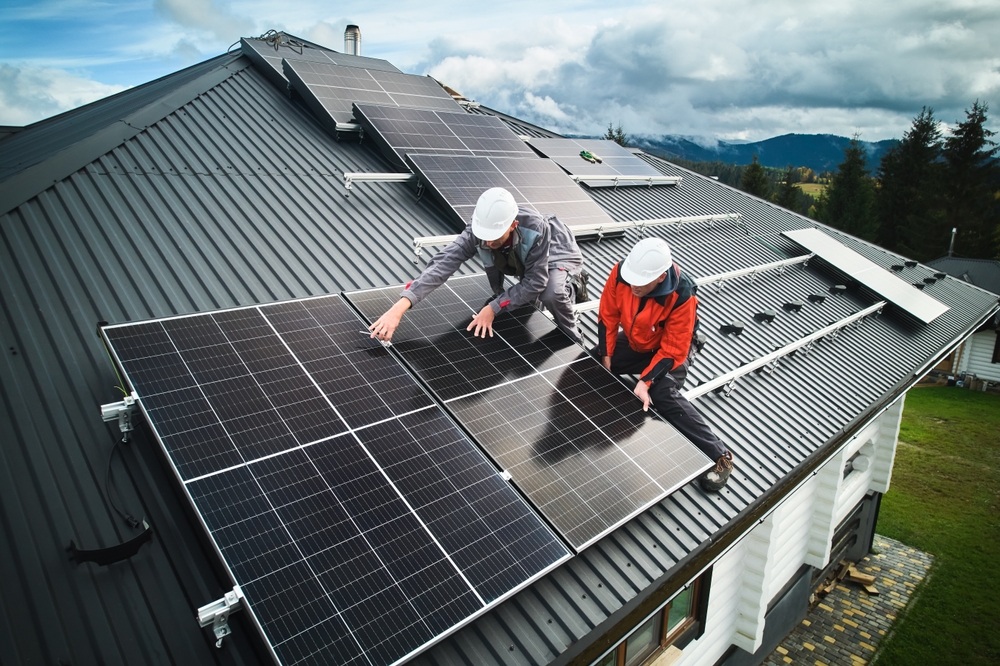
Sacramento enjoys over 260 days of sunshine every year. With utility rates constantly climbing, capturing that abundant solar energy makes perfect financial sense. You might already have quotes for shiny new rooftop solar panels. However, many homeowners skip a crucial step in the planning process: evaluating their home’s existing electrical infrastructure.
Your solar panels generate the electricity, but your electrical panel must distribute that power safely. If you live in an older home, your current breaker box acts as a major roadblock to clean energy. Connecting a massive modern solar array to an outdated 100-amp panel creates severe safety hazards and guarantees failed city inspections.
In this guide, we break down exactly how solar power connects to your house. You will learn about the strict rules governing solar installations, including the 120% rule and back-fed breakers. We will explain why a 200-amp panel is the gold standard for solar integration. Finally, we will show you how upgrading your system now future-proofs your home for battery storage and electric vehicles.
The Solar Revolution in Sacramento
Homeowners across California are taking control of their energy production. The transition to clean energy lowers monthly bills and reduces strain on the aging utility grid.
Harnessing California Sunshine
Rooftop solar completely transforms how your household consumes energy. Instead of buying all your power from the utility company, you generate your own. During peak daylight hours, your panels often produce more electricity than your home actually uses. This excess power is incredibly valuable, but you need the right equipment to manage it.
Solar technology has improved drastically over the last decade. Modern panels are highly efficient, capturing more sunlight in smaller spaces. Inverters—the devices that convert solar energy into usable home electricity—are smarter and more powerful than ever. But all this advanced technology relies on a stable connection point.
Why Your Electrical System Matters
Think of your electrical system like a highway. Your utility company provides the main road into your house. Your solar panels create a new, high-speed on-ramp. Your electrical panel is the crucial intersection where these two massive power sources meet.
If that intersection is old, narrow, or damaged, traffic jams happen. In electrical terms, those “traffic jams” result in tripped breakers, melted wires, and devastating house fires. To safely merge solar power into your home, you need a robust, modern electrical panel designed to handle two simultaneous power sources.
How Solar Power Connects to Your Home
Understanding the mechanics of a solar installation helps you see why your breaker box is so important. The electricity generated on your roof does not just magically flow into your television and refrigerator. It follows a very specific path.
The Role of the Electrical Panel
When sunlight hits your panels, they produce direct current (DC) electricity. Your home runs on alternating current (AC) electricity. The solar inverter changes the DC power into AC power. From the inverter, the electricity travels directly down into your main electrical panel.
Your panel acts as the ultimate gatekeeper. It accepts the power from the inverter and distributes it to the individual circuits in your house. It also maintains a constant connection to the utility grid. A modern electrical panel upgrade ensures this critical component has the physical space and the structural integrity to handle this complex job.
Understanding Back-Fed Breakers
To connect your solar system to your main panel, electricians install a specific component called a back-fed breaker. Standard breakers push power out to your appliances. A back-fed breaker works in reverse. It takes the power generated by your solar inverter and pushes it directly into the panel’s main bus bar.
This is a high-stress connection. The bus bar is the heavy metal strip inside the panel that carries all the electrical current. When a back-fed breaker pushes maximum solar power onto an old bus bar, the metal can heat up quickly. Only modern, heavy-duty panels are built to withstand this continuous inward flow of electricity safely.
The 120% Rule Explained
Building codes dictate exactly how much power a panel can handle. For solar installations, electricians must follow the “120% rule.” This rule states that the total power entering the panel (from the utility grid plus the solar system) cannot exceed 120% of the panel’s bus bar rating.
For example, if you have a 100-amp panel, the bus bar is usually rated for 100 amps. Using the 120% rule, the maximum combined power allowed is 120 amps. Since the main utility breaker takes up 100 amps, you only have 20 amps left for solar. A 20-amp solar breaker limits your system to a tiny rooftop array that will barely dent your energy bill.
Upgrading to a 200-amp panel typically provides a 225-amp bus bar. This gives you massive headroom to install a large, powerful solar array that actually powers your entire home.
Why You Need a 200-Amp Panel for Solar
If you want a solar system large enough to eliminate your electricity bill, a 200-amp panel is an absolute necessity. Sacramento homes built before 1990 rarely have this capacity built-in.
The Limits of 100-Amp Panels
Fifty years ago, a 100-amp panel was perfectly adequate. Homes did not have multiple large air conditioners, massive refrigerators, or home theaters. Today, a 100-amp panel struggles to run a standard modern household, even without solar panels attached to it.
When you add a solar system to a fully loaded 100-amp panel, you push the equipment past its breaking point. The breakers will trip constantly to protect the overloaded wires. The physical box simply lacks the space to add the required back-fed breakers and monitoring equipment required by modern solar setups.
Safety and Capacity
Safety is always the primary focus of any electrical project. Solar panels produce a continuous, heavy electrical load. When the sun shines bright at noon, that back-fed breaker pushes power onto the bus bar at maximum capacity for hours.
Old panels, especially outdated brands like Zinsco or Federal Pacific, cannot handle this stress. The connections loosen, the metal warps, and the risk of an electrical fire skyrockets. Upgrading guarantees that your home has fresh, tightly torqued connections and thick copper bus bars designed specifically for heavy loads.
Passing Municipal Inspections
You cannot legally install solar panels without pulling permits and passing city inspections. In Sacramento, building inspectors strictly enforce the National Electrical Code.
If a city inspector looks at your proposed solar plans and sees an old, degraded, or undersized panel, they will deny your permit. They know the system will not support the added power safely. Factoring a panel upgrade into your initial solar budget saves you weeks of delays and ensures your project sails through the inspection process.
Net Metering and Your Electrical Panel
One of the biggest financial benefits of going solar is net metering. This billing mechanism allows you to sell your excess power back to the utility company.
What is Net Metering?
During a sunny summer afternoon, your panels will likely produce more electricity than your home is using. With net metering, that extra power flows backward through your electrical panel, out through your meter, and into the utility grid. Your utility provider, like SMUD or PG&E, credits your account for this excess power.
At night, when your panels stop producing, you draw power from the grid using those credits. This system effectively uses the utility grid as a massive battery, helping you offset your energy costs year-round.
Exporting Power Safely
Exporting power to the grid puts a unique strain on your home’s electrical system. The electricity must flow smoothly and safely outward. If your panel features corroded lugs, frayed wires, or failing breakers, this reverse flow creates massive resistance and dangerous heat.
A modern electrical panel facilitates this two-way street flawlessly. It ensures that when you send power back to the grid, you do it efficiently, without risking an electrical fire in your garage or basement.
Utility Requirements in Sacramento
Local utility companies have strict rules regarding net metering agreements. They require specialized bidirectional smart meters to track the power flowing in and out of your home.
To install these new meters, the utility company often requires you to update the physical meter box and the main electrical panel attached to it. They will not sign off on a net metering agreement if your equipment poses a risk to their grid. Providing top-tier electrical services means we handle these utility requirements for you, ensuring your system complies with every local regulation.
Upgrading the Rest of Your Electrical Infrastructure
While the main panel is the most critical upgrade, preparing for solar is the perfect time to evaluate your entire home. A strong heart means nothing if the veins are blocked.
Whole House Rewiring Considerations
If you live in an older Sacramento neighborhood, your home might still have cloth-insulated wiring, knob-and-tube setups, or ungrounded two-prong outlets. These outdated wiring methods are extremely dangerous.
Connecting a brand-new solar system to a house full of failing wires is a terrible investment. The new panel pushes clean, consistent power, but old wires will still overheat and spark. If your home needs it, scheduling whole house rewiring in conjunction with your panel upgrade ensures your entire property is safe from top to bottom.
Circuit Breaker Updates
Sometimes, your existing panel box is large enough, but the internal components are failing. Breakers lose their mechanical spring tension over time. They might fail to trip when overloaded, or they might trip constantly for no reason.
When preparing for solar, an electrician will evaluate every single breaker. They will often recommend targeted circuit breaker replacement for aging circuits. Upgrading to modern Arc Fault Circuit Interrupters (AFCIs) and Ground Fault Circuit Interrupters (GFCIs) adds a massive layer of fire and shock protection to your newly solar-powered home.
Subpanels for Extra Capacity
If your main panel is maxed out but upgrading to a larger main service is impossible due to utility constraints, a subpanel offers a great alternative.
A subpanel acts as a satellite breaker box. It connects to the main panel and provides additional slots for new circuits. This is highly useful if your solar installation requires dedicated monitoring equipment or if you are moving heavy appliances to new circuits. A professionalsubpanel installation in Sacramento gives you the physical space you need to organize your home’s power distribution efficiently.
Future-Proofing for Clean Energy
Installing solar panels is usually just the first step in a broader home electrification journey. Once you generate your own free power, it makes sense to use it in as many ways as possible. A 200-amp panel upgrade makes this future growth possible.
Adding Battery Storage
Many Sacramento homeowners now pair their solar panels with battery storage systems, like the Tesla Powerwall. Batteries capture your excess daytime solar power and store it in your garage. You can then use this stored power at night or during a grid blackout.
Battery systems require massive electrical connections. They have their own dedicated breakers and often require specialized critical load subpanels to keep your essential appliances running during an outage. An outdated 100-amp panel simply cannot accommodate the heavy wiring and multiple breakers required for a home battery system.
Preparing for Electric Vehicles
If you are generating free electricity on your roof, the logical next step is using that power to fuel your car. Electric vehicles (EVs) are incredibly popular in California, but charging them at home takes a lot of juice.
A Level 2 EV charger requires a dedicated 240-volt, 40-amp to 60-amp circuit. If you try to add this to an old panel, you will overload your system instantly. By upgrading your panel during your solar project, you instantly prepare your garage for anEV charger installation in Sacramento. You can drive on pure, clean sunshine.
Modern Home Upgrades
With a robust 200-amp panel and a solar array, you can confidently upgrade the rest of your home without worrying about power constraints.
You can transition away from gas appliances and install a highly efficient electric heat pump for your heating and cooling. You can switch to an induction cooktop. You can finally install that beautiful recessed lighting installation in your living room and kitchen. A proper panel upgrade removes the electrical limits on your home improvement dreams.
The Panel Upgrade Process for Solar Integration
Navigating a panel upgrade while simultaneously planning a solar installation requires precision and professional coordination. Knowing what to expect makes the process stress-free.
Initial Inspection and Planning
The process begins before you ever sign a solar contract. A licensed electrician visits your home to perform a comprehensive electrical inspection in Sacramento. They evaluate your current service size, grounding system, and overall wiring health.
They perform a detailed load calculation to determine exactly how much power your home currently uses and how much the solar system will add. Based on this math, they design a panel upgrade that meets the strict 120% rule and satisfies local building codes.
Navigating Permits and Utility Approvals
Solar projects require massive amounts of paperwork. You need building permits from the city and interconnection approvals from the utility company.
A professional electrical contractor handles all of this on your behalf. They submit the complex line diagrams and load calculations to the municipal building department. They coordinate the mandatory power shut-off with the utility provider. Doing this correctly ensures your solar installation timeline is not derailed by bureaucratic delays.
Installation Day
On the day of the upgrade, the utility company disconnects power to your home. The electricians carefully remove the old panel, preserving your existing branch circuit wires.
They mount the new, larger 200-amp enclosure to the wall. They install a heavy new bus bar and a massive main breaker. Then, they meticulously reconnect every circuit in your home, organizing the wires neatly and ensuring perfect torque on every screw. Finally, they install the dedicated back-fed breaker that will soon accept the power from your new solar inverter. After a final safety check, power is restored, and your home is officially “solar-ready.”
Recognizing When Your Home Needs Help
Do not wait until the solar installation crew arrives to find out your electrical system is inadequate. Be proactive and look for the warning signs that your panel is failing.
Warning Signs of an Outdated System
Your home will tell you when it is struggling for power. If your lights dim or flicker when the air conditioner kicks on, your panel lacks capacity. If you have to unplug the microwave just to use the toaster, your circuits are overloaded.
Look closely at your breaker box. If you see rust, corrosion, or scorch marks around the breakers, you have a severe safety hazard. If the panel feels warm to the touch or emits a faint buzzing sound, the internal components are failing.
Why Professional Troubleshooting is Essential
Never try to open a panel and investigate these issues yourself. High-voltage electricity is lethal. If you notice any of the warning signs above, you need immediate professional help.
An expert will use specialized tools to diagnose the exact cause of the voltage drops or overheating. Professional electrical troubleshooting in Sacramento identifies hidden dangers, allowing you to fix them before you invest thousands of dollars in a solar array.
Making the Smart Investment
Upgrading your electrical panel requires an upfront financial commitment. However, when viewed as part of a comprehensive solar strategy, it is an incredibly smart investment.
Financial Incentives
The federal government and the state of California want you to upgrade your home. Because a panel upgrade is often a necessary prerequisite for solar and electrification, it qualifies for several major financial incentives.
The 25C Energy Efficient Home Improvement Credit allows you to claim a significant tax credit for panel upgrades that support clean energy. Additionally, California’s HEEHRA program offers massive point-of-sale rebates for low and moderate-income households performing electrical upgrades. A professional contractor will help you document the installation correctly so you can claim every dollar you deserve.
Increasing Home Value
Solar panels increase the resale value of your property. But savvy home buyers also look closely at the mechanical systems of a house.
If a buyer sees a new roof with solar panels, but an old, rusty 100-amp Zinsco panel in the garage, they will immediately ask for a price reduction. A brand-new 200-amp panel proves that the home was upgraded professionally and comprehensively. It provides absolute peace of mind to future buyers, maximizing your return on investment when you eventually sell.
Conclusion: Take the First Step Toward Solar Power
Transitioning your Sacramento home to solar power is a fantastic way to lower your carbon footprint and eliminate staggering utility bills. But true energy independence requires a solid foundation. You cannot pump modern, high-capacity clean energy through an obsolete electrical panel.
Upgrading to a 200-amp panel guarantees you meet the strict code requirements for back-fed breakers and net metering. It protects your family from the severe fire hazards associated with overloaded bus bars. Most importantly, it future-proofs your property. Once your new panel is installed, you are ready to add battery storage, electric vehicle chargers, and modern electric appliances with total confidence.
Do not let an outdated breaker box derail your solar dreams. Before you sign a contract for rooftop panels, ensure your home is actually equipped to handle the power. Contact the experts at TNT Electric today to schedule a comprehensive evaluation of your electrical system. We will handle the permits, coordinate with the utility company, and install a state-of-the-art panel that brings your home safely into the clean energy future.
