

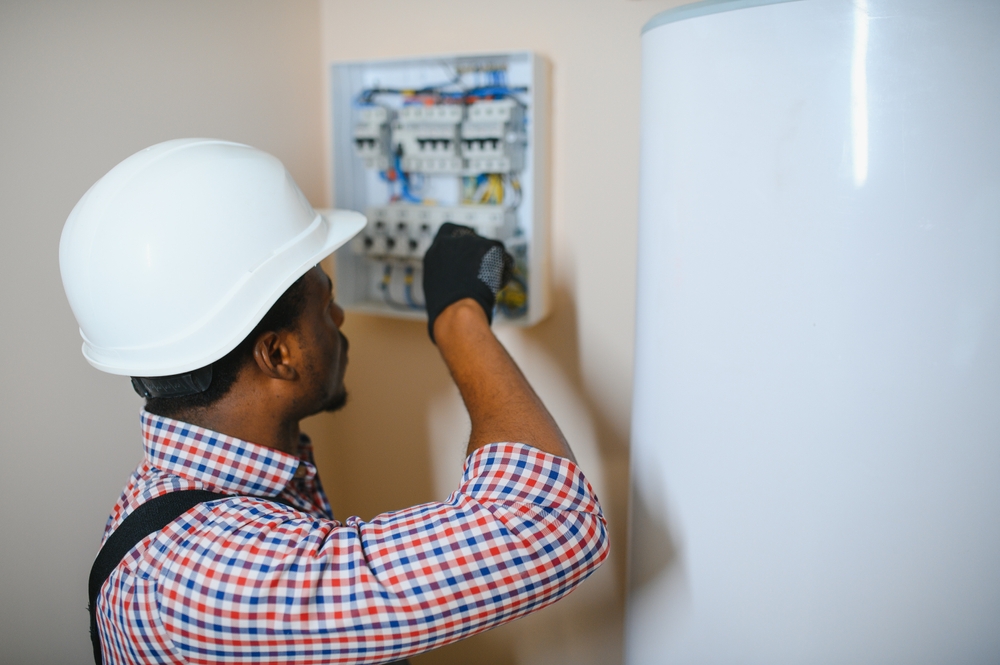
Transforming a basic outbuilding into a highly functional space requires serious planning. You might envision a fully equipped woodworking shop, a comfortable accessory dwelling unit (ADU) for family members, or a modernized garage ready to charge an electric vehicle. Bringing these visions to life requires one critical component: reliable, safe, and robust electrical power.
Running a single extension cord from your house across the yard simply will not work. Even attempting to string a few basic wires from your main breaker box to a detached structure often falls short of modern energy demands. High-draw appliances, climate control systems, and heavy-duty tools require dedicated circuits to operate safely.
This is where a subpanel becomes absolutely essential. By installing a dedicated electrical distribution center directly inside your garage, ADU, or workshop, you create a localized hub of power. This approach provides convenience, prevents dangerous overloads, and ensures your property complies with strict local building codes.
In this comprehensive guide, we will explore the technical and practical benefits of installing subpanels in specialized structures. We will break down the specific power requirements for EV chargers, heavy machinery, and full residential living spaces. Finally, we will outline exactly what Sacramento homeowners need to know before breaking ground on their next property upgrade.
The Growing Need for Outbuilding Power in Sacramento
Property owners across the Sacramento valley are maximizing their usable space. We see a massive shift toward utilizing every square foot of a property for practical, energy-intensive purposes.
Shifting Property Uses
A detached garage used to just hold cars and a few boxes of seasonal decorations. Now, these spaces serve as home gyms, advanced mechanic bays, and primary charging stations for modern transportation. Backyards that once held simple storage sheds now feature beautifully designed ADUs and professional-grade hobby shops.
Every single one of these upgrades requires electricity. Lighting, heating, cooling, and specialized equipment draw immense amounts of continuous current. When you try to pull all of this power from a distant main panel located on the opposite side of the property, you run into severe logistical and safety issues.
The Limitations of Shared Circuits
Many older garages and sheds have rudimentary wiring. Often, you will find a single 15-amp circuit powering one overhead light bulb and one standard wall outlet. If you plug a high-draw tool like an air compressor or a space heater into that single outlet, the circuit immediately overloads.
When a circuit overloads, the breaker trips to prevent a fire. If your garage shares a circuit with your home’s exterior lighting or a spare bedroom, tripping that breaker knocks out power to those areas as well. Relying on shared, outdated circuits for modern structural upgrades guarantees endless frustration and significant electrical hazards.
What Is a Dedicated Subpanel?
To understand how to power your new space, you need to understand the mechanics of a secondary distribution board. A subpanel acts as a satellite breaker box that manages electricity for a specific, localized area.
How a Subpanel Works for Detached Structures
A subpanel does not pull power directly from the utility company’s power grid. Instead, it receives its electricity from your home’s main electrical panel.
To set this up, an electrician installs a large, high-capacity circuit breaker inside your main panel. They then run a set of thick, heavy-duty feeder wires from that main breaker all the way to the new subpanel located in your garage, ADU, or workshop. The subpanel takes that large bulk of power and splits it into smaller, individual circuits. Each of these smaller circuits gets its own dedicated breaker inside the subpanel.
Safety and Convenience Benefits
This localized setup offers massive practical advantages. The most obvious benefit is immediate accessibility. If you overload a circuit while running a table saw in your backyard workshop, you do not have to trudge through the dark yard and into your main house to reset the breaker. You simply walk over to the subpanel on the workshop wall and flip the switch.
Furthermore, a subpanel drastically reduces voltage drop. When electricity travels over long distances, it loses a bit of its force. If you run long, individual circuit wires from the main house to a distant garage, your tools might not receive enough voltage to run efficiently, leading to motor burnout. Running one heavy, properly sized feeder cable to a local subpanel ensures the power stays strong and stable right where you need it.
Upgrading Your Garage: EV Chargers and Beyond
The modern garage is undergoing a massive transformation. As California pushes toward a greener future, the garage is becoming the primary fueling station for household transportation.
The Rise of Electric Vehicles in California
Sacramento drivers are adopting electric vehicles at an unprecedented rate. Bringing an EV home means you need a reliable way to charge it every night. While every EV comes with a standard Level 1 charging cord that plugs into a normal 120-volt wall outlet, this method is agonizingly slow.
A Level 1 charger typically adds only three to five miles of range per hour of charging. If you have a long commute or a large battery pack, a standard wall outlet simply cannot replenish your vehicle overnight.
Powering Level 2 EV Chargers Safely
To achieve practical charging speeds, you need a Level 2 EV charger. These powerful units require a dedicated 240-volt circuit, similar to what you use for an electric oven or a heavy-duty clothes dryer. A Level 2 charger can pull anywhere from 30 to 60 amps of continuous power for several hours at a time.
If your main electrical panel is full, you cannot safely add a massive 60-amp breaker for your new car. Installing a subpanel in the garage provides the physical space and the localized power capacity to handle this heavy burden. To guarantee your vehicle charges safely without melting wires or risking a fire, you must rely on a professional EV charger installation in Sacramento.
Lighting, Refrigeration, and Garage Utility
EV chargers are not the only things drawing power in a modernized garage. Many homeowners keep a secondary refrigerator or a large deep freezer in their garage. These appliances require dedicated circuits to ensure they never lose power and spoil hundreds of dollars worth of food.
Additionally, if you use your garage as a workspace or a home gym, you need excellent lighting. Upgrading from a single dingy bulb to rows of bright, energy-efficient LED fixtures requires proper circuit planning. A garage subpanel allows you to separate your lighting, your appliances, and your EV charger onto distinct, safely managed circuits.
Accessory Dwelling Units (ADUs): Full Residential Power
The ADU boom is reshaping neighborhoods across Sacramento. These secondary housing units provide rental income, space for aging parents, or housing for adult children. Because an ADU is a fully independent living space, its electrical requirements are vast and highly regulated.
The ADU Boom in Sacramento
Building a backyard cottage or converting a large detached garage into a living space is a major construction project. Local zoning laws and state regulations encourage ADU development, but they strictly enforce safety and energy codes.
An ADU is not just a room with a bed. It features a full kitchen, a bathroom, heating, air conditioning, and a complete lighting system. You cannot power a secondary home by running a few spare wires from your primary residence. An ADU requires a comprehensive, code-compliant electrical distribution system.
Meeting Kitchen and HVAC Electrical Demands
The kitchen inside an ADU demands significant electrical capacity. National Electrical Code (NEC) guidelines dictate that a kitchen must have multiple dedicated 20-amp circuits just for the countertop outlets. The microwave, the refrigerator, the electric range, and the dishwasher each require their own specific circuits.
Climate control adds another massive layer of electrical demand. Most ADUs rely on ductless mini-split systems for heating and cooling. These high-efficiency units require dedicated 240-volt circuits to operate. A dedicated subpanel installed inside the ADU is the only way to safely house and manage the dozen or more individual circuits required to keep the living space safe, comfortable, and legal.
Sub-metering and Tenant Independence
If you plan to rent out your ADU, electrical independence becomes crucial. A subpanel allows for seamless separation of utility usage.
By running power to a dedicated subpanel, an electrician can easily install a sub-meter. This device tracks exactly how much electricity the ADU consumes independently from the main house. This allows you to accurately bill your tenants for their specific utility usage without arbitrary guesswork. It also gives the occupants complete control over their own breaker panel in case a localized circuit trips.
Dedicated Workshops: Powering Heavy-Duty Tools
For the serious craftsman, a backyard workshop is a sanctuary. Whether you are welding metal, milling wood, or running 3D printers, professional-grade tools require professional-grade power setups.
Voltage Requirements for Professional Equipment
Standard power tools like drills and sanders run fine on basic 120-volt circuits. However, stationary shop equipment demands much more. Large table saws, jointers, planers, air compressors, and welding machines frequently require 240-volt dedicated circuits.
These heavy-duty motors pull massive amounts of current precisely at the moment you turn them on. This initial surge, known as inrush current, can easily overwhelm standard residential wiring. A subpanel allows you to install specialized breakers and heavy-gauge wire specifically rated for the high demands of industrial-style shop motors.
Preventing Overloads and Tripped Breakers
Nothing ruins a woodworking project faster than a machine losing power mid-cut because a breaker tripped. When you run a heavy saw and a high-capacity dust collection system simultaneously on an inadequate electrical setup, overloads are inevitable.
A dedicated workshop subpanel lets you isolate your lighting, your general wall outlets, and your heavy machinery onto completely separate circuits. If a power tool experiences a fault, it will not plunge your entire workshop into darkness by tripping the lighting circuit simultaneously.
If you currently experience frequent power losses or flickering lights when running your tools, you must address the issue immediately. Schedule a professional electrical troubleshooting in Sacramento to diagnose the strain. If the electrician finds that your existing breakers are worn out from constant overloads, you will likely need immediate circuit breaker replacement followed by the installation of a proper, high-capacity subpanel.
Proper Lighting for Precision Work
Operating dangerous machinery requires flawless visibility. A dedicated workshop needs bright, shadow-free lighting distributed evenly across the ceiling.
Running rows of high-lumen LED shop lights requires dedicated 15-amp or 20-amp lighting circuits. By installing a subpanel, your electrician can map out a lighting grid that operates independently of your tool circuits. This ensures that no matter how much power your heavy machinery draws, your lights remain bright, steady, and perfectly safe for detailed precision work.
The Technical Installation Process
Installing a subpanel in a detached building is significantly more complex than adding one inside your main house. It involves heavy labor, strict adherence to grounding codes, and precise mathematical calculations.
Trenching and Underground Conduit
When routing power to a detached garage, ADU, or workshop, the feeder wires must cross your yard. Running exposed wires through the air is unsightly and often violates modern local codes due to the risk of storm damage and falling branches.
The standard, code-compliant method involves burying the electrical lines underground. This requires digging a trench from your main house to the outbuilding. The depth of the trench depends on the type of conduit used. PVC conduit typically needs to be buried at least 18 inches deep to protect the live wires from accidental severing during landscaping or digging projects. Trenching requires careful planning to avoid existing water, sewer, or gas lines hidden beneath your lawn.
Sizing the Feeder Wires Correctly
The lifeblood of your subpanel is the feeder cable that connects it to the main panel. Selecting the correct size, or gauge, for this wire is a matter of intense safety.
If you are installing a 100-amp subpanel in a large ADU, the feeder wires must be thick enough to carry 100 amps of current safely without overheating. Furthermore, electricians must account for voltage drop over long distances. If your workshop sits 100 feet away from your main house, the electrician must upsize the wire gauge to ensure the electricity arrives at the subpanel with full, robust force. Using undersized wire creates massive resistance, resulting in extreme heat and a severe risk of underground electrical fires.
Grounding Rod Requirements for Detached Buildings
Grounding is the ultimate safety net of any electrical system. It provides a safe path for rogue electricity to enter the earth in the event of a short circuit or a lightning strike.
When you install a subpanel in an attached garage or a basement, it relies on the grounding system established at the main panel. However, the NEC enforces strict rules for detached structures. When you run power to a separate, detached building like a backyard ADU or a standalone workshop, that building must have its own grounding system.
Your electrician will drive dedicated copper grounding rods deep into the earth immediately outside the outbuilding and bond them securely to the new subpanel. Additionally, the electrician must meticulously separate the neutral and ground wires inside the subpanel box. Failing to separate these wires creates a deadly shock hazard where metal tool casings or appliance frames become energized.
Assessing Your Main Panel’s Capacity
A subpanel is an amazing tool for distributing electricity to a new area. However, it is vital to remember that a subpanel does not magically create new electricity. It only takes the power you already have and divides it up.
Do You Have Enough Total Power?
Before you dream up a massive workshop or a two-bedroom ADU, you must determine if your home actually has the electrical capacity to support it.
Many older homes in Sacramento still operate on 100-amp main electrical services. If your home uses 80 amps just to run the primary air conditioner, the electric dryer, and the kitchen appliances, you only have 20 amps of surplus capacity remaining. You cannot safely feed a 60-amp EV charger or a 100-amp ADU subpanel with only 20 amps of spare power. Doing so will immediately overload the system and trip the main breaker for the entire property.
If your total energy demands exceed what your current service provides, a subpanel alone will not fix the problem. You must first invest in a comprehensive electrical panel upgrade. Upgrading your main panel involves coordinating with the utility company to bring a larger service line into your home, installing a new high-capacity meter, and setting up a brand-new 200-amp or 400-amp main breaker box to fuel your expanding property.
The Value of a Professional Assessment
You should never guess about your home’s electrical capacity. Determining your exact power availability requires strict mathematical formulas known as load calculations.
A licensed professional factors in the square footage of your property, the wattage of every major permanent appliance, and the specific demands of your proposed heating and cooling systems. Before you spend a single dollar on blueprints for an ADU or a new EV charger, you need a precise evaluation. Schedule a thorough electrical inspection in Sacramento to gain a clear, honest understanding of what your current infrastructure can handle and what upgrades are mandatory for your project to proceed safely.
Navigating Sacramento Building Codes
Building codes exist to prevent fires, structural failures, and fatal accidents. Sacramento has stringent regulations regarding any electrical work performed on residential properties, particularly when dealing with secondary structures.
Permit Requirements for Outbuildings
You cannot legally trench a yard and run high-voltage electricity to a shed without municipal oversight. Adding a subpanel to a garage, workshop, or ADU requires securing the proper permits from your local city or county building department.
The permitting process involves submitting detailed electrical plans showing wire sizes, trench depths, load calculations, and grounding protocols. Once the work is completed, a city inspector must physically visit your property to examine the wiring before the trenches are filled and the walls are closed up. Bypassing this process is illegal, highly dangerous, and can completely derail your ability to sell your home in the future. Unpermitted electrical work often voids homeowners insurance policies if a fire occurs.
Why You Must Hire a Licensed Professional
Tapping into your home’s main power feed exposes you to lethal amounts of voltage. Trenching, sizing wires for voltage drop, navigating Title 24 energy efficiency requirements for ADUs, and installing secondary grounding rods require years of specialized training.
This is never a weekend DIY project. A licensed electrical contractor carries the necessary liability insurance, possesses specialized diagnostic tools, and guarantees their work will pass strict city inspections. To ensure your property remains safe and compliant, always trust a certified expert for your subpanel installation in Sacramento. They manage the permits, execute the heavy labor, and provide the peace of mind that your new outbuilding is wired perfectly to code.
Conclusion
Expanding the utility of your property brings incredible value to your daily life. Whether you are stepping into a fully powered backyard workshop, welcoming a family member into a comfortable new ADU, or waking up to a fully charged electric vehicle in your garage, reliable electricity is the foundation of it all.
Installing a dedicated subpanel in your specialized outbuilding is the safest, most efficient way to manage massive modern power demands. It protects your primary home from dangerous overloads, provides vital localized control over your circuits, and ensures your heavy-duty tools and appliances operate with flawless stability.
Do not let an inadequate power supply limit the potential of your property. Upgrading your electrical infrastructure is an investment in safety, convenience, and long-term property value. Reach out to the experts at TNT Electric today to discuss your vision for your garage, workshop, or ADU. We will evaluate your current system, calculate your future energy needs, and build a robust electrical foundation to power your home for decades to come.
