

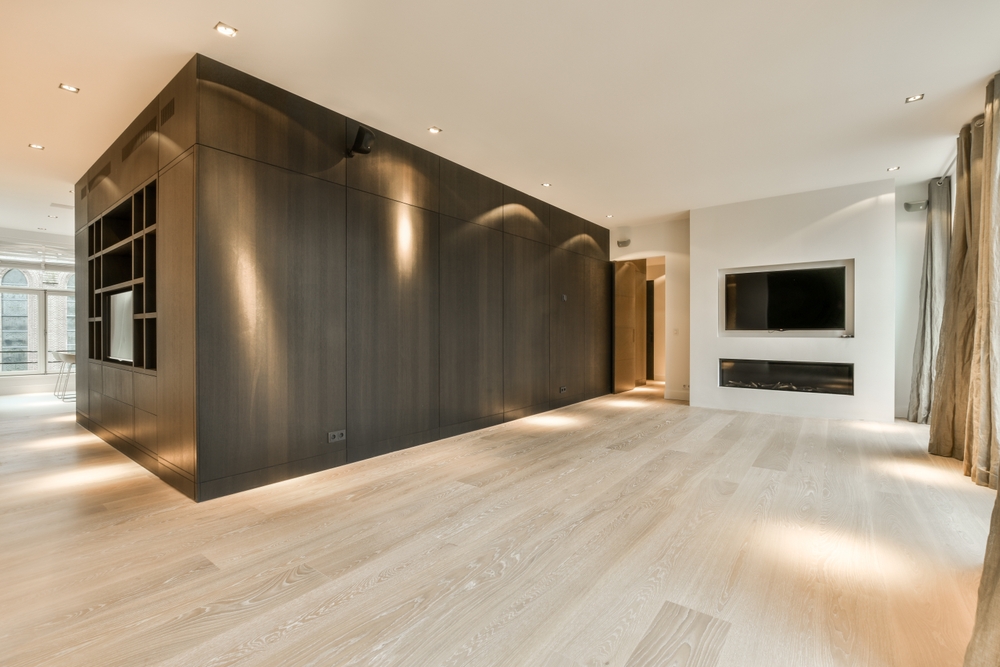
Lighting transforms how your home feels, functions, and looks. For decades, traditional recessed lighting relied on incandescent and halogen bulbs to brighten up dark hallways, kitchens, and living rooms. However, the lighting industry has undergone a massive technological shift. Today, light-emitting diode (LED) technology dominates the market, offering a superior alternative to older lighting methods.
If you plan to upgrade your home’s illumination, understanding the fundamental differences between these technologies is crucial. Choosing the right fixtures impacts your daily comfort, your monthly utility bills, and the overall safety of your electrical system. This comprehensive guide compares LED technology with traditional incandescent and halogen bulbs.
We will explore the massive differences in energy efficiency, heat output, lifespan, and overall light quality. Furthermore, we will break down why these differences matter specifically for Sacramento homeowners dealing with intense summer heat. By the end of this post, you will know exactly why modernizing your lighting is a smart investment and why professional installation remains essential.
Understanding the Basics of Recessed Lighting
Before diving into the complex comparisons, you must understand how these different light sources actually work. Recessed lighting, often called can lighting or downlighting, sits flush with your ceiling. The fixture hides the electrical housing above the drywall, leaving only a decorative trim and the light source visible. The type of light source you put inside that housing dictates the performance of the entire system.
What Are Traditional Incandescent and Halogen Bulbs?
Incandescent bulbs represent the oldest form of electrical lighting. They work by passing an electrical current through a tiny tungsten filament inside a glass bulb. As the electricity flows, the filament encounters resistance and heats up until it glows brightly. While this method produces a familiar, warm light, it remains incredibly inefficient.
Halogen bulbs act as an upgraded version of the standard incandescent bulb. They still use a tungsten filament, but the glass bulb contains a small amount of halogen gas. This gas allows the filament to burn even hotter and brighter than a standard incandescent bulb. For years, builders preferred halogen bulbs for recessed lighting because they offered a crisp, focused beam of light. However, that intense brightness came at a massive cost regarding heat generation and energy waste.
How Does LED Technology Work?
LED lighting completely abandons the concept of heating a filament. Instead, LEDs produce light through a process called electroluminescence. When an electrical current passes through a semiconductor microchip, it illuminates tiny light-emitting diodes.
Because there is no delicate filament to burn up and no heavy glass bulb to contain hazardous gases, LEDs operate entirely differently from traditional lighting. This solid-state technology allows for drastically reduced power consumption, cooler operating temperatures, and an incredible amount of control over the color and quality of the light produced. The shift from heating a metal wire to illuminating a microchip changes everything about how we light our homes.
Energy Efficiency: The Clear Winner
When comparing LED and traditional recessed lighting, energy efficiency stands out as the most significant difference. Older bulbs require massive amounts of electricity to produce adequate light, while modern LEDs do the same job using a fraction of the power.
Measuring Power Consumption: Watts vs. Lumens
For generations, consumers bought light bulbs based on wattage. People assumed a 60-watt bulb was inherently brighter than a 40-watt bulb. However, watts do not actually measure brightness. Watts measure how much electrical energy a bulb consumes. Lumens measure the actual brightness of the light produced.
A traditional 65-watt incandescent bulb produces about 800 lumens of light. To achieve that same 800-lumen brightness, a modern LED fixture only needs about 9 to 12 watts of electricity. This means an LED recessed light uses roughly 80% to 85% less energy than an incandescent bulb to produce the exact same amount of illumination.
Financial Savings Over Time
This drastic reduction in energy consumption directly impacts your monthly utility bill. Recessed lighting is rarely installed as a single fixture. Most kitchens, living rooms, and basements feature half a dozen or more downlights connected to a single switch.
If you have ten 65-watt halogen bulbs running in your kitchen for five hours a day, you are burning a significant amount of electricity. Swapping those ten power-hungry bulbs for highly efficient 10-watt LED fixtures immediately slashes the electrical load of that room by more than 80%. When you multiply those savings across your entire home over the course of a year, the financial benefits of LED technology become impossible to ignore. The money you save on electricity often pays for the cost of the initial upgrade.
Heat Output and Sacramento Summers
Energy efficiency goes beyond simply looking at the power draw of the light bulb itself. You must also consider the secondary effects of your lighting choices. In a climate like Sacramento, where summer temperatures frequently soar into the triple digits, managing indoor heat becomes a top priority. Your choice of recessed lighting plays a surprising role in your home’s thermal comfort.
The Hidden Cost of Halogen Heat
Incandescent and halogen bulbs are essentially small space heaters that happen to produce a little bit of light. An incandescent bulb converts roughly 90% of the energy it consumes directly into heat, leaving only 10% for actual illumination. Halogen bulbs run even hotter, easily reaching temperatures capable of causing severe burns if touched.
When you install dozens of halogen recessed lights into your ceiling, you actively pump heat into your living space. If you turn on the kitchen lights to cook dinner on a sweltering July evening, those fixtures radiate intense heat directly onto your head and shoulders. This makes the room incredibly uncomfortable and forces your air conditioning system to work much harder.
How LED Lighting Reduces Your Cooling Costs
LED technology solves the heat problem entirely. Because LEDs use a semiconductor process to generate light, they produce almost zero forward heat. The fixture remains cool to the touch even after running continuously for several hours.
By eliminating this massive source of indoor heat, LED recessed lighting drastically reduces the strain on your home’s HVAC system. Your air conditioner does not have to battle against your light fixtures to keep the house cool. This synergy provides a dual financial benefit: you save money directly on the lighting electricity, and you save money indirectly by lowering your summer cooling costs. For Sacramento homeowners, this heat reduction is one of the most compelling reasons to ditch traditional bulbs.
Lifespan and Maintenance Requirements
Homeowners want lighting that they can install and forget about. Constantly dragging a ladder out of the garage to change burnt-out ceiling bulbs is frustrating, time-consuming, and potentially dangerous. The lifespan disparity between traditional bulbs and LED fixtures is staggering.
The Endless Cycle of Replacing Traditional Bulbs
The fragile tungsten filament inside traditional bulbs degrades every time you flip the light switch. A standard incandescent bulb typically lasts for about 1,000 to 2,000 hours of use. Halogen bulbs perform slightly better, usually burning out after 2,000 to 4,000 hours.
If you use your living room recessed lights for four hours every evening, you will likely need to replace traditional bulbs every single year. This constant replacement cycle adds a hidden ongoing cost to your lighting setup. You continually spend money on new bulbs, and you waste valuable time constantly maintaining your fixtures.
The Decades-Long Reliability of LED Fixtures
LED lighting completely rewrites the expectations for hardware longevity. Because LEDs lack delicate filaments and fragile glass enclosures, they offer incredible durability. A high-quality LED recessed lighting fixture boasts an average lifespan of 35,000 to 50,000 hours.
Under normal household usage, a 50,000-hour LED fixture will easily last for 15 to 20 years before requiring a replacement. Furthermore, LEDs do not suddenly burn out and leave you in the dark. Instead, they experience “lumen depreciation,” meaning they simply grow slightly dimmer over the course of two decades. Upgrading to LED means you can put away the stepladder and enjoy perfectly illuminated rooms without the hassle of constant maintenance.
Light Quality and Ambiance
Efficiency and longevity are excellent practical benefits, but lighting is also an art form. The light in your home sets the mood, highlights your interior design, and affects your daily energy levels. Early versions of LED bulbs suffered from a reputation for producing harsh, bluish light. Today, modern LED technology offers superior light quality that easily outshines older halogen and incandescent models.
Color Temperature (Kelvins) Explained
Light color is measured on the Kelvin (K) scale. Lower numbers indicate warmer, yellower light, while higher numbers indicate cooler, bluer light. Traditional incandescent bulbs naturally sit around 2700K, producing a warm, cozy glow. Halogen bulbs typically sit around 3000K, offering a slightly crisper, whiter light. You could not change these temperatures without buying entirely different, specially coated bulbs.
Modern LED recessed lighting offers unmatched flexibility regarding color temperature. Many premium LED fixtures feature selectable color switches located directly on the junction box. During installation, you can manually select the perfect color temperature for that specific room. You can choose a warm 2700K for a relaxing bedroom, a neutral 3500K for a home office, or a crisp 5000K daylight setting to brightly illuminate a kitchen workspace.
Color Rendering Index (CRI)
The Color Rendering Index (CRI) measures how accurately a light source reveals the true colors of objects compared to natural sunlight. A higher CRI score means colors look more vibrant and natural. A low CRI score makes everything look washed out, gray, or sickly.
High-quality LED recessed lights now feature CRI scores of 90 or higher. This high rating means your wood floors look richer, your food looks more appetizing, and your skin tones look natural in the bathroom mirror. LEDs provide stunning visual clarity that enhances your home’s interior design far better than the yellow, muddy light often produced by aging incandescent bulbs.
Dimming Capabilities and Flexibility
Creating the perfect ambiance requires dimming. You want bright light for cleaning and cooking, but soft light for entertaining or watching television. While traditional bulbs dim quite easily, they suffer from a major flaw: as you dim an incandescent bulb, the light turns increasingly orange and muddy.
Modern LED fixtures pair beautifully with compatible electronic dimmer switches. They provide smooth, flicker-free dimming all the way down to 5% brightness. Furthermore, many advanced LED fixtures maintain their crisp color temperature even when heavily dimmed. This allows you to create a sophisticated, layered lighting design that adapts instantly to your needs.
Aesthetic and Design Advantages of Modern LEDs
The physical design of recessed lighting has evolved just as rapidly as the bulbs themselves. Traditional recessed lighting required large, cylindrical metal housings—often called “cans”—to be installed securely into the ceiling joists. These cans were necessary to dissipate the intense heat generated by halogen and incandescent bulbs.
Wafer-Thin Canless Designs
Because LED lights generate virtually no heat, they do not require massive metal housings for safety. This led to the invention of the “canless” LED wafer light. These modern fixtures are incredibly thin, often measuring less than an inch in depth.
Instead of requiring a large, dedicated space between your ceiling joists, these wafer lights clip directly onto the drywall. The small electrical junction box sits loosely in the ceiling cavity. This low-profile design provides a remarkably clean, flush appearance that blends seamlessly into your modern home architecture.
Preserving Ceiling Space and Architecture
The ultra-thin nature of LED recessed lights solves major installation headaches. In older Sacramento homes, ceiling spaces are often shallow or packed with plumbing pipes, HVAC ductwork, and structural framing. Installing traditional lighting cans in these crowded ceilings is frequently impossible without major structural modifications.
Canless LED fixtures slide easily under joists and around obstacles. This allows your electrician to place the lights exactly where you need them for optimal illumination, rather than compromising the layout based on where a bulky metal can will fit. You achieve perfect symmetry and superior task lighting without tearing apart your home’s infrastructure.
Safety, Code Compliance, and Upgrading Your Electrical System
Any time you modify your home’s electrical system, safety must remain the absolute highest priority. Lighting upgrades require careful planning, strict adherence to building codes, and a thorough understanding of your property’s electrical capacity.
IC Ratings and Insulation Safety
One of the greatest fire hazards associated with traditional recessed lighting involves attic insulation. Halogen and incandescent bulbs generate so much heat that they can easily ignite fiberglass or blown-in cellulose insulation if it touches the metal housing.
To prevent fires, traditional fixtures required special “Insulation Contact” (IC) ratings. Non-IC fixtures needed a mandatory gap of several inches between the metal can and any surrounding insulation. This gap created a massive breach in the home’s thermal envelope, allowing expensive conditioned air to escape directly into the attic.
Virtually all modern LED recessed lights are inherently IC-rated. Because they run so cool, they can safely make direct contact with your attic insulation. This allows you to maintain a tight, highly efficient thermal boundary in your ceiling, further reducing your heating and cooling costs while completely eliminating a serious fire hazard.
Assessing Your Current Electrical Panel
Before adding new lights to your home, you must evaluate your power supply. While LED lights consume very little electricity, running new wiring and adding multiple fixtures still changes the demand on your home’s electrical infrastructure.
Older homes in Sacramento frequently operate on outdated electrical panels that lack the capacity for modern demands. If your home still utilizes an old 100-amp service, or if you regularly experience flickering lights and tripping breakers, you cannot safely add new loads to the system. To ensure your new lighting operates safely and reliably, you may need to invest in a professional electrical panel upgrade. Upgrading your panel protects your home from electrical fires and ensures a steady, clean flow of power to your sensitive modern electronics.
If your main panel has sufficient total power but the specific circuit you want to use is overloaded, your electrician might recommend a targeted circuit breaker replacement. This ensures the breaker perfectly matches the wire gauge and the electrical load of your new lighting layout.
When Do You Need an Electrical Inspection?
If you live in an older property, you should never begin a major renovation without knowing the exact condition of your wiring. Older wiring methods, such as knob-and-tube or ungrounded cloth wiring, pose severe safety risks. Connecting modern, high-efficiency LED lighting to crumbling, obsolete wiring violates building codes and creates a serious fire hazard.
Before you finalize your lighting design, schedule a comprehensive electrical inspection in Sacramento. A licensed electrician will evaluate your entire system, identify any hidden hazards, and ensure your home can safely support a new recessed lighting installation.
The Importance of Professional Installation
Home improvement stores often market recessed lighting as an easy weekend project. Do-it-yourself tutorials make cutting holes in drywall and splicing wires look incredibly simple. However, electrical work carries extreme inherent risks that should never be underestimated.
Avoiding DIY Hazards
Electricity does not forgive mistakes. A single loose wire nut, an improperly grounded circuit, or a pinched cable behind the drywall can lead to devastating consequences. You risk severe electrical shock during the installation, and you risk a smoldering electrical fire months or even years down the road.
Furthermore, cutting into your ceiling blindly can cause massive property damage. A DIYer using a hole saw can easily cut through a hidden plumbing line or sever a critical structural joist. What starts as a simple lighting upgrade quickly turns into a flooding disaster or a major structural repair.
Navigating Local Sacramento Building Codes
Professional electricians spend years mastering their trade and studying complex local building codes. In Sacramento, significant electrical modifications require proper permitting and inspections. If you install lighting without the necessary permits, you violate local laws. This unpermitted work can void your homeowner’s insurance policy and severely complicate the process of selling your home in the future.
By trusting a licensed contractor for your recessed lighting installation, you guarantee the job meets all legal and safety requirements. Professionals know how to correctly calculate electrical loads, select the proper wire gauges, and install specialized dimmer switches that work perfectly with modern LED drivers. They fish wires cleanly through your walls with minimal disruption to your drywall, saving you massive amounts of time and frustration.
Conclusion: Making the Smart Switch to LED
The debate between LED and traditional recessed lighting is definitively settled. Incandescent and halogen bulbs represent an obsolete technology that actively wastes your money, heats up your home, and requires constant, frustrating maintenance.
LED recessed lighting offers an elegant, highly efficient solution for the modern homeowner. By making the switch, you gain total control over the mood and aesthetic of your interior spaces. You benefit from incredibly long-lasting fixtures that provide stunning visual clarity. Most importantly for Sacramento residents, you drastically reduce your energy consumption and lower your cooling costs during the punishing summer months.
Upgrading your home’s lighting is a powerful investment in your daily comfort and your property’s overall value. However, this transformation requires technical expertise and a strict commitment to electrical safety. Do not leave your home’s infrastructure to chance.
Whether you need a full home rewire, a simple lighting upgrade, or routine troubleshooting, rely on trusted local experts to get the job done right. Explore our full range of comprehensive services today. Reach out to TNT Electric to discuss your specific lighting goals, evaluate your current electrical system, and begin planning a beautiful, safe, and energy-efficient lighting layout for your Sacramento home.
Our Services at a Glance
At TNT Electric, we are a licensed electrical company based in Citrus Heights, CA, proudly serving the Sacramento area with dependable, professional service.
View Services

