

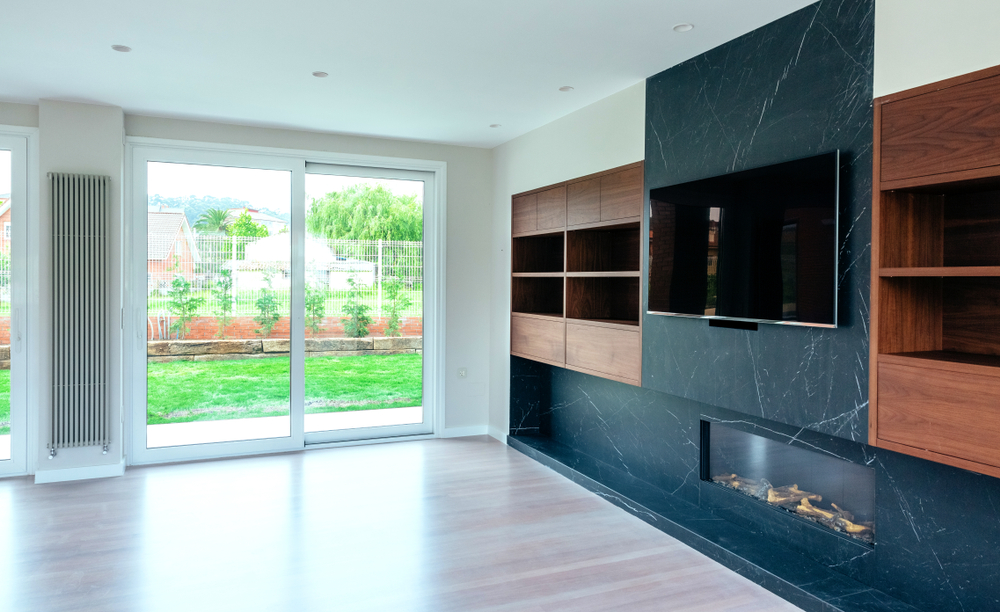
Your living room serves as the central hub of your home. It is where you entertain guests, unwind after a long day, enjoy movie nights with the family, and perhaps even catch up on some evening reading. Because this space serves so many different functions, a single central light fixture simply cannot meet all your needs. To truly elevate your Sacramento home, you need a dynamic, adaptable lighting strategy.
Recessed lighting provides the perfect foundation for a beautifully illuminated living room. When designed and installed correctly, these sleek fixtures vanish into the ceiling, offering clean, unobstructed sightlines while bathing your room in warm, inviting light. However, achieving that high-end, magazine-worthy look requires more than just poking holes in the drywall in a grid pattern. It requires a thoughtful approach to interior design and electrical engineering.
This comprehensive guide will walk you through the professional principles of living room lighting design. We will explore the art of layering light, mathematical formulas for perfect fixture spacing, the science of color temperatures, and the underlying electrical requirements necessary to bring your vision to life safely and effectively.
The Core Principles of Living Room Lighting Design
Professional lighting designers approach a room not just by looking at the ceiling, but by examining how the space is used. The goal is to create an environment that feels welcoming and functions flawlessly at any time of day or night.
Understanding the Purpose of Your Space
Before you select a single fixture, you must define how you use your living room. A formal sitting room used primarily for hosting holiday guests requires a very different lighting layout than a casual family room centered around a large television. Take note of where the furniture will sit, where the primary walkways are, and where you want to draw the eye. Highlighting a beautiful stone fireplace or a piece of custom artwork requires specific, targeted lighting strategies.
The Importance of Layering Light
The secret to a beautifully lit room is layering. Instead of relying on one powerful light source to flood the room, professionals use multiple layers of light that work together to create depth, dimension, and mood.
1. Ambient Lighting: This is the base layer of light. It provides overall illumination, allowing you to walk through the room safely and comfortably. Recessed lighting is the premier choice for ambient light because it casts a wide, even glow across the entire floor plan.
2. Task Lighting: This layer provides focused, intense light for specific activities. If you have a reading chair in the corner of your living room, task lighting ensures you can read without straining your eyes. While floor lamps and table lamps often serve this purpose, specialized directional recessed lights (often called gimbal or adjustable trims) can also be angled to provide excellent task lighting without cluttering the floor space.
3. Accent Lighting: Accent lighting is the decorative layer. It is used to highlight architectural features, artwork, or textured walls. By angling a recessed light toward a beautiful brick fireplace in your East Sacramento Craftsman home, you create visual interest and draw attention to the room’s best features.
When you combine ambient, task, and accent lighting on separate, dimmable circuits, you gain ultimate control over the atmosphere of your living room.
Strategic Spacing and Layout Rules
One of the most common mistakes homeowners make is placing recessed lights in a rigid, unimaginative grid. This often results in the dreaded “runway” look, where the ceiling resembles an airport landing strip. Proper spacing requires a balance of mathematical guidelines and artistic intuition.
The Ceiling Height Formula
A standard rule of thumb for spacing recessed lights is to divide your ceiling height in half. If your Sacramento home has standard eight-foot ceilings, your recessed lights should be spaced approximately four feet apart. If you have a sprawling mid-century modern home in Land Park with ten-foot vaulted ceilings, you should space the fixtures about five feet apart.
This formula ensures the “cones of light” emitted by each fixture overlap perfectly at the floor level. If the lights are placed too far apart, you will experience dark, shadowy spots in the room. If they are placed too close together, the room will feel uncomfortably bright, and you will waste energy.
Positioning Lights Near Walls
Placing recessed lights too close to the wall creates harsh, unflattering scalloped shadows. To avoid this, you should typically place your ambient recessed lights about three feet away from the wall. This distance allows the light to spread out smoothly before it hits the vertical surface, creating a soft, even wash of light.
Wall Washing and Grazing Techniques
If you specifically want to highlight a wall, you can use specialized recessed trims designed for “wall washing” or “wall grazing.”
Wall washing involves placing fixtures about two to three feet from the wall and spacing them evenly to bathe the entire surface in a smooth, flat layer of light. This technique is excellent for making a small living room feel larger and more expansive.
Wall grazing involves placing the fixtures much closer to the wall (usually six to twelve inches away). This steep angle highlights the texture of the surface, casting small shadows that make brick, stone, or textured plaster pop dramatically.
Choosing the Perfect Color Temperature
The physical layout of your recessed lights is only half the battle. You must also select the right type of light bulb. In the world of LED lighting, this means understanding color temperature.
What is Kelvin?
Color temperature is measured in degrees Kelvin (K). It describes the visual appearance of the light emitted by a bulb. Lower Kelvin numbers indicate a “warmer” light that appears more yellow or amber. Higher Kelvin numbers indicate a “cooler” light that appears more blue or white.
Warm White vs. Cool White in Sacramento Homes
For a living room, you generally want to create a cozy, relaxing atmosphere. Therefore, lighting professionals almost exclusively recommend warm white light for these spaces.
- 2700K (Extra Warm White): This matches the classic glow of a traditional incandescent bulb. It is incredibly cozy, intimate, and perfect for evening relaxation. It makes wood tones and warm paint colors look rich and inviting.
- 3000K (Warm White): This is slightly crisper and whiter than 2700K. It is an excellent all-purpose choice for modern living rooms. It feels clean and bright without feeling sterile or clinical.
You should strictly avoid anything above 3500K (such as 4000K or 5000K “Daylight” bulbs) in a living room. These cool, blue-toned lights suppress melatonin production and can make your living room feel like a commercial office building or a grocery store.
Dim-to-Warm and Tunable LED Technology
If you use your living room for both daytime working and nighttime relaxing, you might want the best of both worlds. High-end LED fixtures now offer “dim-to-warm” technology. At full brightness, these lights sit at a crisp 3000K. As you dim them, the color temperature automatically shifts down to a cozy 2200K, mimicking the natural sunset and the warm glow of candlelight.
Addressing Electrical Requirements in Sacramento
Designing a beautiful lighting layout is exciting, but executing that design requires a solid, safe electrical foundation. Sacramento homeowners must ensure their home’s infrastructure can handle the new installations, especially in older neighborhoods.
Evaluating Your Current Electrical Panel
Before adding multiple new circuits for layered lighting, you must ensure your main electrical panel has the capacity to support them. If your panel is full, outdated, or showing signs of wear, it cannot safely distribute power to your new fixtures. Upgrading an aging system is a critical first step. Investing in a professionalelectrical panel upgrade ensures your home has a safe, modern foundation that can easily handle your new living room lighting and any future technological additions.
Dealing with Old Wiring in Historic Homes
Sacramento is home to beautifully historic neighborhoods with stunning architecture. However, many of these homes hide dangerous, outdated wiring behind their plaster walls. If your home still relies on knob-and-tube wiring or deteriorating cloth-insulated cables, adding new modern lighting fixtures poses a significant fire risk. To protect your property and ensure your new lighting functions flawlessly, you may need to consider comprehensive whole house rewiring. This process completely modernizes your electrical system, bringing it up to current safety codes.
When to Schedule an Inspection
If you are unsure about the state of your wiring, or if you are planning a major living room remodel, it is always best to consult with an expert before purchasing any fixtures. Scheduling a thorough electrical inspection in Sacramento provides you with a clear, professional assessment of your home’s electrical health. An inspector will identify any hidden hazards, check for grounding issues, and ensure your system meets strict California Title 24 energy codes.
Solving Flickering and Dimming Issues
Sometimes homeowners install beautiful new LED recessed lights only to find that they flicker incessantly or hum loudly when paired with a dimmer switch. This is a common issue caused by incompatible hardware, overloaded circuits, or loose neutral wires. If you experience these frustrating symptoms, do not ignore them. Professional electrical troubleshooting in Sacramento can quickly identify the root cause of the problem. Expert electricians can swap out incompatible dimmers, balance the circuit loads, and ensure your lighting operates silently and smoothly.
Hiring the Right Sacramento Professional
A flawless living room lighting design requires meticulous planning, an eye for aesthetics, and uncompromising electrical safety. While there are many DIY projects you can tackle around the house, manipulating your home’s electrical wiring should not be one of them.
The Value of Expert Installation
Cutting precise holes in your ceiling, routing wires through hidden structural cavities, and calculating exact electrical loads require specialized tools and years of experience. A single mistake can result in uneven lighting, tripped breakers, or severe fire hazards.
By partnering with a licensed, experienced electrician, you guarantee that your design vision is executed perfectly. Professionals understand how to navigate challenging ceiling structures, respect the architectural integrity of your home, and ensure every connection is rock-solid. For a truly high-end result that enhances the beauty and value of your property, professional recessed lighting installation is the only choice.
Elevate Your Living Room Today
Recessed lighting is a powerful design tool that can completely transform the look and feel of your Sacramento living room. By carefully layering your light sources, strategically spacing your fixtures, and selecting the perfect warm color temperatures, you can create a space that is both highly functional and breathtakingly beautiful.
Remember that stunning lighting design relies entirely on a safe, robust electrical system. Never compromise on the underlying infrastructure of your home. If you are ready to elevate your living space with a professional, custom-designed lighting layout, contact the experts at TNT Electric. We combine technical electrical mastery with a deep understanding of modern interior design to bring your vision to life safely, efficiently, and brilliantly.
